
Clearing Nut
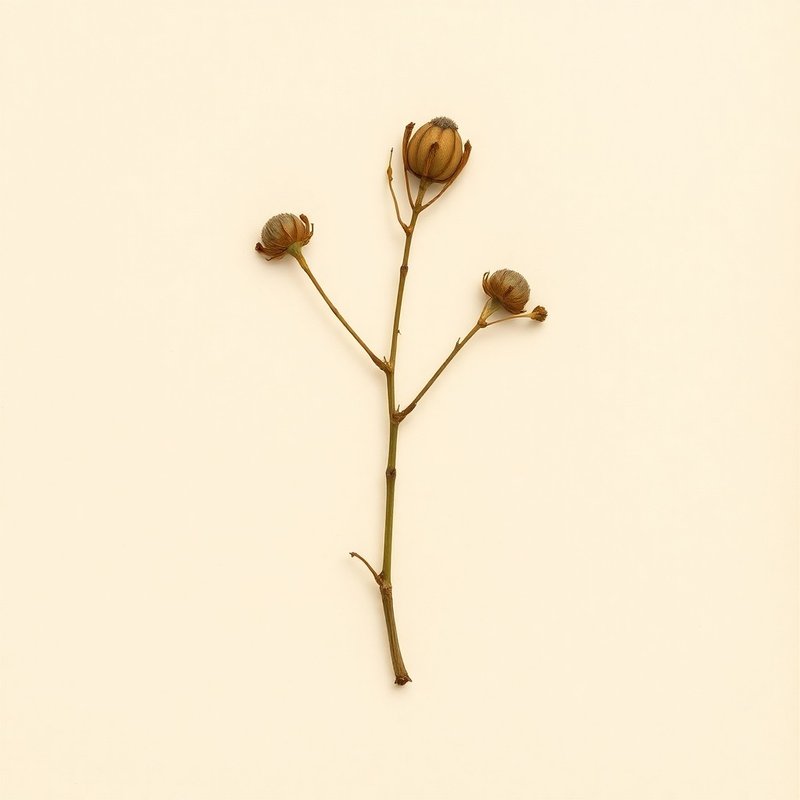
IOverview
Overview
Clearing Nut, scientifically known as Strychnos potatorum, is a tree native to regions including Botswana, Burundi, Caprivi Strip, India, Madagascar, Malawi, Mozambique, Myanmar, Northern Provinces, Rwanda, Sri Lanka, Tanzania, Zambia, Zaïre, and Zimbabwe. This tree thrives in partial sun or full shade environments, tolerating both dry and moist conditions, and prefers light (sandy), medium, or heavy (clay) soil types. It can grow up to 12 meters tall and is known for its edible fruit, which can be enjoyed once ripe. The Clearing Nut tree is notable for its adaptability and presence in a wide range of habitats across several continents, making it a valuable resource in various growing contexts. While primarily used for its fruit, the Clearing Nut also has utility in filtering and lumber applications. However, caution is advised when handling this plant, as it belongs to a family that includes toxic species.
What is Clearing Nut?
Clearing Nut, scientifically known as Strychnos potatorum, is a tree native to regions including Botswana, Burundi, Caprivi Strip, India, Madagascar, Malawi, Mozambique, Myanmar, Northern Provinces, Rwanda, Sri Lanka, Tanzania, Zambia, Zaïre, and Zimbabwe.
VCultivation
Cultivation
How to grow Clearing Nut for the first time
Start with Clearing Nut as a simple, low-maintenance plant for beginners.
- 1
What you'll need
Seeds or seedlings, potting mix, containers or garden space.
- 2
Best time to plant
Plant in spring when temperatures are mild and stable.
- 3
Soil and container prep
Use a well-draining soil mix. Ensure pots have drainage holes if planting in containers.
- 4
Sowing or transplanting
Start seeds indoors 6-8 weeks before the last frost, then transplant outdoors after danger of frost passes.
- 5
First two weeks
Keep soil moist but not waterlogged. Place in a partially shaded area to avoid direct sunlight.
- 6
Ongoing care
Water when soil feels dry to the touch, especially during dry periods. Provide partial shade and regular watering.
- 7
Harvest or pruning
Prune lightly to maintain shape and remove dead branches. Harvest fruit when ripe for use in culinary applications.
- 8
Common mistakes
Overwatering, planting in full sun, neglecting to prune, not harvesting fruits properly.
VIEdible & utility
Edible & utility
VIIDistribution
15 native · 0 introduced
Distribution
15 native · 0 introducedIXSpecimen gallery
1 image
Specimen gallery
1 imageExplore further
About this entry
- Last updated
- Citation
- How to cite this entry · Submit a correction
Continue reading
Get archive updates
Occasional email when substantial new content lands — plant profiles, seasonal growing notes, folk-remedy additions. Free, no tracking, unsubscribe anytime.