
Suaeda corniculata
Suaeda corniculata
Educational content — not medical, botanical, or professional advice. Plant identification, safety, and edibility depend on local conditions, cultivars, and correct identification. Consult a qualified botanist or forager before consuming or handling wild specimens. How we source & review →
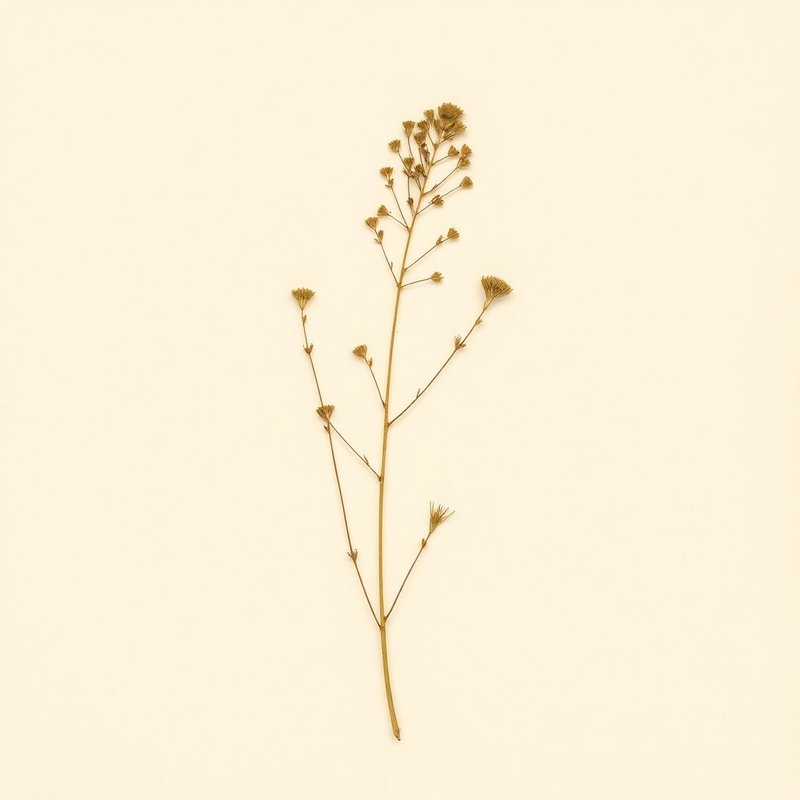
Pl. 277E — Suaeda corniculata
Suaeda corniculataSuaeda corniculataSuaeda corniculataSuaeda corniculataSuaeda corniculataSuaeda corniculataSuaeda corniculataSuaeda corniculataSuaeda corniculataSuaeda corniculataSuaeda corniculataSuaeda corniculataSuaeda corniculataSuaeda corniculata
IOverview
Overview
Suaeda corniculata, commonly known as Suaeda, is an annual plant native to regions including Altay, Buryatiya, China North-Central, Chita, East European Russia, Inner Mongolia, Irkutsk, Kazakhstan, and other parts of Central Asia. This plant thrives in full sun with moist soil that can be light (sandy), medium, or heavy (clay). Standing at a height of 0.5 meters, Suaeda is known for its edible seeds, making it a valuable resource in areas where it grows. Its adaptability to various soil types and its presence across a wide range of habitats contribute to its significance as both an ornamental and a food source.
Quick answers
What is Suaeda corniculata?
Suaeda corniculata, commonly known as Suaeda, is an annual plant native to regions including Altay, Buryatiya, China North-Central, Chita, East European Russia, Inner Mongolia, Irkutsk, Kazakhstan, and other parts of Central Asia.
Growingconditions · propagation · uses
VCultivation
Cultivation
Suaeda corniculata thrives in full sun and requires moist soil that can be light (sandy), medium, or heavy (clay). This annual plant grows to about 0.5 meters tall and is native to regions such as Altay, Buryatiya, China North-Central, Chita, East European Russia, Inner Mongolia, Irkutsk, Kazakhstan, among others. For propagation, seeds can be used. Since the plant's hardiness isn't specified, it is advisable to ensure it grows in temperate regions or similar conditions.
Light
Full sun
Water
Moist
Soil
Light (sandy), Medium, Heavy (clay)
Life cycle
Annual
Mature size
0.5 m tall
For first-time growers
How to grow Suaeda corniculata for the first time
8steps
Start with Suaeda corniculata as an easy-to-grow annual plant for beginners.
- 1
What you'll need
Seeds, a container or garden bed, and some basic gardening tools like a trowel.
- 2
Best time to plant
Plant Suaeda corniculata in spring after the last frost.
- 3
Soil and container prep
Use well-draining soil with a mix of light, medium, or heavy textures. Ensure containers have drainage holes.
- 4
Sowing or transplanting
Direct sow seeds 0.5 meters apart in the garden bed or start them indoors and transplant when they are large enough to handle.
- 5
First two weeks
Water regularly, keeping the soil moist but not waterlogged. Place in a sunny location.
- 6
Ongoing care
Continue regular watering as needed, especially during dry spells. Monitor for pests and diseases.
- 7
Harvest or pruning
Prune back any dead or overgrown parts to encourage new growth throughout the season.
- 8
Common mistakes
Overwatering, planting in heavy clay soil without drainage, neglecting regular watering during dry periods, and not providing enough sunlight.
VIEdible & utility
Edible & utility
Edible parts:Seed
Edible uses: The seeds of Suaeda corniculata are edible and can be harvested for consumption. They are typically dried before being ground into flour or used in various culinary applications. The plant thrives in full sun and a variety of soil types, making it adaptable to different growing conditions.
Contextrange · companions · related
VIIDistribution
19 native · 0 introduced
Distribution
19 native · 0 introducedDistribution across2 continents· 19 native
Europe2 regions
native (2)RussiaUkraine
Asia3 regions
native (3)ChinaKazakhstanMongolia
Broader regions
native:Altay, Buryatiya, Chita, Irkutsk, Kirgizstan, Krasnoyarsk, Tuva, Yakutskiya
IXSpecimen gallery
1 image
Specimen gallery
1 imageXI
Explore further
Companion planting
XII
About this entry
- Last updated
- Citation
- How to cite this entry · Submit a correction
Back to the cataloguePlant id · 277e7b0d-1bb6-4674-b71f-3699577094af
Decision aid
Choosing between Suaeda corniculata and something else?
Continue reading
❦❦❦❦
Endpaper · archive updates
Get archive updates
Occasional email when substantial new content lands — plant profiles, seasonal growing notes, folk-remedy additions. Free, no tracking, unsubscribe anytime.