
Shrubby Seablite
Suaeda fruticosa
Educational content — not medical, botanical, or professional advice. Plant identification, safety, and edibility depend on local conditions, cultivars, and correct identification. Consult a qualified botanist or forager before consuming or handling wild specimens. How we source & review →
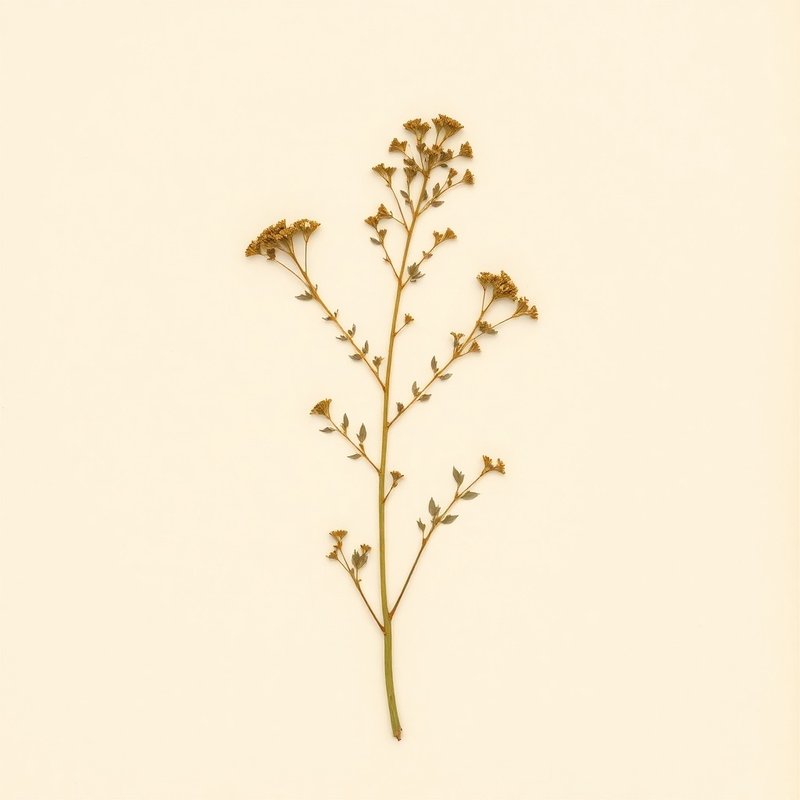
Pl. FA22 — Suaeda fruticosa
Suaeda fruticosaSuaeda fruticosaSuaeda fruticosaSuaeda fruticosaSuaeda fruticosaSuaeda fruticosaSuaeda fruticosaSuaeda fruticosaSuaeda fruticosaSuaeda fruticosaSuaeda fruticosaSuaeda fruticosaSuaeda fruticosaSuaeda fruticosa
IOverview
Overview
Shrubby Seablite, known botanically as Suaeda fruticosa, is a shrub native to regions including Afghanistan, Egypt, India, Iran, Iraq, Pakistan, Palestine, Saudi Arabia, and Yemen. This plant thrives in moist, light (sandy) to medium soil with a pH of 7.5–8, making it adaptable to various environments within its native range. The shrub is valued for its edible leaves and seeds, which can be consumed as part of the local diet. One distinctive feature of Shrubby Seablite is its ability to grow up to 1 meter in height, contributing to its presence in diverse landscapes across its habitat.
Quick answers
What is Shrubby Seablite?
Shrubby Seablite, known botanically as Suaeda fruticosa, is a shrub native to regions including Afghanistan, Egypt, India, Iran, Iraq, Pakistan, Palestine, Saudi Arabia, and Yemen. This plant thrives in moist, light (sandy) to medium soil with a pH of 7.
Growingconditions · propagation · uses
VCultivation
Cultivation
Shrubby Seablite thrives in light to moderately moist conditions and prefers well-draining soils that are slightly alkaline (pH 7.5-8). It is hardy in temperate regions but can tolerate various climates found in its native range. This plant requires full sun, with a light tolerance of 8/10 indicating it can handle some shade. For cultivation, use light to medium soil types and ensure proper drainage to avoid waterlogging. Harvest leaves and seeds for edible purposes.
Light
8/10
Water
Moist
Soil
Light (sandy), Medium
Mature size
1.0 m tall
Soil pH
7.5–8
For first-time growers
How to grow Shrubby Seablite for the first time
8steps
Start with Shrubby Seablite as a simple, low-maintenance plant for beginners.
- 1
What you'll need
Seeds or small plants, potting soil, containers, and water.
- 2
Best time to plant
Plant Shrubby Seablite in spring when the weather starts warming up.
- 3
Soil and container prep
Use a light, well-draining soil mix. Containers should be at least 15 cm deep.
- 4
Sowing or transplanting
Direct sow seeds outdoors after all danger of frost has passed, or start them indoors 4 weeks before planting.
- 5
First two weeks
Water regularly to keep the soil moist until plants are established. Protect from strong winds.
- 6
Ongoing care
Water when the top inch of soil is dry. Provide full sun and regular pruning for shape.
- 7
Harvest or pruning
Prune shrubs to maintain size and shape, removing dead or damaged branches as needed.
- 8
Common mistakes
Overwatering, planting in heavy soil, not providing enough sunlight, neglecting pruning, and using the wrong container size.
VIEdible & utility
Edible & utility
Edible parts:LeavesSeed
Edible uses: Shrubby Seablite is edible and its leaves and seeds can be consumed. The leaves are typically eaten fresh or cooked, while the seeds may be used in various preparations such as grinding into flour for baking. Skip the detailed cooking instructions here; focus on these basic uses instead.
Other uses:Potash
Contextrange · companions · related
VIIDistribution
30 native · 0 introduced
Distribution
30 native · 0 introducedDistribution across3 continents· 30 native
Europe7 regions
native (7)AlbaniaCyprusFranceGreeceItalyPortugalSpain
Asia7 regions
native (7)IndiaIranIraqPakistanPalestineSaudi ArabiaYemen
Africa6 regions
native (6)AlgeriaCabo VerdeEgyptLibyaMoroccoTunisia
Broader regions
native:Kriti, Selvagens, Sinai, Yugoslavia
IXSpecimen gallery
1 image
Specimen gallery
1 imageXI
Explore further
Companion planting
XII
About this entry
- Last updated
- Citation
- How to cite this entry · Submit a correction
Back to the cataloguePlant id · fa2267f9-7b67-445d-9cb8-c6f75254a9ba
Decision aid
Choosing between Shrubby Seablite and something else?
Continue reading
❦❦❦❦
Endpaper · archive updates
Get archive updates
Occasional email when substantial new content lands — plant profiles, seasonal growing notes, folk-remedy additions. Free, no tracking, unsubscribe anytime.