
Licuri Palm
IOverview
Overview
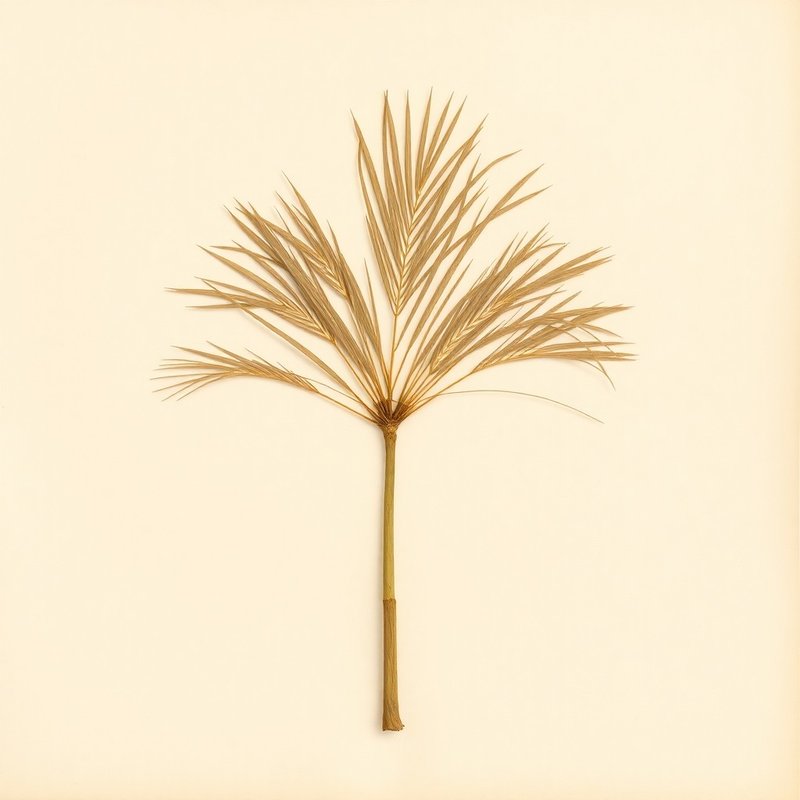
The Licuri Palm, scientifically known as Syagrus coronata, is a member of the Arecaceae family and is native to the northeast and southeast regions of Brazil. This palm can grow up to 10 meters in height and thrives in full sun, adapting to various soil types—light (sandy), medium, and heavy (clay)—and prefers dry to moist conditions. The Licuri Palm is known for its edible parts, including the apical bud, fruit, seed, and stem, making it a valuable resource in its native habitat. Its versatility and adaptability to different growing conditions make it a useful plant for cultivation. While it is not medicinal, the Licuri Palm is an important source of edible oils and other useful products. For cultivation, ensure the soil is well-draining to prevent waterlogging. The palm can be propagated through seeds or by dividing the plant.
What is Licuri Palm?
The Licuri Palm, scientifically known as Syagrus coronata, is a member of the Arecaceae family and is native to the northeast and southeast regions of Brazil.
VCultivation
Cultivation
How to grow Licuri Palm for the first time
Start with a Licuri Palm to add a tropical touch to your garden, focusing on basic care.
- 1
What you'll need
A Licuri Palm sapling and well-draining soil.
- 2
Best time to plant
Plant in spring or early summer for best growth.
- 3
Soil and container prep
Use a mix of light, medium, and heavy soils. Ensure good drainage.
- 4
Sowing or transplanting
Transplant saplings directly into the ground or large containers.
- 5
First two weeks
Water regularly to keep soil moist but not waterlogged.
- 6
Ongoing care
Provide full sun and regular watering, especially in dry periods.
- 7
Harvest or pruning
Prune dead leaves and stems to maintain the palm's health.
- 8
Common mistakes
Overwatering, planting in poor drainage soil, not providing enough sunlight.
VIEdible & utility
Edible & utility
VIIDistribution
2 native · 0 introduced
Distribution
2 native · 0 introducedIXSpecimen gallery
1 image
Specimen gallery
1 imageExplore further
About this entry
- Last updated
- Citation
- How to cite this entry · Submit a correction
Continue reading
Get archive updates
Occasional email when substantial new content lands — plant profiles, seasonal growing notes, folk-remedy additions. Free, no tracking, unsubscribe anytime.