
Sympholoma graveolens
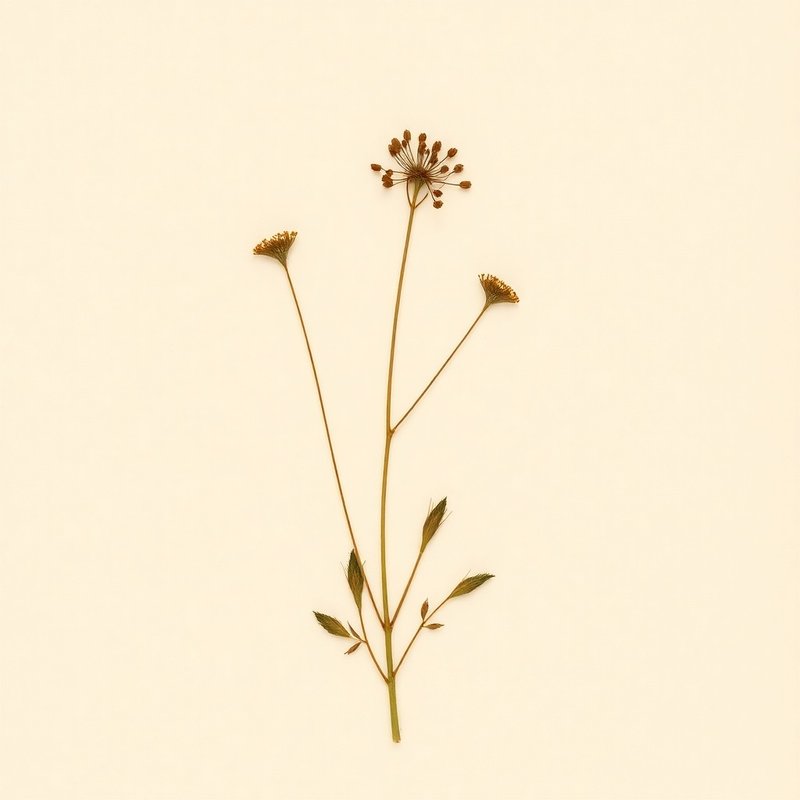
IOverview
Overview
Sympholoma graveolens, commonly known as Sympholoma graveolens, is a perennial plant native to the North Caucasus and Transcaucasus regions. This plant thrives in a variety of soil types, including light (sandy), medium, and heavy (clay) soils, and prefers moist conditions. It can tolerate light conditions ranging from full sun to partial shade, making it adaptable to different garden environments. The plant reaches a height of approximately 20 cm, contributing to its ornamental appeal. Its edible roots can be harvested and used raw or cooked, making it a valuable addition to gardens for foraging or culinary purposes. While primarily known for its edibility, Sympholoma graveolens also adds a touch of greenery to any garden setting. For best results, keep the soil consistently moist and provide the plant with light to partial shade. Propagation can be done through root division in the spring or fall.
What is Sympholoma graveolens?
Sympholoma graveolens, commonly known as Sympholoma graveolens, is a perennial plant native to the North Caucasus and Transcaucasus regions. This plant thrives in a variety of soil types, including light (sandy), medium, and heavy (clay) soils, and prefers moist conditions.
VCultivation
Cultivation
How to grow Sympholoma graveolens for the first time
This guide will help you start growing Sympholoma graveolens with simple steps.
- 1
What you'll need
A small pot, quality soil, and a watering can.
- 2
Best time to plant
Plant in spring or early summer when the weather is mild.
- 3
Soil and container prep
Use well-draining soil with a mix of light, medium, and heavy textures.
- 4
Sowing or transplanting
Direct sow seeds outdoors or start them indoors 4 weeks before the last frost.
- 5
First two weeks
Keep the soil moist but not waterlogged. Provide partial shade to avoid scorching.
- 6
Ongoing care
Water regularly, especially during dry spells. Ensure full sun or partial shade.
- 7
Harvest or pruning
Prune any dead leaves and stems to encourage new growth and maintain plant health.
- 8
Common mistakes
Overwatering, planting in direct sunlight, neglecting soil drainage, not providing enough light, and using too much fertilizer.
VIEdible & utility
Edible & utility
VIIDistribution
2 native · 0 introduced
Distribution
2 native · 0 introducedIXSpecimen gallery
1 image
Specimen gallery
1 imageExplore further
About this entry
- Last updated
- Citation
- How to cite this entry · Submit a correction
Continue reading
Get archive updates
Occasional email when substantial new content lands — plant profiles, seasonal growing notes, folk-remedy additions. Free, no tracking, unsubscribe anytime.