
French tamarisk
Tamarix gallicafam. Cistaceae
Educational content — not medical, botanical, or professional advice. Always consult a qualified clinician before using any herbal preparation — especially during pregnancy, breastfeeding, while on medication, or for children. How we source & review →
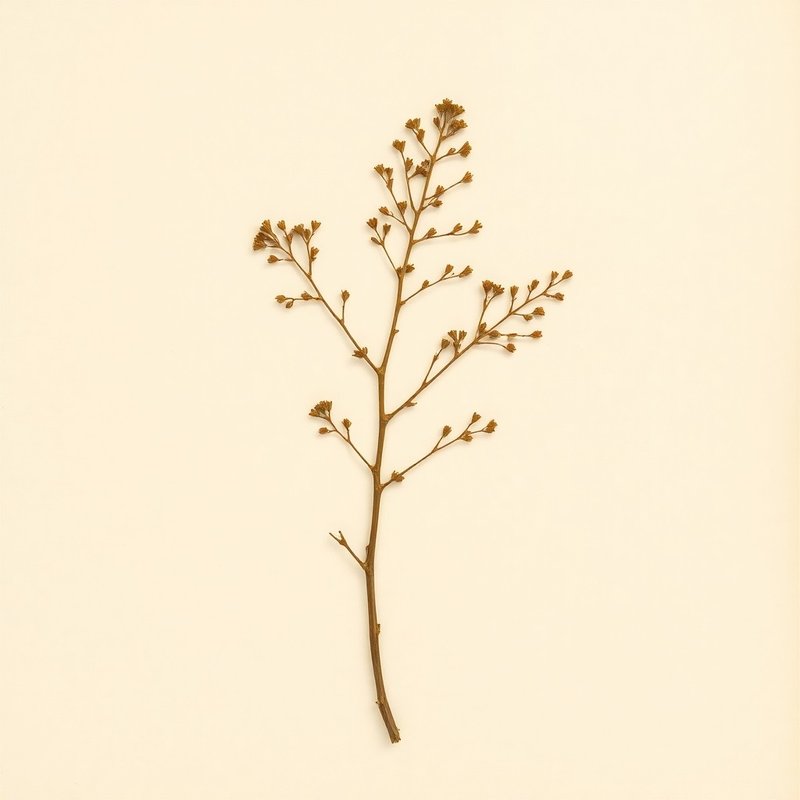
Pl. D4AD — Tamarix gallica
Tamarix gallicaTamarix gallicaTamarix gallicaTamarix gallicaTamarix gallicaTamarix gallicaTamarix gallicaTamarix gallicaTamarix gallicaTamarix gallicaTamarix gallicaTamarix gallicaTamarix gallicaTamarix gallica
IOverview
Overview
French tamarisk (Tamarix gallica) is a shrub or small tree native to the Mediterranean region, including Baleares, Corse, France, Italy, Morocco, Sicilia, and Spain. Known for its ornamental value and medicinal properties, it thrives in light, medium, and heavy soil types with a pH of 7–7.5. This adaptable plant can grow up to 4 meters tall and is characterized by its light, dry to moist nature, making it suitable for gardens and landscapes where it can add a touch of Mediterranean charm. Its edible and medicinal uses are well-documented, adding versatility to its cultivation in various settings.
Quick answers
What is French tamarisk?
French tamarisk (Tamarix gallica) is a shrub or small tree native to the Mediterranean region, including Baleares, Corse, France, Italy, Morocco, Sicilia, and Spain. Known for its ornamental value and medicinal properties, it thrives in light, medium, and heavy soil types with a pH of 7–7.
IV·bMixology suggestions
1 draft
Mixology suggestions
1 draftEditorial drafts. These pairings are AI-suggested from traditional herbal lore. Always verify with a qualified herbalist before brewing.
Resilient Relief
stresstincture
Historically used for calming the mind and reducing stress.
Growingconditions · propagation · uses
VCultivation
Cultivation
French tamarisk thrives in light to medium soils and can tolerate heavy clay as well. It prefers a pH between 7 and 7.5 and requires dry to moist conditions. This plant is hardy in temperate regions from zones 4-8 and does best in full sun, though it can handle partial shade. For propagation, use cuttings or seeds. Water regularly but allow the soil to dry out slightly between waterings.
Light
8/10
Water
Dry, Moist
Soil
Light (sandy), Medium, Heavy (clay)
Hardiness
4-8
Life cycle
Perennial
Habit
Tree, Shrub
Mature size
4.0 m tall
Soil pH
7–7.5
Seasonal calendar
Northern hemisphere · UTC month is September
winterspringsummerautumnwinter
BloomJFMAMJJASOND
For first-time growers
How to grow French tamarisk for the first time
8steps
Start with French tamarisk as a simple, low-maintenance shrub for your garden.
- 1
What you'll need
A young French tamarisk plant and well-draining soil.
- 2
Best time to plant
Plant in spring or fall when the weather is cooler.
- 3
Soil and container prep
Ensure the soil has a pH between 7-7.5, which can be tested with a kit.
- 4
Sowing or transplanting
Transplant young plants directly into the garden bed or a large pot.
- 5
First two weeks
Water regularly to help establish roots and keep soil moist but not waterlogged.
- 6
Ongoing care
Water sparingly, especially once established. Prune in late winter to maintain shape.
- 7
Harvest or pruning
Prune in late winter to remove dead wood and encourage new growth.
- 8
Common mistakes
Overwatering, using heavy soil, not providing enough sunlight, neglecting winter protection.
VIEdible & utility
Edible & utility
Edible uses: Manna
Other uses:DyeFire starterHedgerowErosion controlTanninLumber
Contextrange · companions · related
VIIDistribution
7 native · 23 introduced
Distribution
7 native · 23 introducedDistribution across4 continents· 7 native· 23 introduced
Europe6 regions
native (3)FranceItalySpain
introduced (3)HungaryPortugalUnited Kingdom
Asia3 regions
introduced (3)BangladeshGeorgiaMyanmar
Americas3 regions
introduced (3)Dominican RepublicHaitiPuerto Rico
Africa1 region
native (1)Morocco
Broader regions
introduced:Leeward Is., Louisiana, Mexico Northeast, Mexico Northwest, New Mexico, Oklahoma, South Carolina, Texas, Trinidad-Tobago, Argentina Northeast, Bermuda, Argentina Northwest, Arkansas
VIIIGarden companions
2 pairs
Garden companions
2 pairsPlant near these
These plants help — by repelling pests, fixing nitrogen, attracting pollinators, or sharing space well.
IXSpecimen gallery
1 image
Specimen gallery
1 imageXSee also
1 related
See also
1 relatedPlants you might compare or use together — scored by shared family (Cistaceae), common use cases, and growing requirements.
same family · Cistaceae
Botanical relatives — often share phytochemistry + growing needs.

XI
Explore further
Companion planting
Compare with similar plants
Growing zone
XII
About this entry
- Last updated
- Citation
- How to cite this entry · Submit a correction
Back to the cataloguePlant id · d4ade798-ed60-4657-8b5b-12ee692e993f
Decision aid
Choosing between French tamarisk and something else?
Continue reading
❦❦❦❦
Endpaper · archive updates
Get archive updates
Occasional email when substantial new content lands — plant profiles, seasonal growing notes, folk-remedy additions. Free, no tracking, unsubscribe anytime.