
Taxus baccata
Taxus baccata
Educational content — not medical, botanical, or professional advice. Plant identification, safety, and edibility depend on local conditions, cultivars, and correct identification. Consult a qualified botanist or forager before consuming or handling wild specimens. How we source & review →
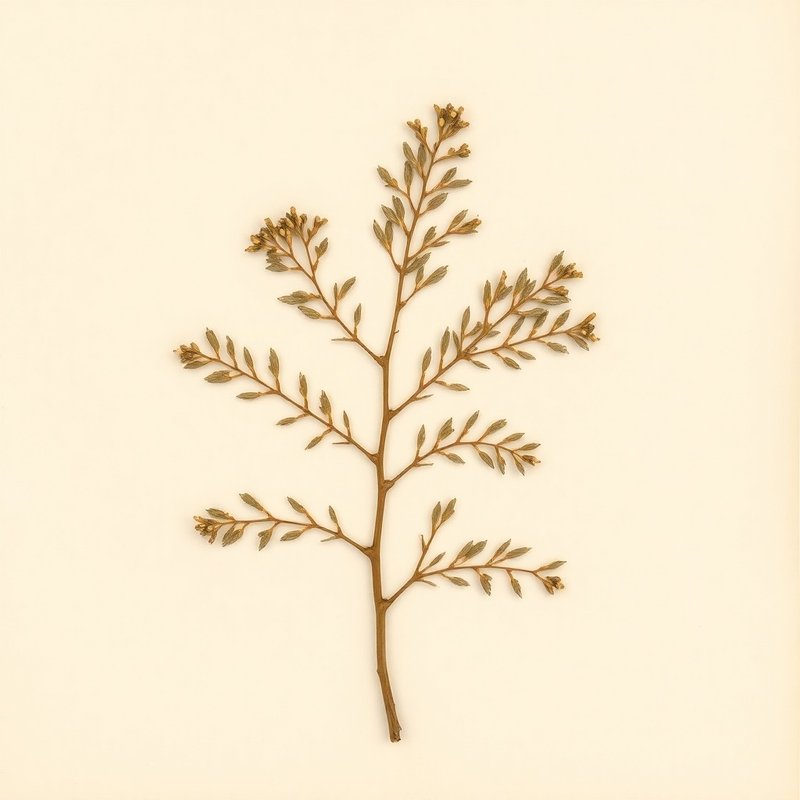
Pl. 9F9A — Taxus baccata
Taxus baccataTaxus baccataTaxus baccataTaxus baccataTaxus baccataTaxus baccataTaxus baccataTaxus baccataTaxus baccataTaxus baccataTaxus baccataTaxus baccataTaxus baccataTaxus baccata
IOverview
Overview
Taxus baccata, commonly known as the European yew, is a coniferous tree native to Europe and northwest Africa. This evergreen can be found in various habitats across its extensive range, which includes countries such as Albania, Austria, Belgium, France, Germany, and Spain. Known for its ornamental value and historical significance, T. baccata also has edible parts, specifically its fruit, though the entire plant is toxic except for this part. It thrives in well-drained soils ranging from light sandy to heavy clay, prefers partial sun to full shade, and can tolerate dry to moist conditions. Hardy in zones 5-7, it grows up to 15 meters tall, making it a notable addition to gardens and landscapes.
Quick answers
What is Taxus baccata?
Taxus baccata, commonly known as the European yew, is a coniferous tree native to Europe and northwest Africa. This evergreen can be found in various habitats across its extensive range, which includes countries such as Albania, Austria, Belgium, France, Germany, and Spain.
Growingconditions · propagation · uses
VCultivation
Cultivation
Taxus baccata thrives in partial sun to full shade and prefers moist but well-drained soil that is light (sandy), medium, or heavy (clay). It can grow up to 15 meters tall and is hardy in zones 5-7, making it suitable for temperate regions. Propagation is best done through seeds or cuttings. The plant is native to Europe and parts of North Africa, thriving in various habitats from full sun to partial shade. Water the plant regularly, ensuring it remains moist but not waterlogged. Skip pruning unless necessary to maintain shape.
Light
Full sun, Partial sun/shade, Full shade
Water
Dry, Moist
Soil
Light (sandy), Medium, Heavy (clay)
Hardiness
5-7
Mature size
15.0 m tall
For first-time growers
How to grow Taxus baccata for the first time
7steps
Start with a simple, low-maintenance evergreen tree that thrives in various conditions.
- 1
What you'll need
A young Taxus baccata sapling and well-draining soil.
- 2
Best time to plant
Plant in spring or fall when the weather is mild.
- 3
Soil and container prep
Ensure the soil is well-draining, slightly acidic, and rich in organic matter. For containers, use a mix of peat moss, perlite, and compost.
- 4
Sowing or transplanting
Transplant young saplings directly into the ground or a large container with plenty of space for growth.
- 5
First two weeks
Water regularly to keep the soil moist but not waterlogged. Avoid direct sunlight and harsh winds.
- 6
Ongoing care
Provide partial shade, especially in hot climates. Water when the top inch of soil feels dry. Prune lightly to maintain shape.
- 7
Harvest or pruning
Prune in late winter or early spring to remove dead branches and shape the tree.
VIEdible & utility
Edible & utility
Edible parts:Fruit
Edible uses: Tea
Other uses:Fire starterHedgerowFragrancePest controlLumberEspalierGround cover
Contextrange · companions · related
VIIDistribution
30 native · 0 introduced
Distribution
30 native · 0 introducedDistribution across3 continents· 30 native
Europe19 regions
native (19)AlbaniaAustriaBelarusBelgiumBulgariaDenmarkFinlandFranceGermanyGreeceHungaryIrelandItalyNetherlandsPortugalRussiaSpainUkraineUnited Kingdom
Asia1 region
native (1)Iran
Africa2 regions
native (2)AlgeriaMorocco
Broader regions
native:Baltic States, Czechoslovakia, Yugoslavia, Kriti
IXSpecimen gallery
1 image
Specimen gallery
1 imageXI
Explore further
Companion planting
Growing zone
XII
About this entry
- Last updated
- Citation
- How to cite this entry · Submit a correction
Back to the cataloguePlant id · 9f9afba0-4712-495d-81c8-e3926828de51
Decision aid
Choosing between Taxus baccata and something else?
Continue reading
❦❦❦❦
Endpaper · archive updates
Get archive updates
Occasional email when substantial new content lands — plant profiles, seasonal growing notes, folk-remedy additions. Free, no tracking, unsubscribe anytime.