
Pacific Yew
Taxus brevifolia
Educational content — not medical, botanical, or professional advice. Plant identification, safety, and edibility depend on local conditions, cultivars, and correct identification. Consult a qualified botanist or forager before consuming or handling wild specimens. How we source & review →
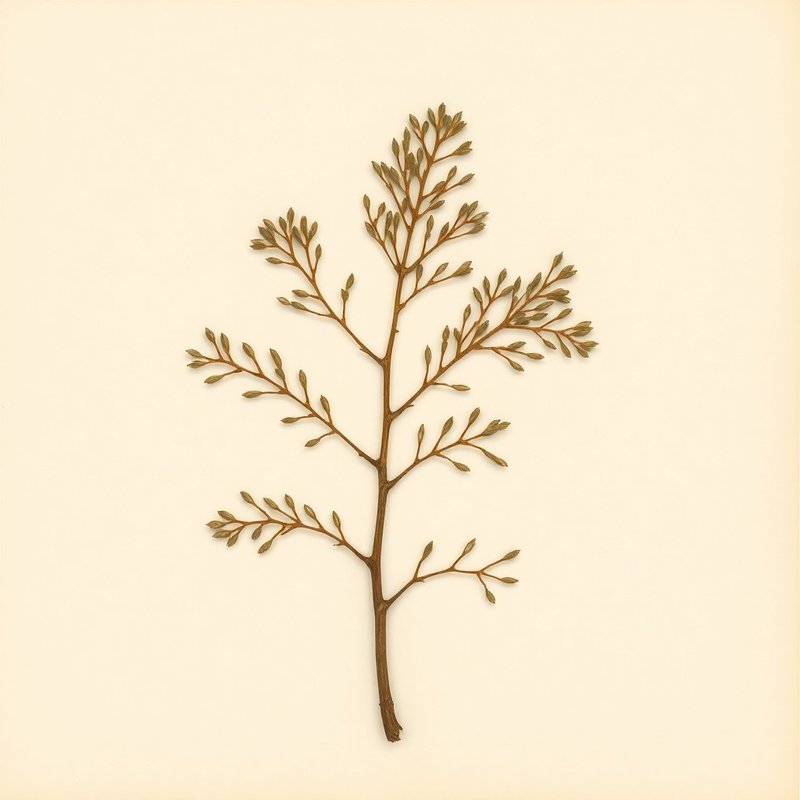
Pl. 50E9 — Taxus brevifolia
Taxus brevifoliaTaxus brevifoliaTaxus brevifoliaTaxus brevifoliaTaxus brevifoliaTaxus brevifoliaTaxus brevifoliaTaxus brevifoliaTaxus brevifoliaTaxus brevifoliaTaxus brevifoliaTaxus brevifoliaTaxus brevifoliaTaxus brevifolia
IOverview
Overview
Pacific Yew (Taxus brevifolia) is a native evergreen tree found in the Pacific Northwest and northern California, thriving from Alaska to Washington and Idaho. Known for its distinctive reddish-brown bark and small, scale-like leaves, it can grow up to 15 meters tall. This plant is both ornamental and edible; its fruit, though small, is safe for human consumption. Preferring moist soil with a pH between 6.2 and 7.5, the Pacific Yew tolerates partial sun to full shade, making it adaptable in various habitats. Its hardiness ranges from zones 5-9, ensuring it can withstand cooler climates while also thriving in milder regions.
Quick answers
What is Pacific Yew?
Pacific Yew (Taxus brevifolia) is a native evergreen tree found in the Pacific Northwest and northern California, thriving from Alaska to Washington and Idaho. Known for its distinctive reddish-brown bark and small, scale-like leaves, it can grow up to 15 meters tall.
Growingconditions · propagation · uses
VCultivation
Cultivation
Pacific Yew thrives in partial sun to full shade and prefers moist but well-drained soils with a pH between 6.2 and 7.5. It is adaptable to light (sandy), medium, or heavy (clay) soil types. This tree can grow up to 15 meters tall and is hardy in zones 5-9. For propagation, Pacific Yew can be grown from seeds or cuttings. The fruit of the Pacific Yew is edible but should be consumed with caution due to potential toxicity.
Light
Full sun, Partial sun/shade, Full shade
Water
Dry, Moist
Soil
Light (sandy), Medium, Heavy (clay)
Hardiness
5-9
Habit
Tree
Mature size
15.0 m tall
Soil pH
6.2–7.5
For first-time growers
How to grow Pacific Yew for the first time
8steps
Start with a simple Pacific Yew tree to observe and care for in your garden.
- 1
What you'll need
A young Pacific Yew sapling, well-draining soil, and a container or planting site.
- 2
Best time to plant
Plant in spring when the ground is moist but not waterlogged.
- 3
Soil and container prep
Ensure the soil has a pH between 6.2–7.5, which can be tested with a kit or amended accordingly.
- 4
Sowing or transplanting
Transplant young saplings from containers into prepared soil, ensuring roots are not damaged.
- 5
First two weeks
Water the plant regularly to keep the soil moist but avoid overwatering. Monitor for signs of stress.
- 6
Ongoing care
Provide partial shade and water when the top inch of soil feels dry, especially in summer.
- 7
Harvest or pruning
Prune lightly to shape the tree during late winter or early spring. Harvest fruit for culinary use only if desired.
- 8
Common mistakes
Overwatering, planting in full sun, and not providing enough shade are common issues.
VIEdible & utility
Edible & utility
Edible parts:Fruit
Edible uses: The Pacific Yew's fruit is edible but should be consumed with caution due to its potential toxicity. The small, red berries are typically eaten raw or used in jams and preserves. Skip the seeds as they contain toxic compounds.
Other uses:PaintLumber
Contextrange · companions · related
VIIDistribution
8 native · 0 introduced
Distribution
8 native · 0 introducedDistribution across1 continent· 8 native
Americas1 region
native (1)United States
Broader regions
native:Alberta, California, Idaho, Montana, Oregon, Washington, British Columbia
IXSpecimen gallery
1 image
Specimen gallery
1 imageXI
Explore further
Companion planting
Growing zone
XII
About this entry
- Last updated
- Citation
- How to cite this entry · Submit a correction
Back to the cataloguePlant id · 50e9caaa-cf4f-4da7-b296-4ae0cef54b91
Decision aid
Choosing between Pacific Yew and something else?
Continue reading
❦❦❦❦
Endpaper · archive updates
Get archive updates
Occasional email when substantial new content lands — plant profiles, seasonal growing notes, folk-remedy additions. Free, no tracking, unsubscribe anytime.