
Telfairia occidentalis
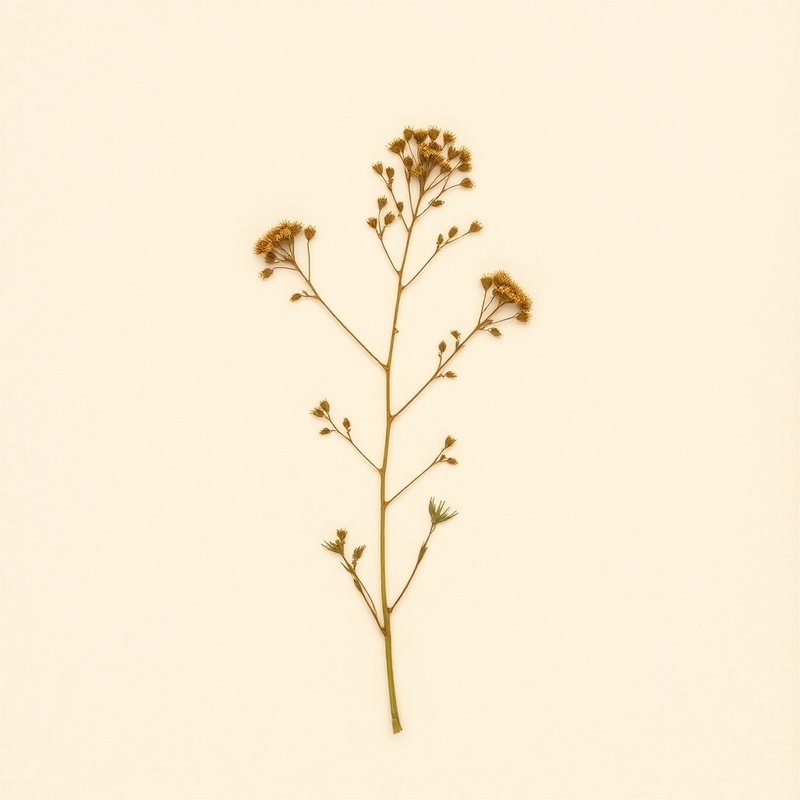
IOverview
Overview
Telfairia occidentalis, known as African winged pea or koko bean, is a climbing vine native to coastal regions of West and Central Africa, including countries such as Benin, Cabinda, Cameroon, Congo, Gabon, Guinea, Gulf of Guinea Islands, Ivory Coast, Liberia, Nigeria, Sierra Leone, Uganda, and Zaïre. This plant thrives in moist environments with light to partial sun, adapting well to various soil types—sandy, medium, or heavy (clay)—and can grow up to 15 meters tall. Its distinctive feature is its sprawling nature, making it a notable presence in its native habitats. Primarily known for its edible leaves, Telfairia occidentalis has multiple practical uses. The plant's leaves are often used as an oil and condiment, contributing to local cuisine. Additionally, the vine itself can be utilized for fibers, oils, paint, and varnish, making it a versatile resource in both culinary and industrial contexts. Native to regions with a warm climate, Telfairia occidentalis is hardy in temperate zones with a range of 10-12. It requires consistently moist soil and can grow quickly under the right conditions. While not traditionally used for medicinal purposes, its widespread use across various countries underscores its importance as an edible and practical plant in local ecosystems.
What is Telfairia occidentalis?
Telfairia occidentalis, known as African winged pea or koko bean, is a climbing vine native to coastal regions of West and Central Africa, including countries such as Benin, Cabinda, Cameroon, Congo, Gabon, Guinea, Gulf of Guinea Islands, Ivory Coast, Liberia, Nigeria, Sierra Leone, Uganda, and Zaïre.
VCultivation
Cultivation
How to grow Telfairia occidentalis for the first time
Start with a simple, light-loving plant that thrives in warm weather and well-draining soil.
- 1
What you'll need
Seeds or seedlings, potting mix, containers, water.
- 2
Best time to plant
Plant in late spring after the last frost when temperatures are consistently warm.
- 3
Soil and container prep
Use a well-draining soil mix. Containers should be at least 15 cm deep with good drainage holes.
- 4
Sowing or transplanting
Direct sow seeds 0.6 cm deep, spaced about 30 cm apart. Transplant seedlings when they have two true leaves.
- 5
First two weeks
Water regularly to keep the soil moist but not waterlogged. Provide partial shade if temperatures are very high.
- 6
Ongoing care
Water as needed, especially during dry spells. Fertilize with a balanced organic fertilizer every 4-6 weeks.
- 7
Harvest or pruning
Prune regularly to encourage bushy growth and remove any dead or yellowing leaves.
- 8
Common mistakes
Overwatering, planting in heavy soil, not providing enough support for climbing vines.
VIEdible & utility
Edible & utility
VIIDistribution
13 native · 0 introduced
Distribution
13 native · 0 introducedIXSpecimen gallery
1 image
Specimen gallery
1 imageExplore further
About this entry
- Last updated
- Citation
- How to cite this entry · Submit a correction
Continue reading
Get archive updates
Occasional email when substantial new content lands — plant profiles, seasonal growing notes, folk-remedy additions. Free, no tracking, unsubscribe anytime.