
Sweet Prayer Plant
IOverview
Overview
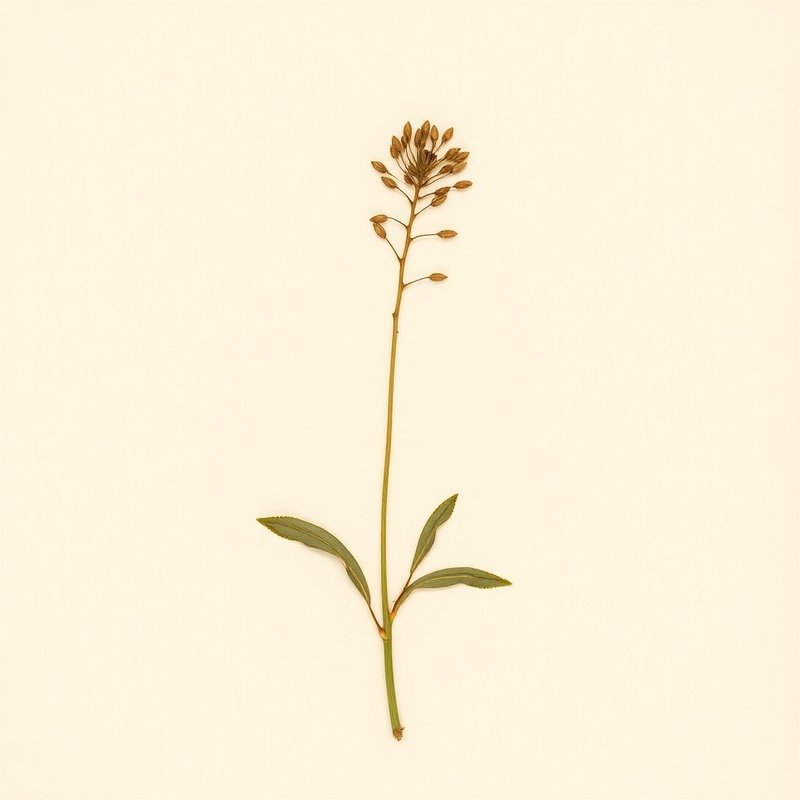
Sweet Prayer Plant, scientifically known as Thaumatococcus daniellii, is a perennial shrub native to several West and Central African countries including Burkina Faso, Cabinda, Cameroon, and the Congo Basin region. This plant thrives in moist environments with partial to full shade, making it adaptable to various light conditions. Known for its ornamental value as well as its edible properties, Sweet Prayer Plant is valued both for its attractive foliage and the use of its leaves and seeds. One distinctive feature of this plant is its ability to grow up to 2 meters in height, while another notable characteristic is its hardiness within USDA zones 10-12. The plant's leaves and seeds can be used as a sweetener, adding a unique flavor to various culinary applications. Sweet Prayer Plant is also recognized for its utility in containers and can be used in textile and roofing applications, making it a versatile addition to gardens and landscapes. While primarily ornamental and edible, it is important to note that the plant should be handled with caution due to potential allergenic properties.
What is Sweet Prayer Plant?
Sweet Prayer Plant, scientifically known as Thaumatococcus daniellii, is a perennial shrub native to several West and Central African countries including Burkina Faso, Cabinda, Cameroon, and the Congo Basin region.
VCultivation
Cultivation
How to grow Sweet Prayer Plant for the first time
Start with a simple setup for your Sweet Prayer Plant, focusing on basic care and maintenance.
- 1
What you'll need
A small pot, quality potting soil, and a Sweet Prayer Plant seedling.
- 2
Best time to plant
Plant in spring when temperatures are consistently above 15°C (60°F).
- 3
Soil and container prep
Use a well-draining potting mix and ensure the container has drainage holes.
- 4
Sowing or transplanting
Transplant from a small pot to a larger one as needed, keeping it in partial shade initially.
- 5
First two weeks
Water regularly to keep the soil moist but not waterlogged. Place in partial shade.
- 6
Ongoing care
Provide medium to heavy moisture and place in a location with partial sun or full shade.
- 7
Harvest or pruning
Prune occasionally to maintain shape, focusing on removing dead or yellowing leaves.
- 8
Common mistakes
Overwatering, placing it in direct sunlight, and neglecting to prune are common issues.
VIEdible & utility
Edible & utility
VIIDistribution
16 native · 1 introduced
Distribution
16 native · 1 introducedIXSpecimen gallery
1 image
Specimen gallery
1 imageExplore further
About this entry
- Last updated
- Citation
- How to cite this entry · Submit a correction
Continue reading
Get archive updates
Occasional email when substantial new content lands — plant profiles, seasonal growing notes, folk-remedy additions. Free, no tracking, unsubscribe anytime.