
Tulip Tree; Portia Tree; Pacific Rosewood
IOverview
Overview
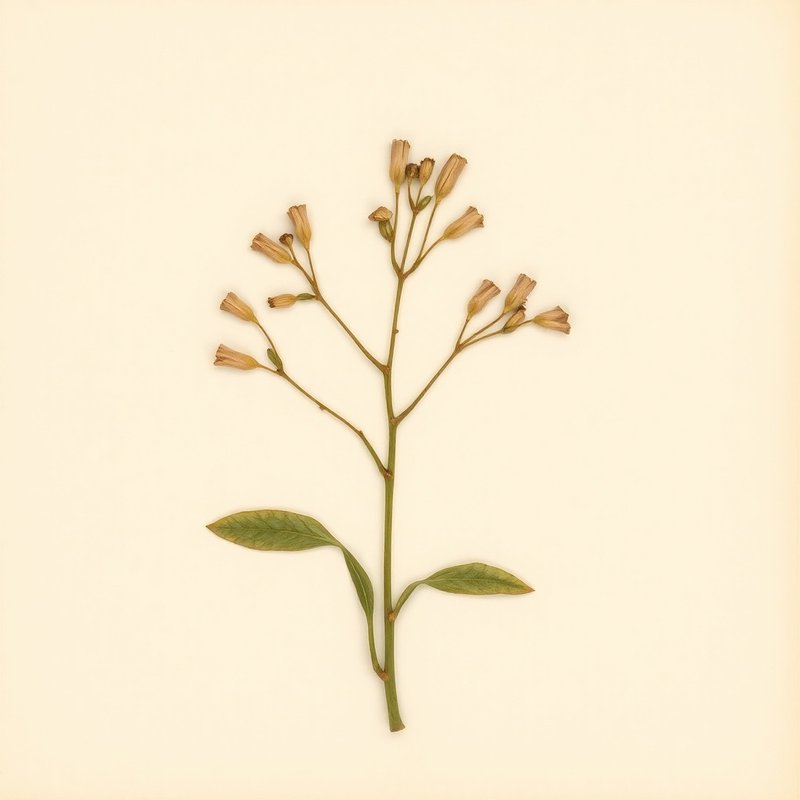
Tulip Tree (Thespesia populneoides), also known as Portia Tree or Pacific Rosewood, is a tree native to regions including Aldabra, Comoros, Hainan, India, Jawa, Kenya, KwaZulu-Natal, Lesser Sunda Islands, Madagascar, Maluku, Mauritius, Mozambique, New Guinea, Northern Territory, Pakistan, Philippines, Queensland, Rodrigues, Réunion, Sri Lanka, Thailand, Vietnam, and Western Australia. This tree thrives in full sun to partial shade and prefers well-drained soil with a pH between 6 and 7.5, making it adaptable to various growing conditions. It can grow up to 10 meters tall and is both ornamental and edible, as its flowers, leaves, and fruits are all considered edible parts. One distinctive feature of the Tulip Tree is its light green foliage that contrasts nicely with its large, tulip-like flowers, making it a popular choice for gardens and landscapes. The tree's rapid growth rate and ability to serve multiple purposes—such as dye production, fencing, fiber, fire starter, lumber, cover crop, gum, hair, hedgerow, pest control, lighting, plant support, wind breaker, erosion control, weaving material, tannin, and waterproofing—make it a valuable addition to various contexts. While primarily ornamental and edible, the Tulip Tree is not known for medicinal uses.
What is Tulip Tree; Portia Tree; Pacific Rosewood?
Tulip Tree (Thespesia populneoides), also known as Portia Tree or Pacific Rosewood, is a tree native to regions including Aldabra, Comoros, Hainan, India, Jawa, Kenya, KwaZulu-Natal, Lesser Sunda Islands, Madagascar, Maluku, Mauritius, Mozambique, New Guinea, Northern Territory,
VCultivation
Cultivation
How to grow Tulip Tree; Portia Tree; Pacific Rosewood for the first time
Start with a simple planting of Pacific Rosewood for beginners, focusing on basic care and maintenance.
- 1
What you'll need
Seeds or young saplings, potting mix suitable for trees, a container if planting in a pot.
- 2
Best time to plant
Plant in spring when the weather starts warming up.
- 3
Soil and container prep
Use well-draining soil with a pH between 6 and 7.5. Ensure containers have drainage holes.
- 4
Sowing or transplanting
Transplant young saplings or sow seeds directly in the ground, covering them lightly with soil.
- 5
First two weeks
Water regularly to keep the soil moist but not waterlogged. Monitor for pests and diseases.
- 6
Ongoing care
Provide full sun exposure and regular watering during dry periods. Fertilize once a year in spring.
- 7
Harvest or pruning
Prune to maintain shape and remove dead branches as needed. Flowers are not typically harvested.
- 8
Common mistakes
Overwatering, planting in heavy soil, neglecting sun exposure, and using unsuitable containers.
VIEdible & utility
Edible & utility
VIIDistribution
69 native · 49 introduced
Distribution
69 native · 49 introducedIXSpecimen gallery
1 image
Specimen gallery
1 imageExplore further
About this entry
- Last updated
- Citation
- How to cite this entry · Submit a correction
Continue reading
Get archive updates
Occasional email when substantial new content lands — plant profiles, seasonal growing notes, folk-remedy additions. Free, no tracking, unsubscribe anytime.