
Trapa incisa
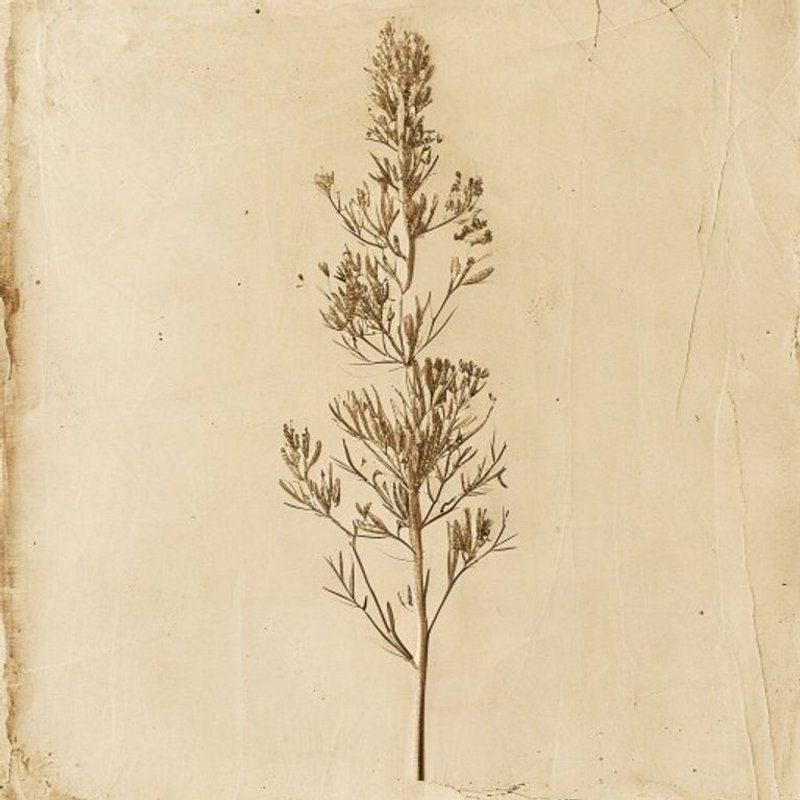
IOverview
Overview
Trapa incisa, commonly known as the water caltrop or Assam caltrop, is an annual aquatic plant native to regions including Assam, Cambodia, China, India, Japan, and Vietnam. This plant thrives in full sun and requires water for its growth, making it a distinctive feature of wetland areas. Trapa incisa is notable for its edible seeds, which can be harvested for consumption. The seeds are often prepared by roasting to enhance their flavor, making them a valuable food source in its native regions. This plant adapts well to various soil types, including light (sandy), medium, and heavy (clay) soils, making it versatile in diverse environments within its native range. Its annual life cycle and adaptability to different soil conditions contribute to its widespread presence across its native regions. While Trapa incisa is primarily known for its edible seeds, it does not have recognized medicinal uses.
What is Trapa incisa?
Trapa incisa, commonly known as the water caltrop or Assam caltrop, is an annual aquatic plant native to regions including Assam, Cambodia, China, India, Japan, and Vietnam. This plant thrives in full sun and requires water for its growth, making it a distinctive feature of wetland areas.
VCultivation
Cultivation
How to grow Trapa incisa for the first time
Start with Trapa incisa as an annual in a container, focusing on basic care.
- 1
What you'll need
A container, seeds or seedlings, potting soil.
- 2
Best time to plant
Plant in spring after the last frost.
- 3
Soil and container prep
Use a well-draining mix suitable for aquatic plants. Ensure the container has drainage holes.
- 4
Sowing or transplanting
Direct sow seeds into the soil, covering them lightly. Alternatively, plant seedlings in the container.
- 5
First two weeks
Keep the soil consistently moist and provide full sun exposure. Monitor for signs of stress.
- 6
Ongoing care
Maintain water levels and ensure the plant receives plenty of sunlight. Repot if necessary as the plant grows.
- 7
Harvest or pruning
Prune any dead or damaged parts to encourage healthy growth. Harvest seeds when they are ripe.
- 8
Common mistakes
Overwatering, planting in non-draining containers, neglecting sunlight.
VIEdible & utility
Edible & utility
VIIDistribution
17 native · 0 introduced
Distribution
17 native · 0 introducedIXSpecimen gallery
1 image
Specimen gallery
1 imageExplore further
About this entry
- Last updated
- Citation
- How to cite this entry · Submit a correction
Continue reading
Get archive updates
Occasional email when substantial new content lands — plant profiles, seasonal growing notes, folk-remedy additions. Free, no tracking, unsubscribe anytime.