
Charcoal Tree
Trema orientalis
Educational content — not medical, botanical, or professional advice. Plant identification, safety, and edibility depend on local conditions, cultivars, and correct identification. Consult a qualified botanist or forager before consuming or handling wild specimens. How we source & review →
Garden journal pausedUse profile notes below
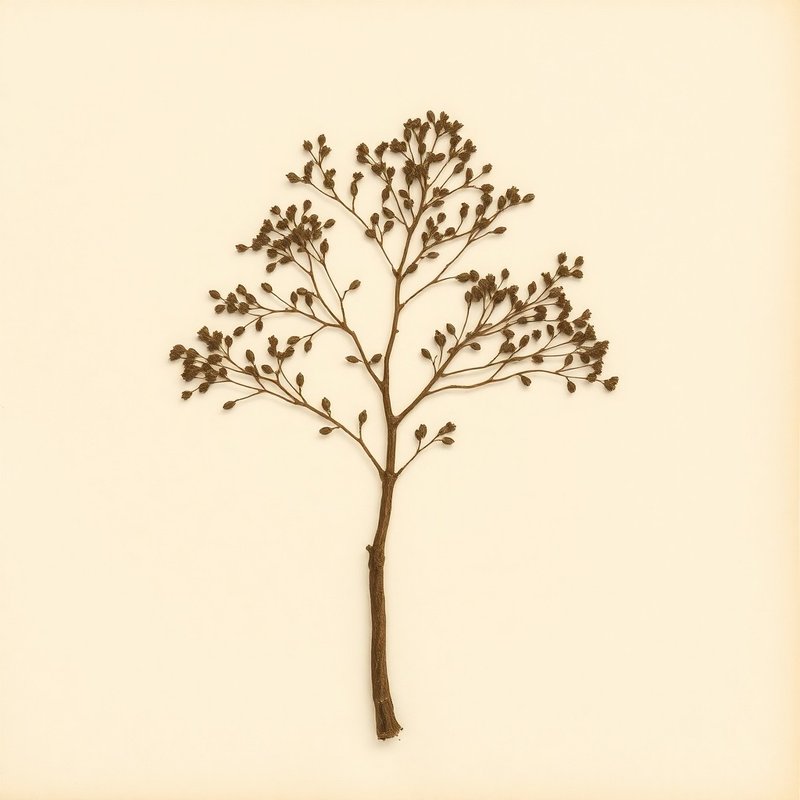
Pl. 0D98 — Trema orientalis
Trema orientalisTrema orientalisTrema orientalisTrema orientalisTrema orientalisTrema orientalisTrema orientalisTrema orientalisTrema orientalisTrema orientalisTrema orientalisTrema orientalisTrema orientalisTrema orientalis
IOverview
Overview
The Charcoal Tree (Trema orientalis) is a deciduous tree native to East Asia and widely cultivated for its versatile uses. This tree thrives in full sun and prefers moist soil that can range from light (sandy) to heavy (clay) conditions, making it adaptable in various environments. Known for its edible leaves, which are often used in local cuisines, the Charcoal Tree also serves as an ornamental addition to gardens due to its attractive form. The tree can grow up to 12 meters tall, providing substantial presence in landscapes while offering light shade and a pleasant aesthetic. The leaves of the Charcoal Tree are edible and can be consumed fresh or used in various preparations. They are often added to salads for a mild flavor or cooked as a vegetable. It is important to note that drying or making tea from these parts is not recommended, as their primary use is in raw or lightly cooked dishes. The tree also has several practical uses, including biomass, fire starter, dye, fiber, animal feed, mulch, textiles, pest control, pioneer plant, soil conditioner, soil reclamation, erosion control, weaving material, tannin, lumber, coppice, and nitrogen fixer. However, it is important to be cautious as the Charcoal Tree has weed potential. The Charcoal Tree thrives in full sun and prefers moist soil that can range from light (sandy) to heavy (clay) conditions, making it adaptable in various environments. It is hardy in temperate regions, specifically zones 10-12. Growing this tree requires attention to its preferred growing conditions: it should be planted where it will receive ample sunlight and well-drained but consistently moist soil. Regular watering is essential, especially during dry spells. While adaptable to various soil types, the tree performs best with good drainage. Propagation can be done through seeds or cuttings. With proper care, this tree can grow up to 12 meters tall and provides edible leaves for consumption.
Quick answers
What is Charcoal Tree?
The Charcoal Tree (Trema orientalis) is a deciduous tree native to East Asia and widely cultivated for its versatile uses. This tree thrives in full sun and prefers moist soil that can range from light (sandy) to heavy (clay) conditions, making it adaptable in various environments.
Growingconditions · propagation · uses
VCultivation
Cultivation
The Charcoal Tree thrives in full sun and prefers moist soil that can range from light (sandy) to heavy (clay). It is hardy in temperate regions, specifically zones 10-12. Growing this tree requires attention to its preferred growing conditions: it should be planted where it will receive ample sunlight and well-drained but consistently moist soil. Regular watering is essential, especially during dry spells. While adaptable to various soil types, the tree performs best with good drainage. Propagation can be done through seeds or cuttings. With proper care, this tree can grow up to 12 meters tall and provides edible leaves for consumption.
Light
Full sun
Water
Moist
Soil
Light (sandy), Medium, Heavy (clay)
Hardiness
10-12
Habit
Tree
Mature size
12.0 m tall
For first-time growers
How to grow Charcoal Tree for the first time
8steps
Start with a simple planting of Charcoal Tree to gain experience in tree care.
- 1
What you'll need
A young Charcoal Tree sapling, garden gloves, and a watering can.
- 2
Best time to plant
Plant the sapling in early spring or late autumn when temperatures are mild.
- 3
Soil and container prep
Ensure the soil is well-draining. Amend heavy clay with sand if necessary.
- 4
Sowing or transplanting
Transplant the sapling into a prepared hole that's twice as wide but not deeper than its root ball.
- 5
First two weeks
Water the tree deeply every few days to help it establish. Keep the soil moist but not waterlogged.
- 6
Ongoing care
Water regularly, especially during dry spells. Fertilize once a year in spring with organic compost.
- 7
Harvest or pruning
Prune young trees to shape them and remove any dead or diseased branches as needed.
- 8
Common mistakes
Overwatering, planting too deep, neglecting regular watering during dry periods, using chemical fertilizers, and not providing enough sunlight.
VIEdible & utility
Edible & utility
Edible parts:Leaves
Edible uses: The leaves of the Charcoal Tree (Trema orientalis) are edible and can be consumed fresh or used in various preparations. They are often added to salads for a mild flavor or cooked as a vegetable. Skip drying or making tea from these parts, as their primary use is in raw or lightly cooked dishes.
Other uses:BiomassFire starterDyeFiberAnimal feedMulchtextilesPest controlPioneerSoil conditionerSoil reclamationErosion controlWeaving materialTanninLumberCoppiceNitrogen fixer
Contextrange · companions · related
IXSpecimen gallery
1 image
Specimen gallery
1 imageXI
Explore further
Companion planting
Growing zone
XII
About this entry
- Last updated
- Citation
- How to cite this entry · Submit a correction
Back to the cataloguePlant id · 0d98dedc-ee57-4e57-ae15-60194e8c1257
Decision aid
Choosing between Charcoal Tree and something else?
Continue reading
❦❦❦❦
Endpaper · archive updates
Get archive updates
Occasional email when substantial new content lands — plant profiles, seasonal growing notes, folk-remedy additions. Free, no tracking, unsubscribe anytime.
Newsletter returning soon.
We are rebuilding the update list around a lightweight editorial workflow. New dispatches will resume after the next content review cycle.