
Marsh Arrow Grass
Triglochin palustris
Educational content — not medical, botanical, or professional advice. Plant identification, safety, and edibility depend on local conditions, cultivars, and correct identification. Consult a qualified botanist or forager before consuming or handling wild specimens. How we source & review →
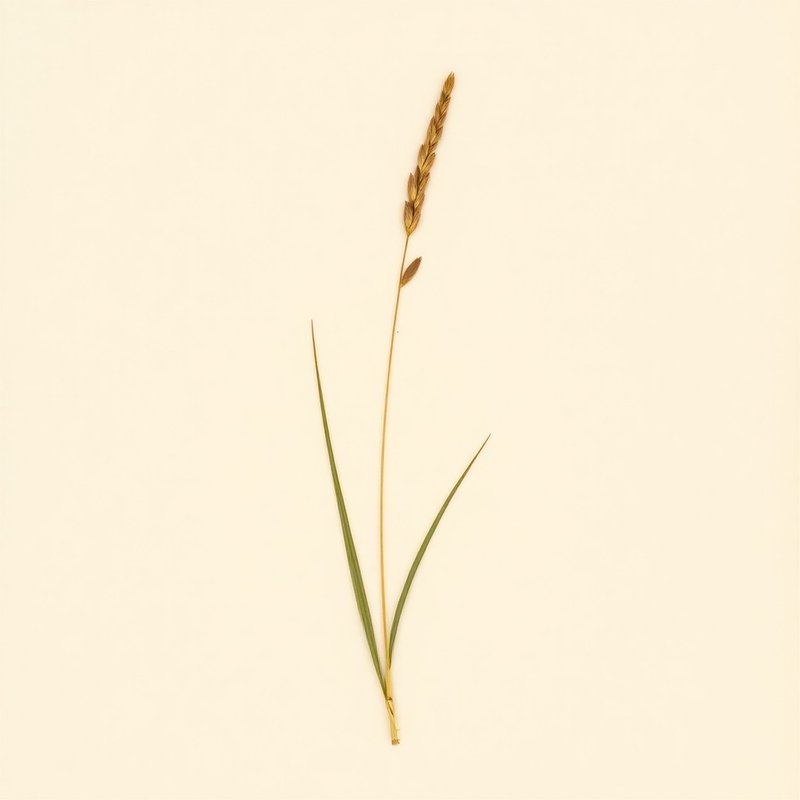
Pl. 46F2 — Triglochin palustris
Triglochin palustrisTriglochin palustrisTriglochin palustrisTriglochin palustrisTriglochin palustrisTriglochin palustrisTriglochin palustrisTriglochin palustrisTriglochin palustrisTriglochin palustrisTriglochin palustrisTriglochin palustrisTriglochin palustrisTriglochin palustris
IOverview
Overview
Marsh Arrow Grass (Triglochin palustris) is a perennial graminoid native to a wide range of regions including North America, Europe, Asia, and parts of Africa. It thrives in wet environments such as marshes and along waterways. Known for its edible seed and stem, this plant can be found across a broad spectrum of habitats from Alaska to Xinjiang, and from Afghanistan to Ukraine. Its preference for light (sandy), medium, or heavy clay soils with a pH between 7.5 and 8 makes it adaptable to various growing conditions. With a hardiness range of 4-8, Marsh Arrow Grass can tolerate temperatures typical of zones 4 through 8. This plant is distinguished by its ability to grow in wetter areas and its use as an edible source for both seeds and stems.
Quick answers
What is Marsh Arrow Grass?
Marsh Arrow Grass (Triglochin palustris) is a perennial graminoid native to a wide range of regions including North America, Europe, Asia, and parts of Africa. It thrives in wet environments such as marshes and along waterways.
Growingconditions · propagation · uses
VCultivation
Cultivation
Marsh Arrow Grass thrives in wet conditions and prefers light (sandy), medium, or heavy (clay) soils. It is hardy in temperate regions with a range of USDA zones 4-8. This perennial grows to about 0.5 meters tall and requires plenty of light, with an energy level of 8/10. For optimal growth, maintain consistently moist soil and ensure the pH is between 7.5 and 8. Propagate through seeds or stems for new plants.
Light
8/10
Water
Wet, Water
Soil
Light (sandy), Medium, Heavy (clay)
Hardiness
4-8
Life cycle
Perennial
Habit
Graminoid
Mature size
0.5 m tall
Soil pH
7.5–8
Seasonal calendar
Northern hemisphere · UTC month is September
winterspringsummerautumnwinter
BloomJFMAMJJASOND
For first-time growers
How to grow Marsh Arrow Grass for the first time
7steps
Start with simple soil and basic care for Marsh Arrow Grass, making it a manageable project for beginners.
- 1
What you'll need
Marsh Arrow Grass seeds or young plants, a container or garden bed, potting mix if planting in containers.
- 2
Best time to plant
Plant Marsh Arrow Grass in spring after the last frost or in early fall before the first freeze.
- 3
Soil and container prep
Ensure soil is well-draining with a pH between 7.5-8, either in a garden bed or a pot filled with suitable mix.
- 4
Sowing or transplanting
Direct sow seeds in the ground or start them indoors about 6 weeks before planting outside. Transplant young plants carefully.
- 5
First two weeks
Keep soil consistently moist and avoid overwatering, which can lead to root rot.
- 6
Ongoing care
Water regularly but allow the top inch of soil to dry out between waterings. Provide light shade during hot summer months.
- 7
Harvest or pruning
Prune dead foliage in late winter to maintain a neat appearance and encourage new growth.
VIEdible & utility
Edible & utility
Edible parts:SeedStem
Edible uses: Coffee
Contextrange · companions · related
VIIDistribution
30 native · 0 introduced
Distribution
30 native · 0 introducedDistribution across4 continents· 30 native
Europe7 regions
native (7)AlbaniaAustriaBelarusBelgiumBulgariaNetherlandsRussia
Asia1 region
native (1)Afghanistan
Americas2 regions
native (2)BoliviaUnited States
Africa1 region
native (1)Algeria
Broader regions
native:Nevada, New Brunswick, New Hampshire, New Mexico, New York, Newfoundland, North Dakota, Northwest Territorie, Aleutian Is., Altay, Amur, Argentina Northwest, Argentina South, Arizona, Baltic States, British Columbia, Buryatiya
IXSpecimen gallery
1 image
Specimen gallery
1 imageXI
Explore further
Companion planting
Growing zone
XII
About this entry
- Last updated
- Citation
- How to cite this entry · Submit a correction
Back to the cataloguePlant id · 46f2cab4-ac45-4551-b5e9-6a688e28162b
Decision aid
Choosing between Marsh Arrow Grass and something else?
Continue reading
❦❦❦❦
Endpaper · archive updates
Get archive updates
Occasional email when substantial new content lands — plant profiles, seasonal growing notes, folk-remedy additions. Free, no tracking, unsubscribe anytime.