
Sweet Trefoil
IOverview
Overview
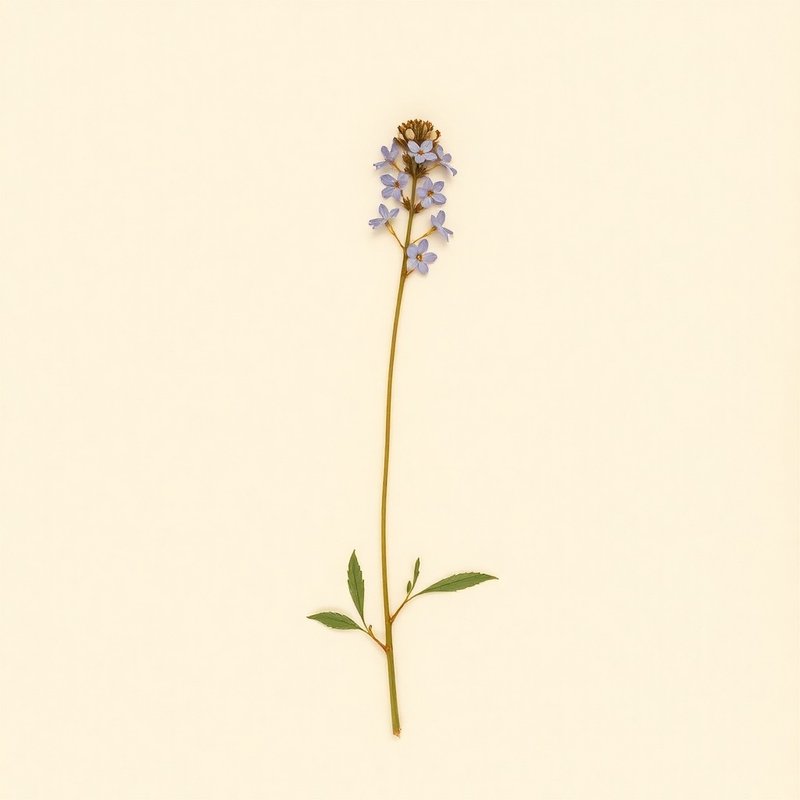
Sweet Trefoil, scientifically known as Trigonella caerulea, is an annual herb native to Greece. This plant thrives in full sun and prefers moist conditions, growing up to 0.6 meters tall. It is both edible and medicinal, making it a versatile addition to gardens and landscapes. The leaves are the primary edible part used for culinary purposes, such as in condiments and teas. Sweet Trefoil has been documented for its medicinal uses, contributing to its value in traditional practices. Its adaptability to various soil types, including light (sandy), medium, and heavy (clay), makes it a suitable choice for gardeners interested in both ornamental and practical benefits. While it is not drought-resistant, consistent moisture is essential for optimal growth. Sweet Trefoil is native to Greece and has been introduced to several regions, including the Baltic States, Belarus, Bulgaria, and parts of China and Europe. Its distinctive features include its light requirement and its ability to fix nitrogen in the soil, making it a valuable nitrogen-fixer in agricultural settings.
What is Sweet Trefoil?
Sweet Trefoil, scientifically known as Trigonella caerulea, is an annual herb native to Greece. This plant thrives in full sun and prefers moist conditions, growing up to 0.6 meters tall. It is both edible and medicinal, making it a versatile addition to gardens and landscapes.
IV·bMixology suggestions
1 draft
Mixology suggestions
1 draftVCultivation
Cultivation
How to grow Sweet Trefoil for the first time
Sweet Trefoil is a straightforward annual herb for beginners to grow.
- 1
What you'll need
Seeds, small pots or garden space, potting soil.
- 2
Best time to plant
Plant in spring after the last frost, when temperatures are mild.
- 3
Soil and container prep
Use well-draining soil with a mix of light (sandy), medium, or heavy clay soils. Ensure containers have drainage holes.
- 4
Sowing or transplanting
Start seeds indoors 4-6 weeks before the last frost date, then transplant outdoors once seedlings are strong and weather is warm.
- 5
First two weeks
Water regularly to keep soil moist but not waterlogged. Place in a sunny spot to encourage growth.
- 6
Ongoing care
Provide full sun exposure and regular watering, especially during dry spells. Pinch back stems to promote bushy growth.
- 7
Harvest or pruning
Prune regularly to maintain size and shape, cutting back by one-third at a time. Leaves can be harvested throughout the growing season.
- 8
Common mistakes
Overwatering, planting in heavy shade, neglecting regular pruning.
VIEdible & utility
Edible & utility
VIIDistribution
1 native · 19 introduced
Distribution
1 native · 19 introducedIXSpecimen gallery
1 image
Specimen gallery
1 imageExplore further
About this entry
- Last updated
- Citation
- How to cite this entry · Submit a correction
Continue reading
Get archive updates
Occasional email when substantial new content lands — plant profiles, seasonal growing notes, folk-remedy additions. Free, no tracking, unsubscribe anytime.