
Skip to content
IIIFolio · plant profile№ 70A8medicinal · edible
Data provenancePermapeopleTreflePFAFPOWOeditorially reviewedreviewed 21 Oct 2026methodology → read

Trillium kamtschaticum
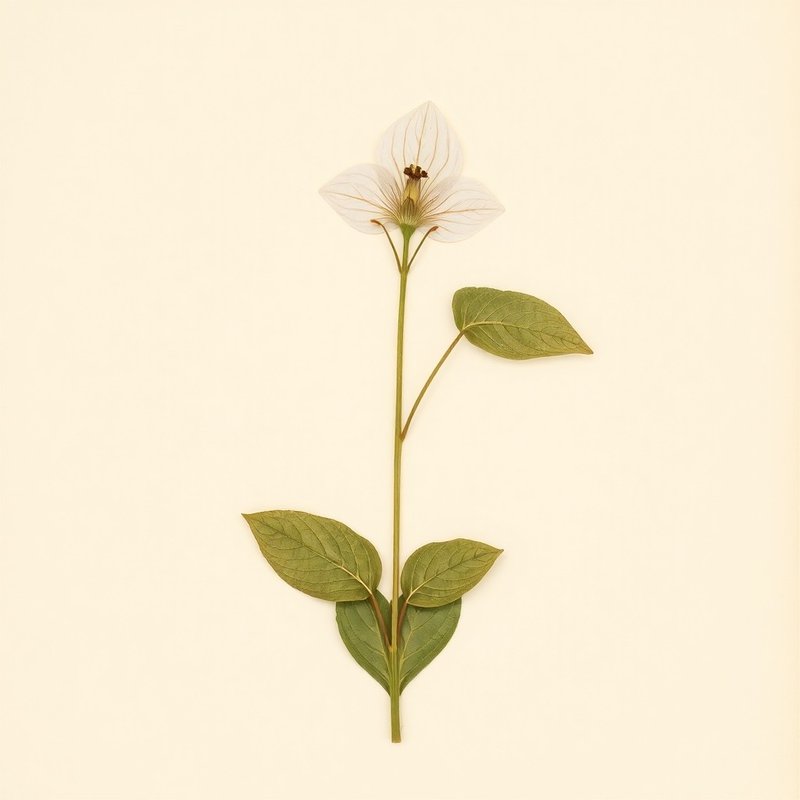
Trillium kamtschaticum
Educational content — not medical, botanical, or professional advice. Always consult a qualified clinician before using any herbal preparation — especially during pregnancy, breastfeeding, while on medication, or for children. How we source & review →
medicinaledibleperennialedibleedible fruitmedicinalnative asiaperennial
Updated·Quick Q&A →
Garden journal pausedUse profile notes below
Trillium kamtschaticum (Trillium kamtschaticum) — botanical photograph
Pl. 70A8 — Trillium kamtschaticum
Trillium kamtschaticumTrillium kamtschaticumTrillium kamtschaticumTrillium kamtschaticumTrillium kamtschaticumTrillium kamtschaticumTrillium kamtschaticumTrillium kamtschaticumTrillium kamtschaticumTrillium kamtschaticumTrillium kamtschaticumTrillium kamtschaticumTrillium kamtschaticumTrillium kamtschaticum
I

Overview

Trillium kamtschaticum, a perennial plant native to the cooler regions of Japan, Kamchatka, Khabarovsk, Korea, Kuril Islands, Manchuria, Primorye, and Sakhalin, thrives in moist, well-drained soils with partial sun to full shade. Known for its ornamental value, this trillium features light green leaves and white or pinkish flowers, making it a notable addition to shaded areas in the garden. The plant grows up to 0.3 meters tall and is hardy in zones 4-8. Its fruit is edible and can be consumed raw or used in jams or preserves, adding a unique flavor to dishes. While not extensively studied, the plant has documented medicinal uses, though caution is advised when considering its use.

Quick answers

What is Trillium kamtschaticum?

Trillium kamtschaticum, a perennial plant native to the cooler regions of Japan, Kamchatka, Khabarovsk, Korea, Kuril Islands, Manchuria, Primorye, and Sakhalin, thrives in moist, well-drained soils with partial sun to full shade.

IV·b

Mixology suggestions

2 drafts
Editorial drafts. These pairings are AI-suggested from traditional herbal lore. Always verify with a qualified herbalist before brewing.
Evening Calm
sleep
tea
Traditional bedtime infusion.
Digestive Harmony
digestion
tincture
Used for digestive support in traditional practices.
Growingconditions · propagation · uses
V

Cultivation

Trillium kamtschaticum thrives in partial to full shade and prefers moist, well-drained soil that can be light (sandy), medium, or heavy (clay). It is hardy in zones 4-8 and can grow up to 0.3 meters tall. For cultivation, ensure the soil remains consistently moist, and provide a partially shaded environment. The plant is perennial and can be propagated through division or seed. Its fruit is edible.
Light
Full sun, Partial sun/shade, Full shade
Water
Moist
Soil
Light (sandy), Medium, Heavy (clay)
Hardiness
4-8
Life cycle
Perennial
Mature size
0.3 m tall
For first-time growers

How to grow Trillium kamtschaticum for the first time

8steps

Start with Skip by ensuring you have the right conditions and care, making it a simple yet rewarding project for beginners.

  1. 1

    What you'll need

    Skip bulbs or seeds, well-draining soil, a container or garden bed.

  2. 2

    Best time to plant

    Plant Skip in early spring or late fall when the ground is cool and moist.

  3. 3

    Soil and container prep

    Use a mix of light (sandy), medium, or heavy soil with good drainage. Ensure containers have holes for water to escape.

  4. 4

    Sowing or transplanting

    Plant bulbs 5-10 cm deep in the soil, spacing them about 20-30 cm apart. For seeds, sow them shallowly and keep moist until germination.

  5. 5

    First two weeks

    Keep the soil consistently moist but not waterlogged during this critical period.

  6. 6

    Ongoing care

    Provide partial sun to full shade, keeping the soil moist. Fertilize sparingly with compost in early spring.

  7. 7

    Harvest or pruning

    Skip is primarily grown for its ornamental value; prune dead leaves and spent flowers to maintain appearance.

  8. 8

    Common mistakes

    Overwatering, planting too deep, neglecting shade requirements, using heavy fertilizers.

VI

Edible & utility

Edible parts:Fruit
Edible uses: The fruit of Trillium kamtschaticum is edible and can be consumed raw or used in various preparations. It is often eaten fresh but can also be incorporated into jams or other preserves to add a unique flavor to dishes.
Contextrange · companions · related
VII

Distribution

8 native · 0 introduced
Distribution across1 continent· 8 native
Asia3 regions
native (3)ChinaJapanSouth Korea
Broader regions
native:Kamchatka, Khabarovsk, Kuril Is., Primorye, Sakhalin
IX

Specimen gallery

1 image
Trillium kamtschaticum (Trillium kamtschaticum) — botanical photograph
Trillium kamtschaticum (Trillium kamtschaticum)
XI

Explore further

XII

About this entry

Last updated
Citation
How to cite this entry · Submit a correction
Back to the cataloguePlant id · 70a8eb36-8e84-4d77-9603-e140cdb5b2e6
❦❦❦❦
Endpaper · archive updates

Get archive updates

Occasional email when substantial new content lands — plant profiles, seasonal growing notes, folk-remedy additions. Free, no tracking, unsubscribe anytime.

Newsletter returning soon.
We are rebuilding the update list around a lightweight editorial workflow. New dispatches will resume after the next content review cycle.
iCare notes