
Trillium smallii
IOverview
Overview
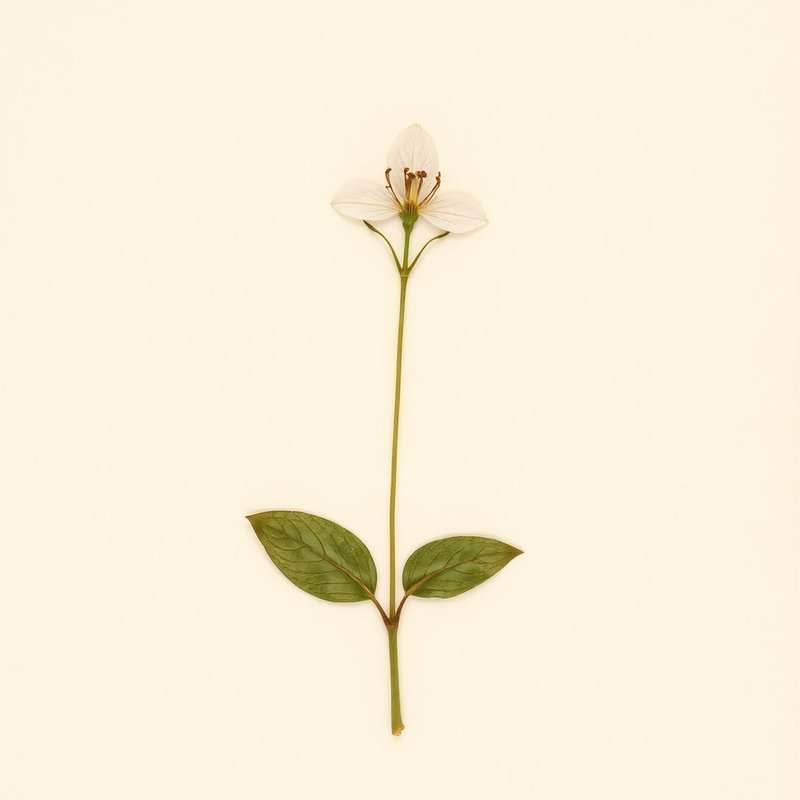
Trillium smallii, a perennial native to Japan and Sakhalin, is a light-loving plant that thrives in moist conditions. This species can grow up to 0.4 meters tall and prefers a variety of soil types—light (sandy), medium, or heavy (clay)—with a hardiness range of zones 4-8. It can tolerate partial sun/shade to full shade, making it adaptable to different growing environments. The fruit of Trillium smallii is edible and can be consumed raw or dried for later use, adding a unique flavor to dishes. This trillium species is both ornamental and practical, enhancing gardens with its aesthetic appeal while offering edible and medicinal benefits. While its use in traditional practices is documented, it is important to handle the plant with care and avoid any potential adverse reactions.
What is Trillium smallii?
Trillium smallii, a perennial native to Japan and Sakhalin, is a light-loving plant that thrives in moist conditions. This species can grow up to 0.4 meters tall and prefers a variety of soil types—light (sandy), medium, or heavy (clay)—with a hardiness range of zones 4-8.
IV·bMixology suggestions
1 draft
Mixology suggestions
1 draftVCultivation
Cultivation
How to grow Trillium smallii for the first time
Start with Skip by ensuring you have the right conditions and care, making it a simple yet rewarding project for beginners.
- 1
What you'll need
Skip bulbs or seeds, potting soil, container, watering can.
- 2
Best time to plant
Plant Skip in early spring or late fall when the ground is cool and moist.
- 3
Soil and container prep
Use a well-draining mix of light, medium, or heavy soil. Ensure your container has drainage holes.
- 4
Sowing or transplanting
Plant bulbs 5-10 cm deep in the center of the pot. For seeds, sow them on the surface and cover lightly.
- 5
First two weeks
Keep soil consistently moist but not waterlogged. Place in a partially shaded area to avoid direct sun.
- 6
Ongoing care
Provide partial shade during summer heat. Water when the top inch of soil feels dry. Fertilize sparingly with compost.
- 7
Harvest or pruning
Skip is not commonly harvested for its fruit, so focus on maintaining healthy foliage and flowers.
- 8
Common mistakes
Overwatering, planting in full sun, using heavy fertilizers, neglecting to provide shade during summer.
VIEdible & utility
Edible & utility
VIIDistribution
2 native · 0 introduced
Distribution
2 native · 0 introducedIXSpecimen gallery
1 image
Specimen gallery
1 imageExplore further
About this entry
- Last updated
- Citation
- How to cite this entry · Submit a correction
Continue reading
Get archive updates
Occasional email when substantial new content lands — plant profiles, seasonal growing notes, folk-remedy additions. Free, no tracking, unsubscribe anytime.