
Lime Berry
IOverview
Overview
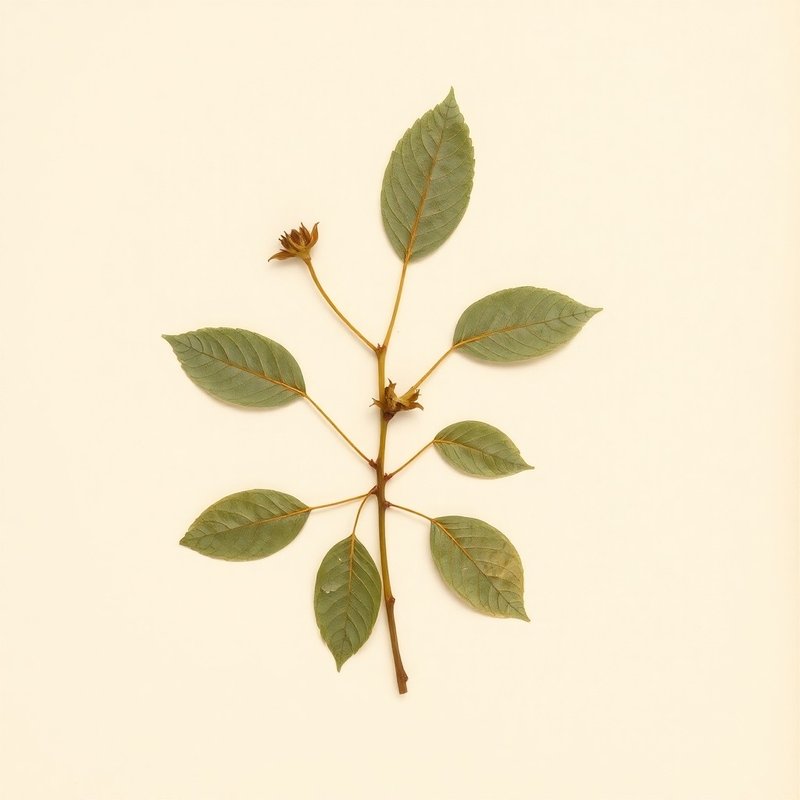
Lime Berry (Triphasia trifolia) is a versatile shrub or small tree native to various Southeast Asian and Pacific islands including Andaman Islands, Bangladesh, Borneo, Cambodia, Christmas Island, Cocos (Keeling) Islands, Java, Lesser Sunda Islands, Malaya, Maluku, Myanmar, New Guinea, Nicobar Islands, Philippines, Solomon Islands, and Vietnam. This plant thrives in full sun to partial shade and can adapt to a variety of soil types ranging from light sandy to heavy clay, though it prefers well-drained conditions. The fruit of the Lime Berry is edible, making it a valuable resource in local ecosystems. Lime Berry has been introduced into numerous regions including Bahamas, Belize, Brazil (Southeast and West-Central), Caroline Islands, Cayman Islands, Chagos Archipelago, Colombia, Cuba, Dominican Republic, El Salvador, Fiji, Florida, French Guiana, Guatemala, Guyana, Haiti, Hawaii, Honduras, Leeward Islands, Maldives, Mariana Islands, Mauritius, Nicaragua, Panama, Puerto Rico, Rodrigues, Réunion, Seychelles, Suriname, Texas, Trinidad and Tobago, Venezuela, Windward Islands, among others. Its adaptability to different environments allows it to flourish across a wide geographic area. While primarily known for its edible fruit, Lime Berry also has potential as a cosmetic ingredient due to its gum content. The plant can grow up to 3 meters tall and is hardy in zones 9-12. It may have weed potential in some areas where it is introduced, so careful management is recommended.
What is Lime Berry?
Lime Berry (Triphasia trifolia) is a versatile shrub or small tree native to various Southeast Asian and Pacific islands including Andaman Islands, Bangladesh, Borneo, Cambodia, Christmas Island, Cocos (Keeling) Islands, Java, Lesser Sunda Islands, Malaya, Maluku, Myanmar, New Gu
VCultivation
Cultivation
How to grow Lime Berry for the first time
Start with a simple Lime Berry planting to gain experience in caring for this shrub.
- 1
What you'll need
A young Lime Berry plant, well-draining soil, and a container or garden spot.
- 2
Best time to plant
Plant Lime Berry during the spring when temperatures are mild.
- 3
Soil and container prep
Ensure your soil is light (sandy), medium, or heavy with good drainage. Containers should be at least 1 meter in diameter.
- 4
Sowing or transplanting
Transplant the young plant into a prepared spot or pot, ensuring it has enough space to grow.
- 5
First two weeks
Water sparingly but ensure the soil does not dry out completely. Monitor for pests and diseases.
- 6
Ongoing care
Provide full sun exposure and water only when the soil is dry. Prune lightly to maintain shape.
- 7
Harvest or pruning
Prune in late winter to early spring to encourage new growth and remove any dead branches.
VIEdible & utility
Edible & utility
VIIDistribution
16 native · 34 introduced
Distribution
16 native · 34 introducedIXSpecimen gallery
1 image
Specimen gallery
1 imageExplore further
About this entry
- Last updated
- Citation
- How to cite this entry · Submit a correction
Continue reading
Get archive updates
Occasional email when substantial new content lands — plant profiles, seasonal growing notes, folk-remedy additions. Free, no tracking, unsubscribe anytime.