
Pretty Face
IOverview
Overview
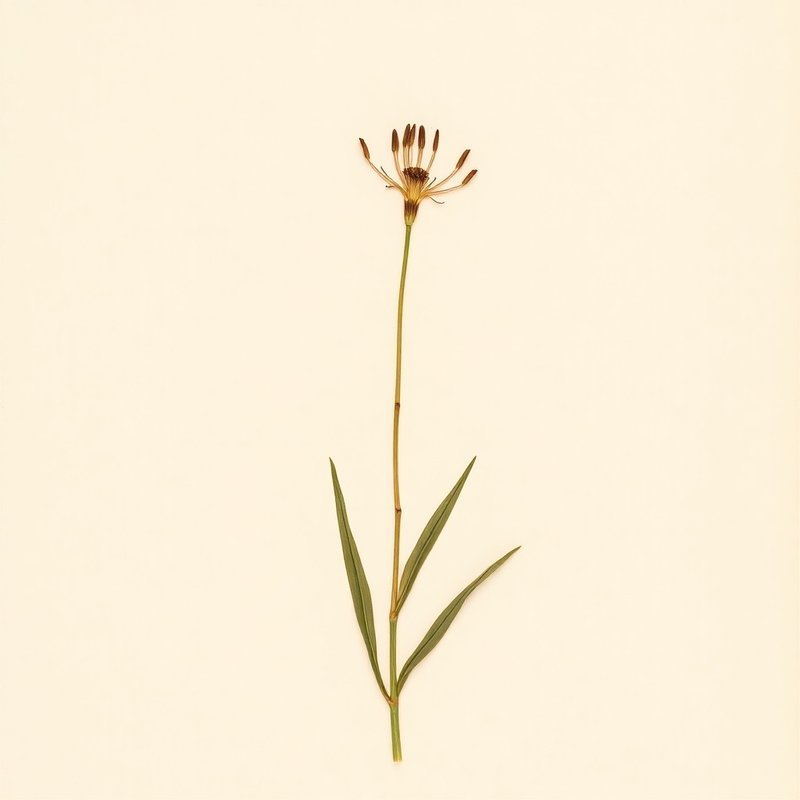
Pretty Face (Triteleia ixioides) is a flowering plant native to the coastal regions of California and Oregon, belonging to the Lily family. This hardy herb thrives in full sun or partial shade, adapting well to both dry and moist conditions, with a hardiness range of 6-9. It prefers light, sandy or medium soil types and can grow up to 0.6 meters tall. Known for its edible roots, which can be prepared raw or cooked, Pretty Face is not only ornamental but also a useful food source. Its attractive bell-shaped flowers add color and charm to the landscape. While the roots are edible, caution should be exercised when consuming wild plants, as proper identification is crucial to avoid confusion with toxic species. This plant is well-suited for gardens and natural landscapes, providing both aesthetic value and a sustainable food source in its native range.
What is Pretty Face?
Pretty Face (Triteleia ixioides) is a flowering plant native to the coastal regions of California and Oregon, belonging to the Lily family. This hardy herb thrives in full sun or partial shade, adapting well to both dry and moist conditions, with a hardiness range of 6-9.
VCultivation
Cultivation
How to grow Pretty Face for the first time
Start with planting Pretty Face in your garden for a simple and rewarding experience.
- 1
What you'll need
Triteleia ixioides bulbs, well-draining soil, a trowel.
- 2
Best time to plant
Plant in fall, around September or October.
- 3
Soil and container prep
Ensure the soil is light (sandy) to medium with good drainage. Amend if necessary.
- 4
Sowing or transplanting
Plant bulbs 3-4 inches deep and 6-8 inches apart in a sunny spot.
- 5
First two weeks
Water sparingly, just enough to settle the soil around the bulbs. Avoid overwatering.
- 6
Ongoing care
Provide full sun and keep the area dry during summer dormancy. Water lightly in spring if needed.
- 7
Harvest or pruning
After flowering, allow foliage to yellow and die back naturally before removing it.
- 8
Common mistakes
Overwatering, planting too deep, neglecting the dormant period.
VIEdible & utility
Edible & utility
VIIDistribution
2 native · 0 introduced
Distribution
2 native · 0 introducedIXSpecimen gallery
1 image
Specimen gallery
1 imageExplore further
About this entry
- Last updated
- Citation
- How to cite this entry · Submit a correction
Continue reading
Get archive updates
Occasional email when substantial new content lands — plant profiles, seasonal growing notes, folk-remedy additions. Free, no tracking, unsubscribe anytime.