
Triticale
Triticosecale spp
Educational content — not medical, botanical, or professional advice. Plant identification, safety, and edibility depend on local conditions, cultivars, and correct identification. Consult a qualified botanist or forager before consuming or handling wild specimens. How we source & review →
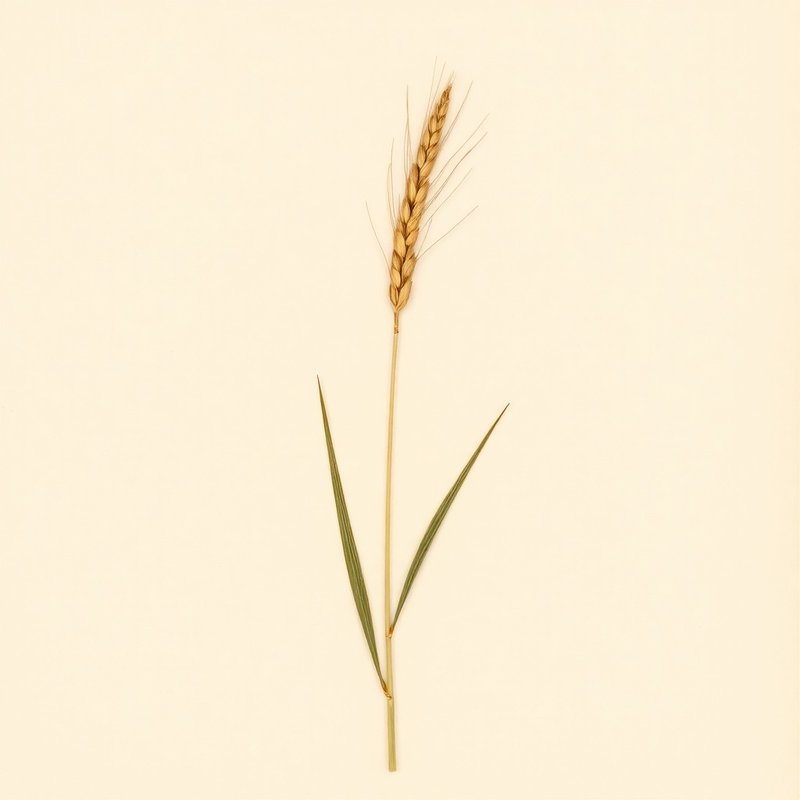
Pl. FF37 — Triticosecale spp
Triticosecale sppTriticosecale sppTriticosecale sppTriticosecale sppTriticosecale sppTriticosecale sppTriticosecale sppTriticosecale sppTriticosecale sppTriticosecale sppTriticosecale sppTriticosecale sppTriticosecale sppTriticosecale spp
IOverview
Overview
Triticale, scientifically known as Triticosecale spp., is an annual grass that belongs to the family Poaceae, making it a hybrid of wheat and rye. Native to Europe, this versatile plant thrives in various soil types—light (sandy), medium, and heavy (clay)—and prefers full sun with both dry and moist conditions. Triticale is known for its edible seeds, which are used in baking and as a nutritious grain alternative. One distinctive feature of triticale is its height, reaching about 1 meter; another notable characteristic is its graminoid habit, indicating it has a grass-like growth form.
Quick answers
What is Triticale?
Triticale, scientifically known as Triticosecale spp., is an annual grass that belongs to the family Poaceae, making it a hybrid of wheat and rye. Native to Europe, this versatile plant thrives in various soil types—light (sandy), medium, and heavy (clay)—and prefers full sun with both dry and moist conditions.
Growingconditions · propagation · uses
VCultivation
Cultivation
Triticale thrives in full sun and can adapt to various soil types, from light sandy to medium and heavy clay soils. It prefers dry to moist conditions but is not overly fussy about water. As an annual plant, triticale grows to a height of 1 meter and is best suited for gardeners looking to cultivate its seed as an edible part. While it can grow in temperate regions, hardiness zones are not specified. For successful propagation, sow seeds directly into the ground during the appropriate growing season.
Light
Full sun
Water
Dry, Moist
Soil
Light (sandy), Medium, Heavy (clay)
Life cycle
Annual
Habit
Graminoid
Mature size
1.0 m tall
For first-time growers
How to grow Triticale for the first time
7steps
Triticale is a straightforward annual grain for beginners, requiring minimal care once established.
- 1
What you'll need
Seeds or seedlings, a garden plot or container with drainage holes.
- 2
Best time to plant
Plant in early spring when the soil is workable and all danger of frost has passed.
- 3
Soil and container prep
Prepare loose, well-draining soil. Ensure containers are at least 30 cm deep with good drainage.
- 4
Sowing or transplanting
Direct sow seeds 2-3 cm deep, spacing them about 15 cm apart in rows 60 cm apart. Alternatively, start seedlings indoors and transplant when they have two sets of true leaves.
- 5
First two weeks
Keep the soil consistently moist until germination. Once established, reduce watering to avoid overwatering.
- 6
Ongoing care
Triticale requires full sun and regular weeding. Fertilize lightly with compost if needed. Monitor for pests like aphids.
- 7
Harvest or pruning
Cut the heads when they turn golden brown, usually 100-120 days after planting. Prune any dead leaves to maintain plant health.
VIEdible & utility
Edible & utility
Edible parts:Seed
Edible uses: Triticale seeds are the primary edible part of this plant. They can be harvested and consumed raw or cooked in various dishes. The seeds are also suitable for grinding into flour to make breads, pastas, and other baked goods.
Contextrange · companions · related
IXSpecimen gallery
1 image
Specimen gallery
1 imageXI
Explore further
Companion planting
XII
About this entry
- Last updated
- Citation
- How to cite this entry · Submit a correction
Back to the cataloguePlant id · ff374e27-9163-4682-9844-bbbbc66720f9
Decision aid
Choosing between Triticale and something else?
Continue reading
❦❦❦❦
Endpaper · archive updates
Get archive updates
Occasional email when substantial new content lands — plant profiles, seasonal growing notes, folk-remedy additions. Free, no tracking, unsubscribe anytime.