
Triticum aestivum
Triticum aestivum
Educational content — not medical, botanical, or professional advice. Plant identification, safety, and edibility depend on local conditions, cultivars, and correct identification. Consult a qualified botanist or forager before consuming or handling wild specimens. How we source & review →
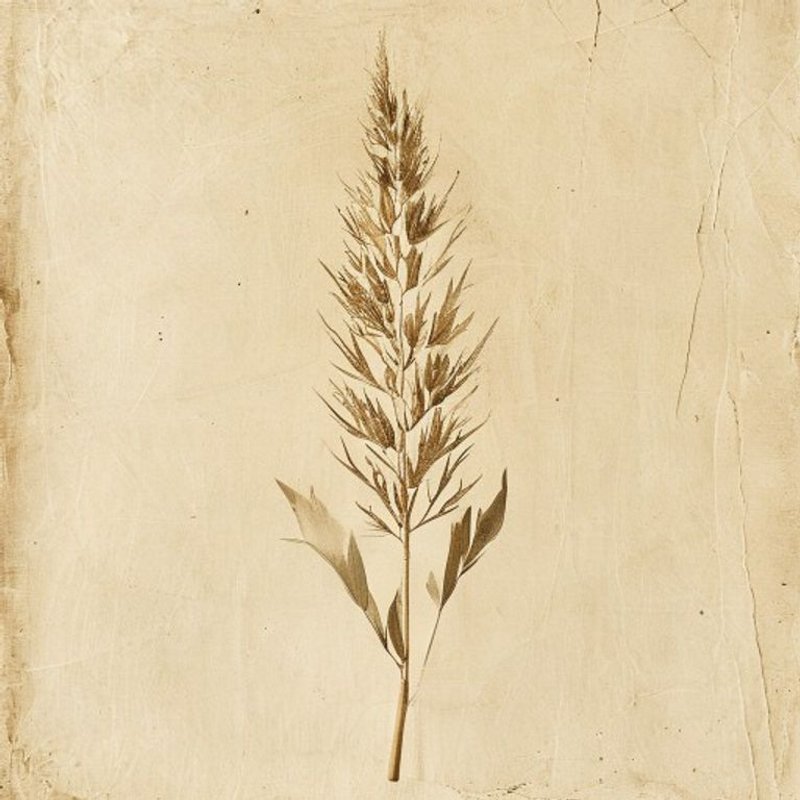
Pl. 7F64 — Triticum aestivum
Triticum aestivumTriticum aestivumTriticum aestivumTriticum aestivumTriticum aestivumTriticum aestivumTriticum aestivumTriticum aestivumTriticum aestivumTriticum aestivumTriticum aestivumTriticum aestivumTriticum aestivumTriticum aestivum
IOverview
Overview
Triticum aestivum, commonly known as wheat, is a widely cultivated annual grass native to regions including India, Iran, Lebanon-Syria, Pakistan, Palestine, Transcaucasus, Turkey, and West Himalaya. This plant thrives in moist conditions with light (sandy), medium, or heavy (clay) soil types, showing particular adaptability within pH ranges of 5.5 to 8. Known for its edible parts—specifically the seed—wheat is a staple crop globally. One distinctive feature of this plant is its habit as a graminoid, reaching heights of about 1.5 meters, making it recognizable in agricultural landscapes.
Quick answers
What is Triticum aestivum?
Triticum aestivum, commonly known as wheat, is a widely cultivated annual grass native to regions including India, Iran, Lebanon-Syria, Pakistan, Palestine, Transcaucasus, Turkey, and West Himalaya.
Growingconditions · propagation · uses
VCultivation
Cultivation
Triticum aestivum thrives in light to moist conditions and prefers well-drained soils that are light (sandy), medium, or heavy (clay). It is hardy in temperate regions with a range of 10-12 on the USDA Hardiness Zone scale. This annual plant grows up to 1.5 meters tall and requires a soil pH between 5.5 and 8 for optimal growth. For cultivation, ensure the garden receives adequate sunlight while maintaining consistent moisture levels. Propagate through seed planting directly in the ground or start indoors before transplanting outside.
Light
9/10
Water
Moist
Soil
Light (sandy), Medium, Heavy (clay)
Hardiness
10-12
Life cycle
Annual
Habit
Graminoid
Mature size
1.5 m tall
Soil pH
5.5–8
For first-time growers
How to grow Triticum aestivum for the first time
8steps
Start with Triticum aestivum as a simple, rewarding project for beginners.
- 1
What you'll need
A packet of wheat seeds, a garden plot or large container, and basic gardening tools like a spade and rake.
- 2
Best time to plant
Plant in early spring when the soil is workable and temperatures are mild.
- 3
Soil and container prep
Prepare loose, well-draining soil with a pH between 5.5 and 8. Mix in some organic matter if needed.
- 4
Sowing or transplanting
Plant seeds about 2-3 cm deep and 10-15 cm apart. Cover lightly with soil.
- 5
First two weeks
Keep the soil moist but not waterlogged. Thin out seedlings if they grow too close together.
- 6
Ongoing care
Water regularly, especially during dry spells. Fertilize once or twice a season with compost.
- 7
Harvest or pruning
Cut the wheat when the heads are golden brown and the seeds are hard. Prune away dead leaves to keep plants healthy.
- 8
Common mistakes
Overwatering, planting too deep, neglecting to thin seedlings, not providing enough sunlight, and using chemical fertilizers or pesticides.
VIEdible & utility
Edible & utility
Edible parts:Seed
Edible uses: The seeds of Triticum aestivum, commonly known as wheat, are edible and are typically harvested for human consumption. They can be eaten raw but are more commonly prepared by grinding into flour or cooked in various forms such as bread, pasta, and porridge. Dried seeds can also be used to make flour or brewed into a beverage similar to beer.
Other uses:BiomassMulchtextilesStarch
Contextrange · companions · related
VIIDistribution
8 native · 22 introduced
Distribution
8 native · 22 introducedDistribution across4 continents· 8 native· 22 introduced
Europe5 regions
introduced (5)AustriaBelarusBelgiumBulgariaSpain
Asia8 regions
native (5)IndiaIranPakistanPalestineTurkey
introduced (3)AfghanistanBangladeshIndia
Americas1 region
introduced (1)United States
Africa1 region
introduced (1)Algeria
Broader regions
native:West Himalaya, Lebanon-Syria, Transcaucasus
introduced:Alberta, Brazil South, Brazil West-Central, Amur, Baltic States, Alabama, Arkansas, Arizona, Antipodean Is., Brazil Southeast, British Columbia, Jawa
IXSpecimen gallery
1 image
Specimen gallery
1 imageXI
Explore further
Companion planting
Growing zone
XII
About this entry
- Last updated
- Citation
- How to cite this entry · Submit a correction
Back to the cataloguePlant id · 7f649a09-b536-4081-8b1c-59ab0e6e06b1
Decision aid
Choosing between Triticum aestivum and something else?
Continue reading
❦❦❦❦
Endpaper · archive updates
Get archive updates
Occasional email when substantial new content lands — plant profiles, seasonal growing notes, folk-remedy additions. Free, no tracking, unsubscribe anytime.