
Emmer
Triticum turgidum dicoccon
Educational content — not medical, botanical, or professional advice. Plant identification, safety, and edibility depend on local conditions, cultivars, and correct identification. Consult a qualified botanist or forager before consuming or handling wild specimens. How we source & review →
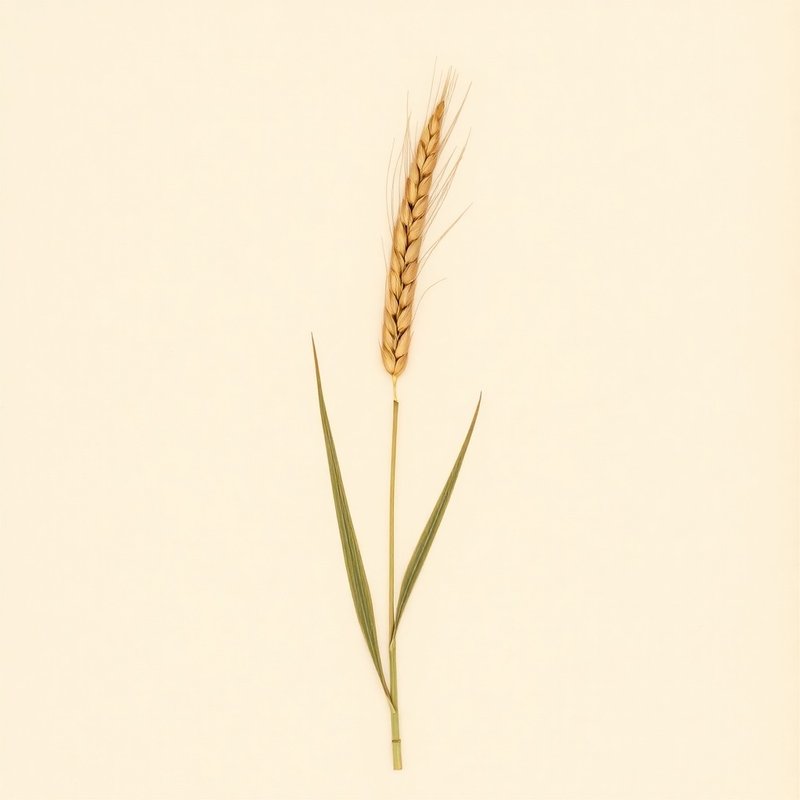
Pl. B4A9 — Triticum turgidum dicoccon
Triticum turgidum dicocconTriticum turgidum dicocconTriticum turgidum dicocconTriticum turgidum dicocconTriticum turgidum dicocconTriticum turgidum dicocconTriticum turgidum dicocconTriticum turgidum dicocconTriticum turgidum dicocconTriticum turgidum dicocconTriticum turgidum dicocconTriticum turgidum dicocconTriticum turgidum dicocconTriticum turgidum dicoccon
IOverview
Overview
Emmer, scientifically known as Triticum turgidum dicoccon, is an annual graminoid native to Turkey. This ancient grain has been cultivated for thousands of years and remains popular in various culinary traditions. Emmer thrives in full sun but can tolerate dry to moist conditions, making it adaptable to different soil types ranging from light (sandy) to heavy (clay). Its distinctive feature is the presence of two endosperm layers within the grain, which contributes to its unique texture and flavor when cooked. The edible part of emmer is its seed, which can be used in a variety of dishes, from soups and stews to bread and pasta.
Quick answers
What is Emmer?
Emmer, scientifically known as Triticum turgidum dicoccon, is an annual graminoid native to Turkey. This ancient grain has been cultivated for thousands of years and remains popular in various culinary traditions.
Growingconditions · propagation · uses
VCultivation
Cultivation
Emmer thrives in full sun and prefers well-draining soil that can be light (sandy), medium, or heavy (clay). It is adaptable to both dry and moist conditions but generally requires less frequent watering once established. This annual plant grows best in temperate regions and should be sown directly into the garden bed where it will grow. Harvest the seeds when they are fully ripe for use as an edible part of your garden.
Light
Full sun
Water
Dry, Moist
Soil
Light (sandy), Medium, Heavy (clay)
Life cycle
Annual
Habit
Graminoid
For first-time growers
How to grow Emmer for the first time
8steps
Emmer is a straightforward annual grain for beginners to grow.
- 1
What you'll need
Seeds, a garden or container with soil, water, and sunlight.
- 2
Best time to plant
Plant in spring after the last frost, when temperatures are mild.
- 3
Soil and container prep
Choose well-draining soil; amend containers if necessary. Ensure containers are at least 12 inches deep.
- 4
Sowing or transplanting
Direct sow seeds 0.5 to 1 inch deep, spacing them about 6 inches apart in rows 18 inches apart.
- 5
First two weeks
Keep soil consistently moist until germination; thin seedlings if necessary.
- 6
Ongoing care
Water when the top inch of soil is dry. Fertilize lightly once or twice during the growing season.
- 7
Harvest or pruning
Cut down the plants after the heads have dried and turned brown, usually in late summer to early fall.
- 8
Common mistakes
Overwatering, planting too deep, neglecting to thin seedlings, not providing enough space between plants.
VIEdible & utility
Edible & utility
Edible parts:Seed
Edible uses: Emmer seeds are edible and can be consumed raw or cooked. They are often prepared by boiling or baking to add to dishes like soups, stews, or as a grain alternative in breads and pastas. Skip the detailed recipe instructions; focus on these basic preparation methods.
Other uses:BiomassMulchtextilesStarch
Contextrange · companions · related
VIIDistribution
1 native · 29 introduced
Distribution
1 native · 29 introducedDistribution across3 continents· 1 native· 29 introduced
Europe16 regions
introduced (16)AlbaniaAustriaBelarusDenmarkFranceGermanyGreeceHungaryItalyNetherlandsPolandPortugalRomaniaRussiaUkraineUnited Kingdom
Asia6 regions
native (1)Turkey
introduced (5)IndiaIranIraqKazakhstanPalestine
Africa4 regions
introduced (4)AlgeriaEgyptEthiopiaMorocco
Broader regions
introduced:Czechoslovakia, Lebanon-Syria
IXSpecimen gallery
1 image
Specimen gallery
1 imageXI
Explore further
Companion planting
XII
About this entry
- Last updated
- Citation
- How to cite this entry · Submit a correction
Back to the cataloguePlant id · b4a9dfaf-c1d1-4890-8c16-2d19bd9ff768
Decision aid
Choosing between Emmer and something else?
Continue reading
❦❦❦❦
Endpaper · archive updates
Get archive updates
Occasional email when substantial new content lands — plant profiles, seasonal growing notes, folk-remedy additions. Free, no tracking, unsubscribe anytime.