
Marama Bean
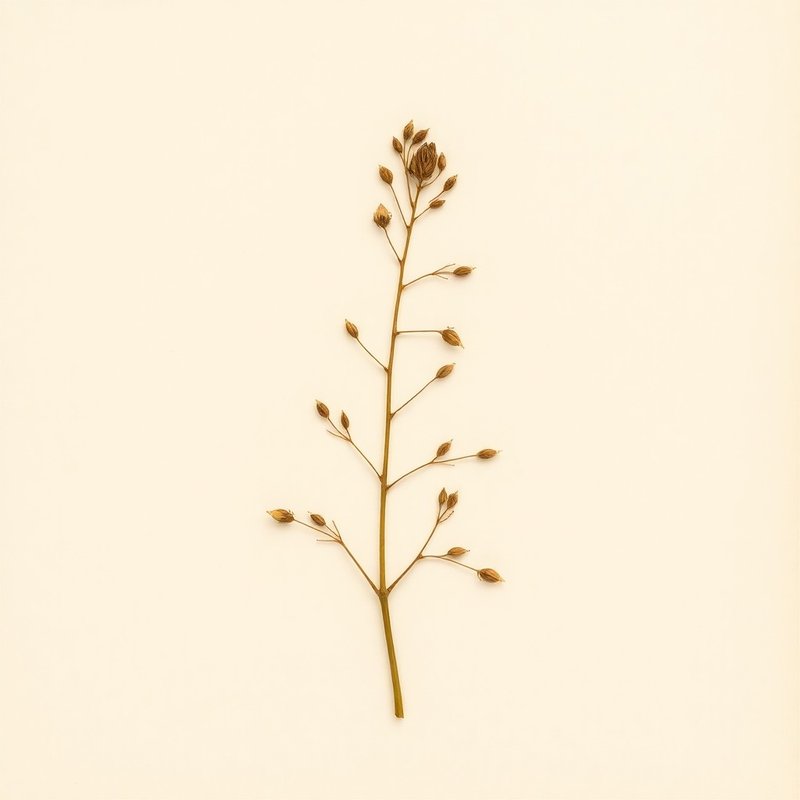
IOverview
Overview
Marama Bean, scientifically known as Tylosema esculentum, is a perennial plant native to the arid and semi-arid regions of Angola, Botswana, Cape Provinces, Namibia, Northern Provinces, and Zimbabwe. This hardy plant thrives in full sun and prefers light (sandy) or medium soils, growing up to 1 meter tall. Marama Bean is known for its edible roots and seeds, which are a valuable food source in the region. One distinctive feature of this plant is its ability to store water in its fleshy roots, making it well-adapted to survive in harsh environments. The plant is also useful as a ground cover and can be propagated through seeds, which have a viability of 3-5 years. While Marama Bean is not medicinal, its edible parts make it a valuable resource in its native regions. Its hardiness and drought-resistant nature make it a suitable choice for gardens in temperate regions, specifically zones 10-12.
What is Marama Bean?
Marama Bean, scientifically known as Tylosema esculentum, is a perennial plant native to the arid and semi-arid regions of Angola, Botswana, Cape Provinces, Namibia, Northern Provinces, and Zimbabwe. This hardy plant thrives in full sun and prefers light (sandy) or medium soils, growing up to 1 meter tall.
VCultivation
Cultivation
- Seed viability
- 3-5 years
How to grow Marama Bean for the first time
Start with Marama Bean as a simple, low-maintenance perennial for your garden.
- 1
What you'll need
Seeds or seedlings, potting mix, container or well-draining soil.
- 2
Best time to plant
Plant in late winter to early spring when the weather starts warming up.
- 3
Soil and container prep
Use a light, sandy soil with good drainage. Ensure containers are at least 30 cm deep.
- 4
Sowing or transplanting
Direct sow seeds about 2-3 cm deep in the soil. Transplant seedlings gently to avoid damaging roots.
- 5
First two weeks
Water sparingly but ensure the soil does not dry out completely. Keep the plant in a sunny spot.
- 6
Ongoing care
Provide full sun and minimal watering, allowing the soil to dry between waterings. Prune lightly if needed for shape.
- 7
Harvest or pruning
No specific harvesting is necessary. Focus on maintaining plant health through regular observation.
- 8
Common mistakes
Overwatering, planting in heavy soils, neglecting to provide full sun.
VIEdible & utility
Edible & utility
VIIDistribution
6 native · 0 introduced
Distribution
6 native · 0 introducedIXSpecimen gallery
1 image
Specimen gallery
1 imageExplore further
About this entry
- Last updated
- Citation
- How to cite this entry · Submit a correction
Continue reading
Get archive updates
Occasional email when substantial new content lands — plant profiles, seasonal growing notes, folk-remedy additions. Free, no tracking, unsubscribe anytime.