
Typha bungeana
Typha bungeana
Educational content — not medical, botanical, or professional advice. Plant identification, safety, and edibility depend on local conditions, cultivars, and correct identification. Consult a qualified botanist or forager before consuming or handling wild specimens. How we source & review →
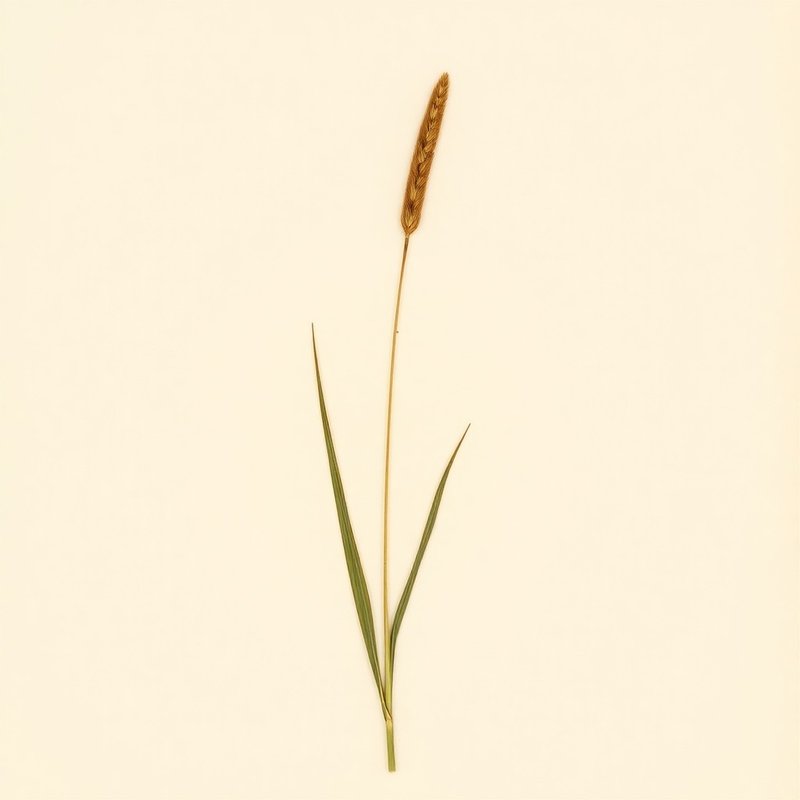
Pl. 7C47 — Typha bungeana
Typha bungeanaTypha bungeanaTypha bungeanaTypha bungeanaTypha bungeanaTypha bungeanaTypha bungeanaTypha bungeanaTypha bungeanaTypha bungeanaTypha bungeanaTypha bungeanaTypha bungeanaTypha bungeana
IOverview
Overview
Typha bungeana, a perennial plant native to regions like Afghanistan and Bulgaria, thrives in wet environments such as marshes and along waterways. Known for its edible parts including flowers, leaves, pollen, roots, seeds, shoots, and stems, this plant is valued both for its culinary uses and its ability to purify water through its extensive root system. Its light-loving nature and preference for soil pH between 7 and 7.5 make it adaptable in various settings. One distinctive feature of Typha bungeana is its broad, flat leaves that can grow up to several feet long, creating a striking presence in wetland habitats.
Quick answers
What is Typha bungeana?
Typha bungeana, a perennial plant native to regions like Afghanistan and Bulgaria, thrives in wet environments such as marshes and along waterways.
Growingconditions · propagation · uses
VCultivation
Cultivation
Typha bungeana thrives in wet conditions and prefers light to heavy soils with a pH of 7-7.5. It is hardy in temperate regions but can be found growing across various habitats from Afghanistan to Ukraine. This perennial plant requires plenty of water and can tolerate both sandy and clay soil types, making it adaptable for gardeners with different soil conditions. For propagation, division or seed sowing are effective methods. Harvest edible parts such as flowers, leaves, pollen, roots, seeds, shoots, and stems throughout the growing season.
Light
8/10
Water
Wet, Water
Soil
Light (sandy), Medium, Heavy (clay)
Life cycle
Perennial
Soil pH
7–7.5
For first-time growers
How to grow Typha bungeana for the first time
8steps
Start with a simple planting of Typha bungeana to observe its growth and beauty.
- 1
What you'll need
A container or garden bed, suitable soil, and some Typha bungeana plants.
- 2
Best time to plant
Plant in spring after the last frost or in early fall before the first freeze.
- 3
Soil and container prep
Use a well-draining soil with a pH of 7-7.5, ensuring it's light (sandy), medium, or heavy (clay).
- 4
Sowing or transplanting
Transplant young plants from nurseries or divide mature clumps in early spring.
- 5
First two weeks
Keep the soil consistently moist and avoid direct sunlight for a few days after planting.
- 6
Ongoing care
Provide plenty of water, especially during dry spells. Cut back on watering in winter.
- 7
Harvest or pruning
Prune dead foliage in late winter to maintain the plant's health and appearance.
- 8
Common mistakes
Overwatering, planting in too heavy soil, neglecting winter protection, and not providing enough light.
VIEdible & utility
Edible & utility
Edible parts:FlowersLeavesPollenRootSeedShootsStem
Edible uses: Oil
Other uses:BiomasstextilesoilErosion controlFire starterWeaving material
Contextrange · companions · related
VIIDistribution
30 native · 0 introduced
Distribution
30 native · 0 introducedDistribution across2 continents· 30 native
Europe5 regions
native (5)AlbaniaBulgariaGreeceRomaniaRussia
Asia8 regions
native (8)AfghanistanChinaIranJapanKazakhstanMongoliaPakistanSouth Korea
Broader regions
native:Altay, Amur, Buryatiya, Chita, Irkutsk, Khabarovsk, Kirgizstan, Krasnoyarsk, Primorye, Sakhalin
IXSpecimen gallery
1 image
Specimen gallery
1 imageXI
Explore further
Companion planting
XII
About this entry
- Last updated
- Citation
- How to cite this entry · Submit a correction
Back to the cataloguePlant id · 7c47a457-f19e-4bf9-85cf-57593d4fdc0b
Decision aid
Choosing between Typha bungeana and something else?
Continue reading
❦❦❦❦
Endpaper · archive updates
Get archive updates
Occasional email when substantial new content lands — plant profiles, seasonal growing notes, folk-remedy additions. Free, no tracking, unsubscribe anytime.