
Cat's Claw
IOverview
Overview
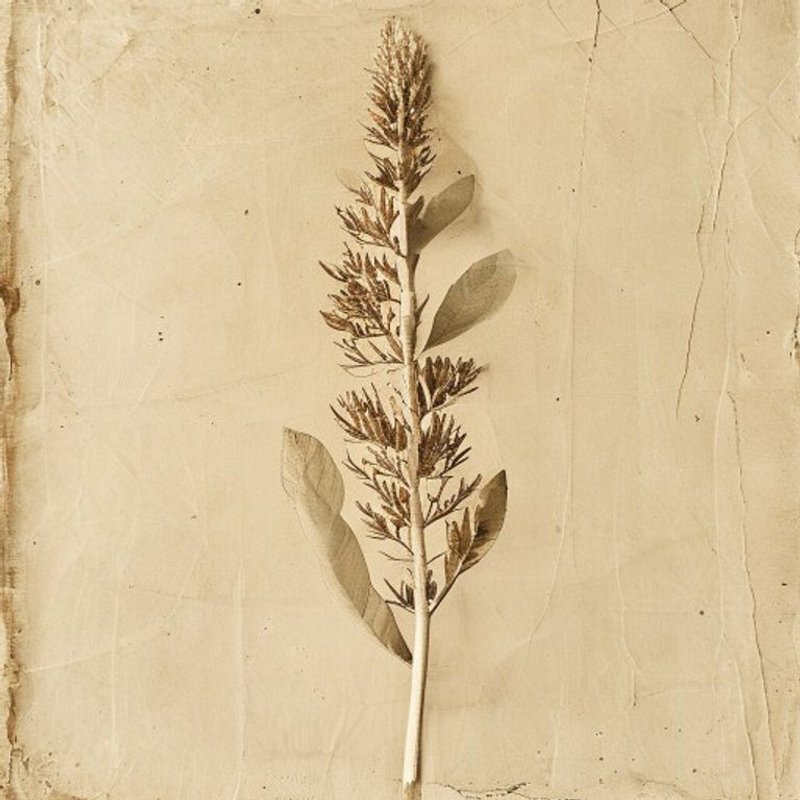
Cat's Claw (Uncaria guianensis), a woody vine native to the tropical and subtropical regions of South America, including countries such as Bolivia, Brazil, Colombia, Ecuador, French Guiana, Guyana, Paraguay, Peru, Suriname, Trinidad-Tobago, and Venezuela, thrives in light, full sun conditions with moist, well-drained soil that can be sandy or medium. This plant, part of the Rubiaceae family, is known for its edible parts, particularly the sap and stem, making it valuable as both an ornamental and food source. Cat's Claw is recognized for its large, showy flowers, often vibrant red or orange, which add a striking touch to any garden setting. While traditionally used for immune support, Cat's Claw should be used with caution and only as part of an overall health regimen, as PlantSage presents this as ethnobotanical context, not as medical advice.
What is Cat's Claw?
Cat's Claw (Uncaria guianensis), a woody vine native to the tropical and subtropical regions of South America, including countries such as Bolivia, Brazil, Colombia, Ecuador, French Guiana, Guyana, Paraguay, Peru, Suriname, Trinidad-Tobago, and Venezuela, thrives in light, full s
What is Cat's Claw used for?
Traditionally used for immune support. Each claim is evidence-rated — see Section II for full citations.
IIBenefits & evidence
1 claim · traditional-use context
Benefits & evidence
1 claim · traditional-use context- Traditional-use note: Cat's Claw appears in herbal sources around seasonal wellness traditions, often as a traditional preparation. PlantSage presents this as ethnobotanical context, not as medical advice.
Traditional context only. This reviewed claim keeps the original low confidence level, but avoids treatment, disease, dosage, or guaranteed-effect language.
▲ LimitedImmune support →
IV·bMixology suggestions
1 draft
Mixology suggestions
1 draftVCultivation
Cultivation
How to grow Cat's Claw for the first time
Start with a simple, light-loving sapling for your first Cat's Claw experience.
- 1
What you'll need
A young Cat's Claw plant and some basic gardening tools like pruners.
- 2
Best time to plant
Plant in spring when the weather is warm and stable.
- 3
Soil and container prep
Use a well-draining potting mix suitable for light soil conditions.
- 4
Sowing or transplanting
Transplant your Cat's Claw sapling into a large container with good drainage holes.
- 5
First two weeks
Keep the soil moist and place it in full sun, ensuring it gets plenty of light.
- 6
Ongoing care
Water regularly to maintain moisture levels but avoid overwatering. Provide ample sunlight.
- 7
Harvest or pruning
Prune lightly to encourage bushy growth and remove any dead or damaged stems.
- 8
Common mistakes
Overwatering, planting in heavy soil, not providing enough light, and neglecting regular pruning.
VIEdible & utility
Edible & utility
VIIDistribution
13 native · 0 introduced
Distribution
13 native · 0 introducedIXSpecimen gallery
1 image
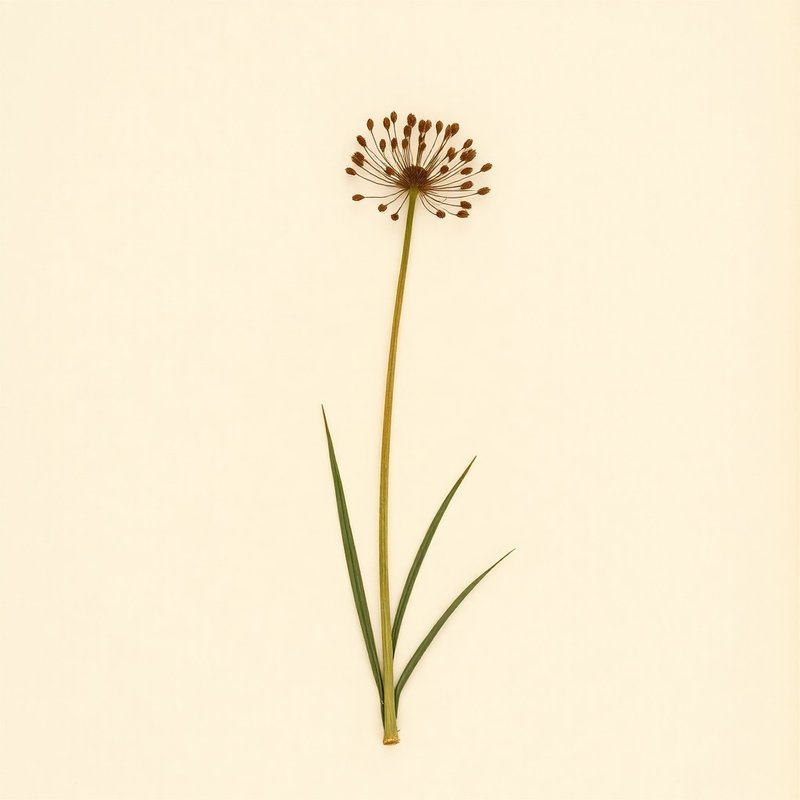
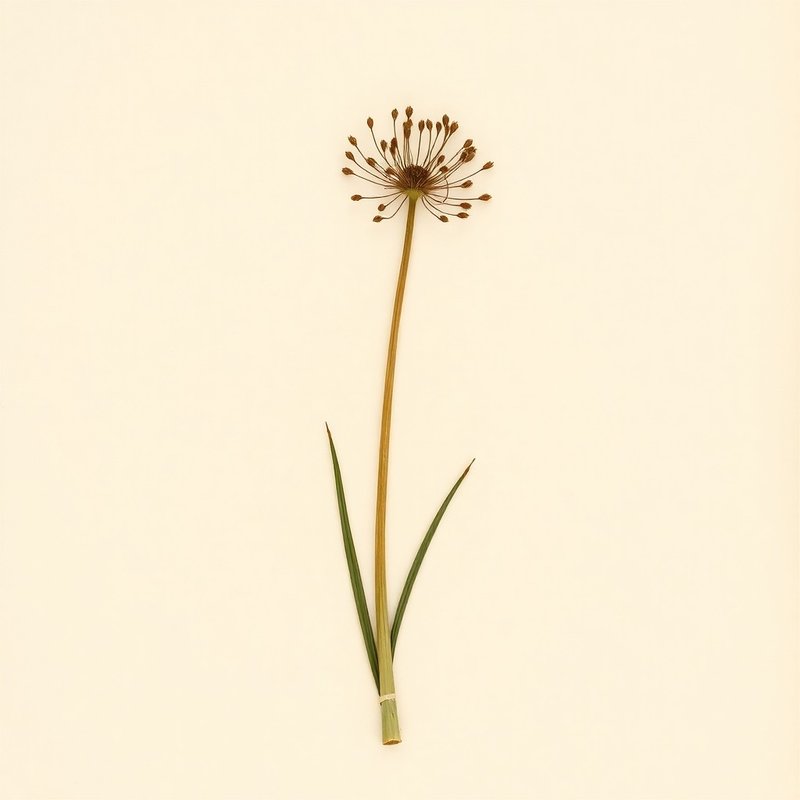
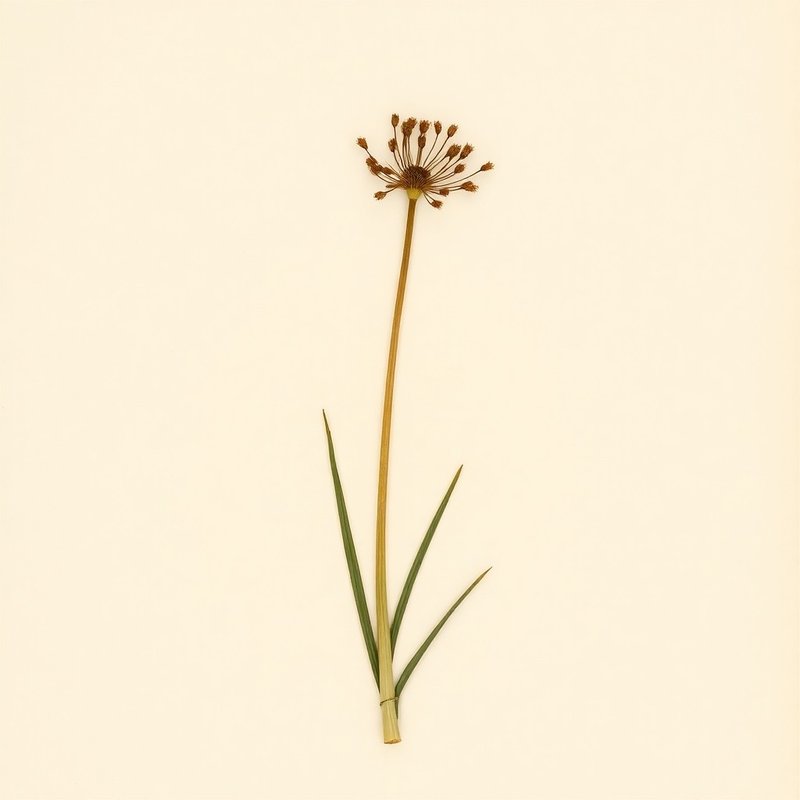
Specimen gallery
1 imageXSee also
8 related
See also
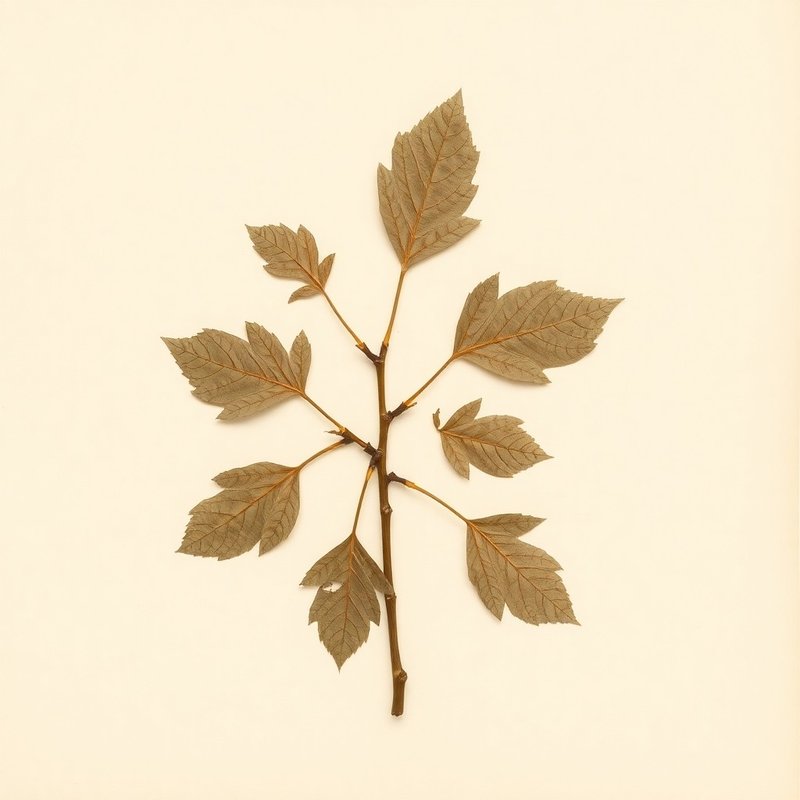
8 relatedPlants you might compare or use together — scored by shared family, common use cases, and growing requirements.


Explore further
About this entry
- Last updated
- Citation
- How to cite this entry · Submit a correction
Continue reading
Get archive updates
Occasional email when substantial new content lands — plant profiles, seasonal growing notes, folk-remedy additions. Free, no tracking, unsubscribe anytime.