
Bladderwort
Utricularia vulgaris
Educational content — not medical, botanical, or professional advice. Plant identification, safety, and edibility depend on local conditions, cultivars, and correct identification. Consult a qualified botanist or forager before consuming or handling wild specimens. How we source & review →
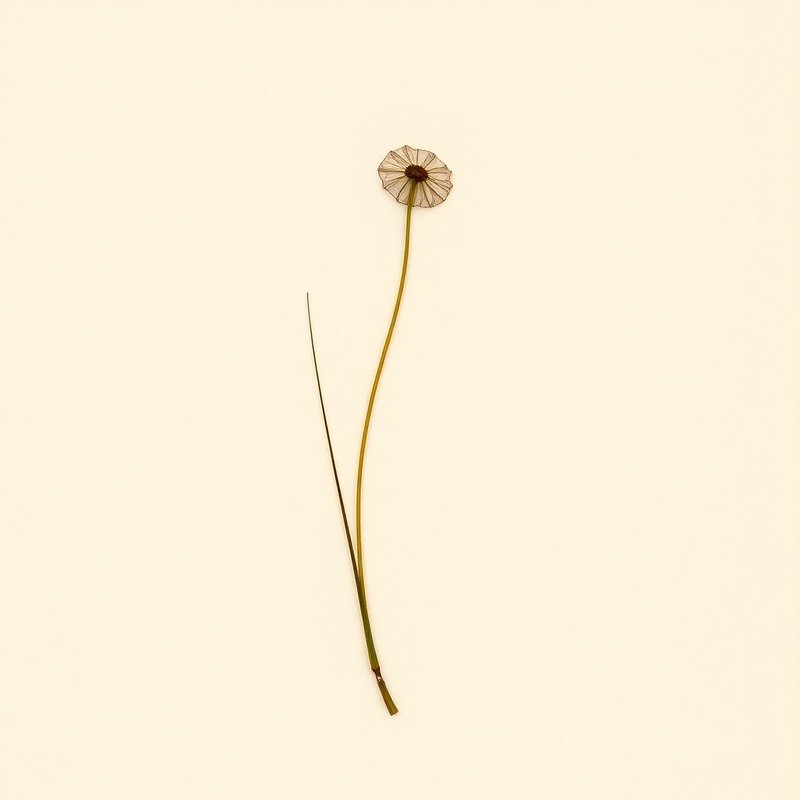
Pl. 3825 — Utricularia vulgaris
Utricularia vulgarisUtricularia vulgarisUtricularia vulgarisUtricularia vulgarisUtricularia vulgarisUtricularia vulgarisUtricularia vulgarisUtricularia vulgarisUtricularia vulgarisUtricularia vulgarisUtricularia vulgarisUtricularia vulgarisUtricularia vulgarisUtricularia vulgaris
IOverview
Overview
Bladderwort (Utricularia vulgaris) is a perennial aquatic plant known for its distinctive bladder-like traps that capture small organisms in water. Native to regions including Afghanistan, Albania, and Algeria, this plant thrives in light to medium soil types with a pH between 5.5 and 6.5. It can be found across Europe, Asia, and North Africa, from the Altay Mountains to West Siberia. Bladderwort is valued for its edible leaves and roots, which are often consumed as part of traditional cuisine. Its light requirements and hardiness range from zone 4 to 8 make it adaptable in various climates.
Quick answers
What is Bladderwort?
Bladderwort (Utricularia vulgaris) is a perennial aquatic plant known for its distinctive bladder-like traps that capture small organisms in water. Native to regions including Afghanistan, Albania, and Algeria, this plant thrives in light to medium soil types with a pH between 5.
Growingconditions · propagation · uses
VCultivation
Cultivation
Bladderwort thrives in light to medium soils with a pH between 5.5 and 6.5. It prefers moist conditions but can tolerate various soil types including sandy, medium, and clay-heavy soils. This perennial plant is hardy in temperate regions, generally surviving in zones 4-8. For cultivation, ensure the plant receives adequate water, as it requires a consistently moist environment. The edible parts include leaves and roots, making it versatile for gardeners interested in both ornamental and culinary uses. Skip if your area falls outside its native range or if you cannot provide the necessary moisture levels.
Light
6/10
Water
Water
Soil
Light (sandy), Medium, Heavy (clay)
Hardiness
4-8
Life cycle
Perennial
Soil pH
5.5–6.5
Seasonal calendar
Northern hemisphere · UTC month is September
winterspringsummerautumnwinter
BloomJFMAMJJASOND
For first-time growers
How to grow Bladderwort for the first time
8steps
Bladderwort is a low-maintenance plant that's perfect for beginners looking to try something unique.
- 1
What you'll need
A container, potting soil with good drainage, and some bladderwort plants or seeds.
- 2
Best time to plant
Plant in spring when the weather starts warming up.
- 3
Soil and container prep
Use a container with holes for drainage. Fill it with potting soil that's light, medium, or heavy but well-draining.
- 4
Sowing or transplanting
Transplant bladderwort plants from another source or sow seeds directly into the soil in your container.
- 5
First two weeks
Keep the soil moist and place the container in a bright spot, but avoid direct sunlight.
- 6
Ongoing care
Water when the top inch of soil feels dry. Ensure good drainage to prevent root rot.
- 7
Harvest or pruning
Prune dead leaves and stems to encourage new growth and a healthier plant.
- 8
Common mistakes
Overwatering, using heavy clay soil, and placing in full sun are common pitfalls for beginners.
VIEdible & utility
Edible & utility
Edible parts:LeavesRoot
Edible uses: Drink
Contextrange · companions · related
VIIDistribution
30 native · 0 introduced
Distribution
30 native · 0 introducedDistribution across3 continents· 30 native
Europe15 regions
native (15)AlbaniaAustriaBelarusBelgiumBulgariaDenmarkFinlandFranceGermanyGreeceHungaryIrelandItalyRussiaUnited Kingdom
Asia3 regions
native (3)AfghanistanIranKazakhstan
Africa2 regions
native (2)AlgeriaBurundi
Broader regions
native:Altay, Baltic States, Buryatiya, Chita, Czechoslovakia, Føroyar, Irkutsk, Kirgizstan, Krasnoyarsk
IXSpecimen gallery
1 image
Specimen gallery
1 imageXI
Explore further
Companion planting
Growing zone
XII
About this entry
- Last updated
- Citation
- How to cite this entry · Submit a correction
Back to the cataloguePlant id · 3825a5e9-67f8-42af-add3-a41eff062708
Decision aid
Choosing between Bladderwort and something else?
Continue reading
❦❦❦❦
Endpaper · archive updates
Get archive updates
Occasional email when substantial new content lands — plant profiles, seasonal growing notes, folk-remedy additions. Free, no tracking, unsubscribe anytime.