
Italian Corn Salad
IOverview
Overview
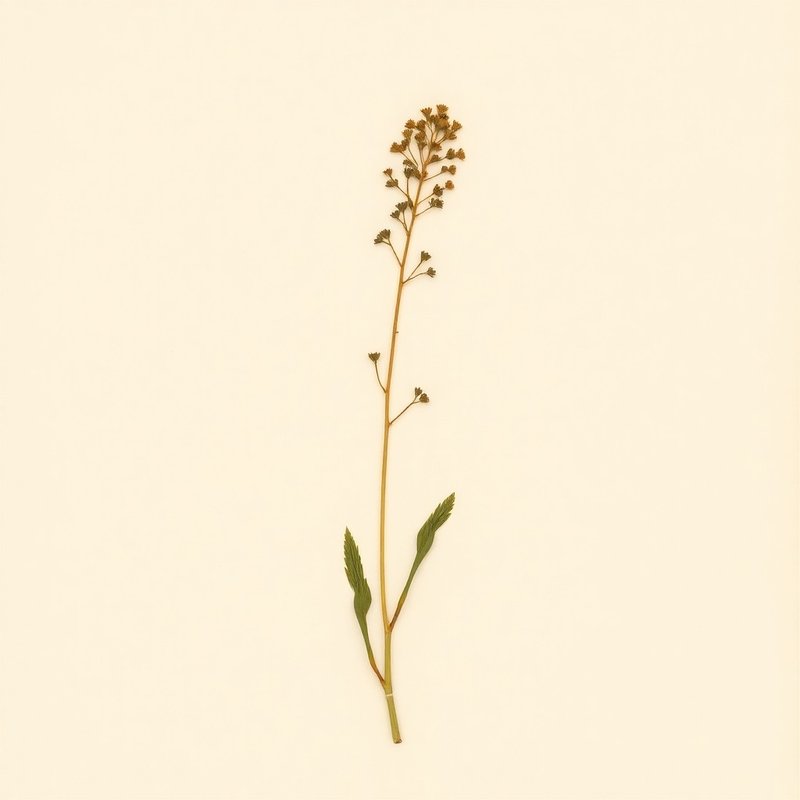
Italian Corn Salad, scientifically known as Valerianella eriocarpa, is an annual plant native to regions including Cyprus, East Aegean Islands, Greece, Iran, Iraq, Lebanon-Syria, North Caucasus, Pakistan, Palestine, Saudi Arabia, Tajikistan, Transcaucasus, Turkey, Turkey-in-Europe, Turkmenistan, Uzbekistan, and West Himalaya. Thriving in a variety of soil types—ranging from light sandy to heavy clay—and under full sun conditions, this plant is adaptable to diverse environments, including both dry and moist areas. The leaves of Italian Corn Salad are edible and can be eaten raw or cooked, making it a valuable addition to culinary dishes. They offer a mild, slightly bitter taste and are often used fresh in salads. This plant's native range extends across the Mediterranean and Middle Eastern regions, from North Caucasus to West Himalaya, showcasing its adaptability and widespread presence. One distinctive feature of Italian Corn Salad is its ability to grow in diverse environments, making it a versatile choice for gardeners looking to add an edible green to their landscape. For cultivation, ensure the soil is well-drained and provide consistent moisture throughout the growing season. Given its native range in temperate regions, it should be hardy in similar climates. Propagation can be done through seeds sown directly into the garden bed in spring or early summer.
What is Italian Corn Salad?
Italian Corn Salad, scientifically known as Valerianella eriocarpa, is an annual plant native to regions including Cyprus, East Aegean Islands, Greece, Iran, Iraq, Lebanon-Syria, North Caucasus, Pakistan, Palestine, Saudi Arabia, Tajikistan, Transcaucasus, Turkey, Turkey-in-Europ
VCultivation
Cultivation
How to grow Italian Corn Salad for the first time
Italian Corn Salad is a simple annual to grow, perfect for beginners.
- 1
What you'll need
Seeds or seedlings, a small trowel, and a watering can.
- 2
Best time to plant
Plant in spring after the last frost, or in late summer for a fall harvest.
- 3
Soil and container prep
Choose a spot with full sun. Prepare soil that is light (sandy), medium, or heavy (clay).
- 4
Sowing or transplanting
Direct sow seeds 0.5 cm deep, spacing them about 15 cm apart. Alternatively, start indoors and transplant after danger of frost passes.
- 5
First two weeks
Keep soil consistently moist until germination. Thin seedlings to 30 cm apart once they have several leaves.
- 6
Ongoing care
Water when the top inch of soil is dry, and mulch to retain moisture. Pinch back flowers to encourage leaf production.
- 7
Harvest or pruning
Pick outer leaves as needed, leaving inner ones to continue growing. Prune any dead or yellowing foliage.
- 8
Common mistakes
Overwatering, planting too close together, and neglecting to pinch back flowers.
VIEdible & utility
Edible & utility
VIIDistribution
18 native · 0 introduced
Distribution
18 native · 0 introducedIXSpecimen gallery
1 image
Specimen gallery
1 imageExplore further
About this entry
- Last updated
- Citation
- How to cite this entry · Submit a correction
Continue reading
Get archive updates
Occasional email when substantial new content lands — plant profiles, seasonal growing notes, folk-remedy additions. Free, no tracking, unsubscribe anytime.