
Water Celery
Vallisneria americana
Educational content — not medical, botanical, or professional advice. Plant identification, safety, and edibility depend on local conditions, cultivars, and correct identification. Consult a qualified botanist or forager before consuming or handling wild specimens. How we source & review →
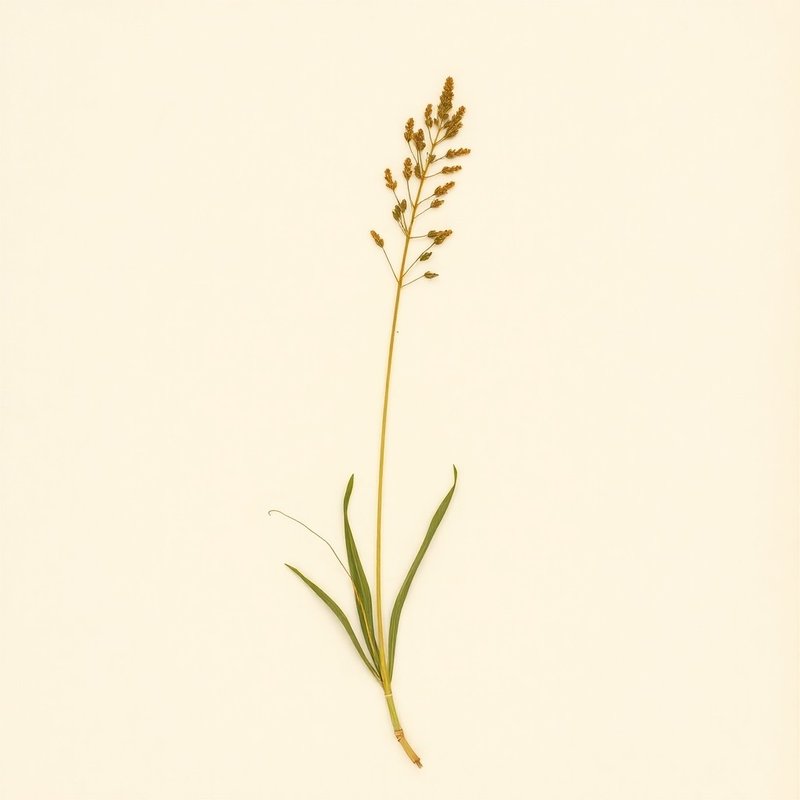
Pl. F768 — Vallisneria americana
Vallisneria americanaVallisneria americanaVallisneria americanaVallisneria americanaVallisneria americanaVallisneria americanaVallisneria americanaVallisneria americanaVallisneria americanaVallisneria americanaVallisneria americanaVallisneria americanaVallisneria americanaVallisneria americana
IOverview
Overview
Water Celery (Vallisneria americana) is a perennial aquatic plant native to the eastern United States and parts of Central America. It thrives in full sun and can be found growing in various habitats across its range, including Alabama, Connecticut, Florida, Georgia, and several other states and countries. Known for its edible leaves, which are often used in culinary dishes, this plant also serves as an ornamental addition to water gardens due to its distinctive long, ribbon-like foliage that extends gracefully into the water. Its adaptability to light (sandy, medium, or clay soils) and a pH range of 5 to 8.8 makes it a versatile choice for aquatic environments where it can grow in hardiness zones 8-11.
Quick answers
What is Water Celery?
Water Celery (Vallisneria americana) is a perennial aquatic plant native to the eastern United States and parts of Central America. It thrives in full sun and can be found growing in various habitats across its range, including Alabama, Connecticut, Florida, Georgia, and several other states and countries.
Growingconditions · propagation · uses
VCultivation
Cultivation
Water Celery thrives in full sun and requires ample water, making it ideal for ponds or aquariums. It prefers light to heavy soils, with a preference for medium textures. The plant is hardy in zones 8-11 but can be found growing naturally in various regions across North America and Central America. For optimal growth, maintain soil pH between 5 and 8.8. Harvest the edible leaves as needed.
Light
Full sun
Water
Water
Soil
Light (sandy), Medium, Heavy (clay)
Hardiness
8-11
Life cycle
Perennial
Habit
Forb/herb
Soil pH
5–8.8
For first-time growers
How to grow Water Celery for the first time
8steps
Start with a simple setup to grow Water Celery as an easy-to-care-for aquatic plant.
- 1
What you'll need
A container or pond, water-soluble fertilizer, and some Water Celery plants.
- 2
Best time to plant
Plant in spring when the water temperature is above 60°F (15°C).
- 3
Soil and container prep
Use a container with at least 2 feet of water depth. Fill it with light, medium, or heavy soil depending on availability.
- 4
Sowing or transplanting
Place the Water Celery plants in the container, ensuring their roots are covered by about an inch of soil.
- 5
First two weeks
Keep the water level stable and avoid direct sunlight for the first few days. Monitor for any signs of stress.
- 6
Ongoing care
Provide full sun exposure, fertilize every 4-6 weeks with a balanced aquatic plant fertilizer.
- 7
Harvest or pruning
Prune leaves as needed to maintain the plant's shape and remove any dead or yellowing parts.
- 8
Common mistakes
Overcrowding, using too much fertilizer, and not providing enough light are common issues.
VIEdible & utility
Edible & utility
Edible parts:Leaves
Edible uses: The leaves of Water Celery are edible and can be eaten raw or cooked. They are typically prepared by blanching or steaming to enhance their mild flavor. SKIP
Contextrange · companions · related
VIIDistribution
30 native · 0 introduced
Distribution
30 native · 0 introducedDistribution across2 continents· 30 native
Asia1 region
native (1)Georgia
Americas6 regions
native (6)CubaDominican RepublicGuatemalaHaitiHondurasJamaica
Broader regions
native:Alabama, Connecticut, Massachusetts, District of Columbia, Florida, Illinois, Indiana, Iowa, Kentucky, Louisiana, Maine, Manitoba, Maryland, Mexico Central, Mexico Gulf, Mexico Northeast, Mexico Southeast, Michigan, Minnesota, Mississippi, Missouri, Nevada, New Jersey
IXSpecimen gallery
1 image
Specimen gallery
1 imageXI
Explore further
Companion planting
Growing zone
XII
About this entry
- Last updated
- Citation
- How to cite this entry · Submit a correction
Back to the cataloguePlant id · f7682e93-02c1-4038-8f27-86218d298a7e
Decision aid
Choosing between Water Celery and something else?
Continue reading
❦❦❦❦
Endpaper · archive updates
Get archive updates
Occasional email when substantial new content lands — plant profiles, seasonal growing notes, folk-remedy additions. Free, no tracking, unsubscribe anytime.