
Vanilla
Vanilla planifolia
Educational content — not medical, botanical, or professional advice. Plant identification, safety, and edibility depend on local conditions, cultivars, and correct identification. Consult a qualified botanist or forager before consuming or handling wild specimens. How we source & review →
Garden journal pausedUse profile notes below
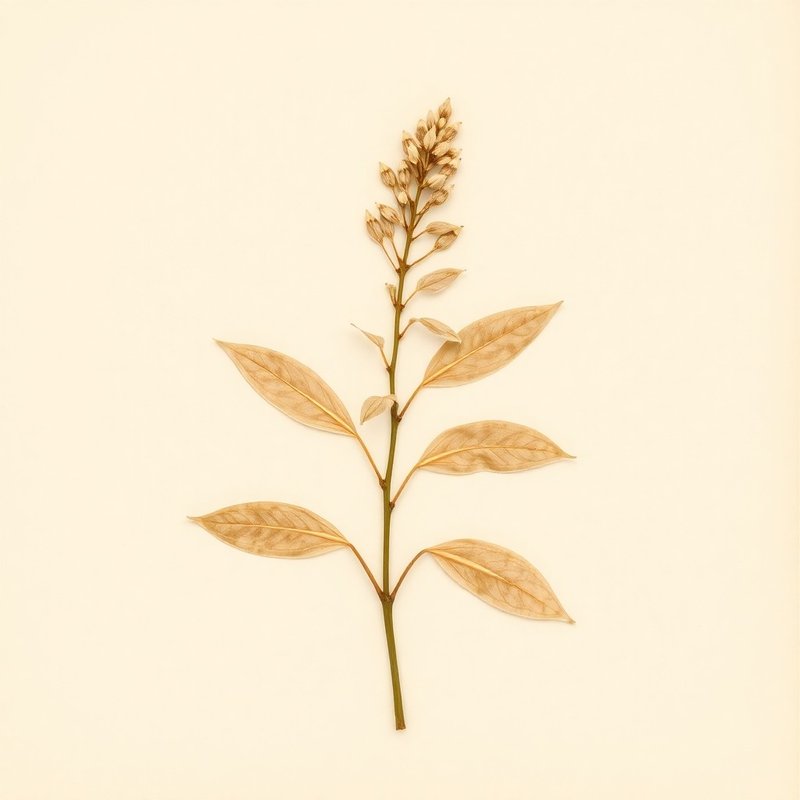
Pl. B166 — Vanilla planifolia
Vanilla planifoliaVanilla planifoliaVanilla planifoliaVanilla planifoliaVanilla planifoliaVanilla planifoliaVanilla planifoliaVanilla planifoliaVanilla planifoliaVanilla planifoliaVanilla planifoliaVanilla planifoliaVanilla planifoliaVanilla planifolia
IOverview
Overview
Vanilla (Vanilla planifolia) is a perennial vine native to Central and South America, with its natural range extending from Mexico to Costa Rica. Known for its culinary significance, vanilla is widely cultivated for its aromatic fruit and seeds, which are used extensively in flavoring foods and beverages worldwide. This plant thrives in partial sun or full shade and prefers moist but not overly wet conditions, making it suitable for gardens where space allows. Vanilla can grow up to 15 meters tall, with its distinctive feature being long, slender flowers that are pollinated by a specific species of moth, contributing to the plant’s unique cultivation methods. Vanilla thrives in partial sun to full shade and prefers moist but well-drained soil. It is hardy in temperate regions with a range of 10-12 USDA zones. This perennial vine can grow up to 15 meters tall and requires regular pruning to maintain manageable size. Propagation is typically done through stem cuttings or seeds. The fruit, known as seedpods, are the edible parts used for flavoring. Vanilla's introduction into various regions such as Bangladesh, Brazil West-Central, Caroline Islands, Cayman Islands, and others has expanded its global presence, making it a versatile ingredient in many culinary traditions. Its cultivation is not only important for its aromatic qualities but also for its economic value, contributing to local economies through trade and export.
Quick answers
What is Vanilla?
Vanilla (Vanilla planifolia) is a perennial vine native to Central and South America, with its natural range extending from Mexico to Costa Rica. Known for its culinary significance, vanilla is widely cultivated for its aromatic fruit and seeds, which are used extensively in flavoring foods and beverages worldwide.
Growingconditions · propagation · uses
VCultivation
Cultivation
Vanilla thrives in partial sun to full shade and prefers moist but well-drained soil. It is hardy in temperate regions with a range of 10-12 USDA zones. This perennial vine can grow up to 15 meters tall and requires regular pruning to maintain manageable size. Propagation is typically done through stem cuttings or seeds. The fruit, known as seedpods, are the edible parts used for flavoring.
Light
Partial sun/shade, Full shade
Water
Dry, Moist
Hardiness
10-12
Life cycle
Perennial
Habit
Vine, Forb/herb
Mature size
15.0 m tall
For first-time growers
How to grow Vanilla for the first time
8steps
Start with a simple, low-maintenance approach to growing Vanilla vines.
- 1
What you'll need
A healthy vanilla vine cutting or seedpod, suitable containers, and well-draining soil.
- 2
Best time to plant
Plant in spring when temperatures are consistently above 20°C (68°F).
- 3
Soil and container prep
Use a pot with good drainage holes. Fill it with a mix of peat moss, perlite, and vermiculite for moisture retention.
- 4
Sowing or transplanting
Transplant the vine cutting into the prepared container. Ensure the roots are covered with soil.
- 5
First two weeks
Keep the soil moist but not waterlogged. Place in a warm, humid environment with partial shade.
- 6
Ongoing care
Provide support for the vine to climb. Keep the soil consistently moist and place it where it gets indirect sunlight.
- 7
Harvest or pruning
Prune regularly to encourage new growth and remove dead vines. Harvest seedpods when they turn yellow and dry out.
- 8
Common mistakes
Overwatering, placing in direct sun, neglecting support for the vine, not providing enough humidity, and using heavy soil mixes.
VIEdible & utility
Edible & utility
Edible parts:FruitSeedpod
Edible uses: Condiment
Other uses:CosmeticSoap makingFragrance
Contextrange · companions · related
VIIDistribution
14 native · 37 introduced
Distribution
14 native · 37 introducedDistribution across4 continents· 14 native· 37 introduced
Asia1 region
introduced (1)Bangladesh
Americas17 regions
native (7)BelizeColombiaCosta RicaEl SalvadorGuatemalaHondurasNicaragua
introduced (10)Dominican RepublicEcuadorFrench GuianaGuyanaJamaicaParaguayPeruPuerto RicoSurinameVenezuela
Africa3 regions
introduced (3)ComorosMadagascarSeychelles
Oceania2 regions
introduced (2)New CaledoniaTonga
Broader regions
native:Brazil North, Brazil Northeast, Brazil Southeast, Mexico Gulf, Mexico Southeast, Mexico Southwest, Panamá
introduced:Brazil West-Central, Caroline Is., Cayman Is., Chagos Archipelago, Cook Is., Florida, Gulf of Guinea Is., Jawa, Leeward Is., Lesser Sunda Is., Malaya, Marianas, Marquesas, New Guinea, Niue, Réunion, Society Is., Trinidad-Tobago, Tuamotu, Windward Is., Zaïre
IXSpecimen gallery
1 image
Specimen gallery
1 imageXI
Explore further
Companion planting
Growing zone
Native to
XII
About this entry
- Last updated
- Citation
- How to cite this entry · Submit a correction
Back to the cataloguePlant id · b1662e8a-267c-4eba-8a72-8d9bcaf5e3c5
Decision aid
Choosing between Vanilla and something else?
Continue reading
❦❦❦❦
Endpaper · archive updates
Get archive updates
Occasional email when substantial new content lands — plant profiles, seasonal growing notes, folk-remedy additions. Free, no tracking, unsubscribe anytime.
Newsletter returning soon.
We are rebuilding the update list around a lightweight editorial workflow. New dispatches will resume after the next content review cycle.