
Skip to content
IIIFolio · plant profile№ AA00edible
Data provenancePermapeopleTrefleWikipediaPFAFPOWOreviewed 12 Oct 2026methodology → read

Hairy Tare

Vicia hirsuta
Educational content — not medical, botanical, or professional advice. Plant identification, safety, and edibility depend on local conditions, cultivars, and correct identification. Consult a qualified botanist or forager before consuming or handling wild specimens. How we source & review →
Updated·Quick Q&A →
Garden journal pausedUse profile notes below
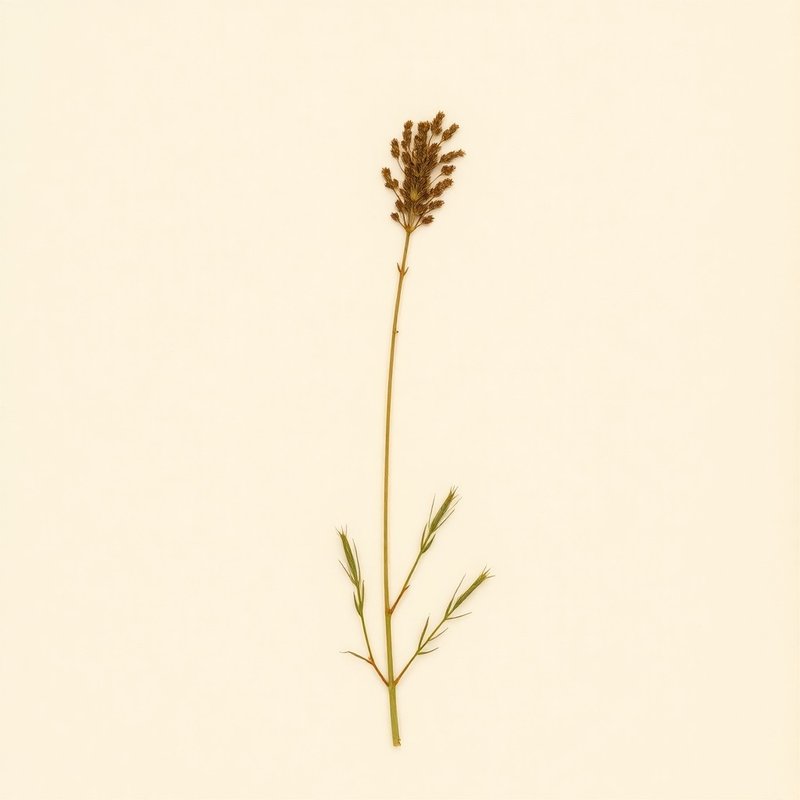
Vicia hirsuta (Hairy Tare) — botanical photograph
Pl. AA00 — Vicia hirsuta
Vicia hirsutaVicia hirsutaVicia hirsutaVicia hirsutaVicia hirsutaVicia hirsutaVicia hirsutaVicia hirsutaVicia hirsutaVicia hirsutaVicia hirsutaVicia hirsutaVicia hirsutaVicia hirsuta
I

Overview

Hairy Tare (Vicia hirsuta) is an annual vine or herb that thrives in diverse regions such as Afghanistan, Albania, Algeria, and many other countries across Europe, Asia, and Africa. Native to these areas, this plant prefers light (sandy), medium, and heavy (clay) soils with a pH of 5–5.5, making it adaptable to various growing conditions. Hairy Tare is known for its edible parts—leaves and seeds—which are commonly consumed raw or cooked. The plant can grow up to 0.5 meters tall and is hardy in zones 4-9, making it suitable for temperate climates. This leguminous plant is a dynamic accumulator and nitrogen fixer, contributing valuable nutrients to the soil. Its distinctive feature lies in its hairy texture, which sets it apart from other vetches. Hairy Tare thrives in moist but well-drained soils, making it ideal for gardens where moisture management is key. For best results, sow seeds directly into the garden soil after all danger of frost has passed. Ensure the soil remains moist but not waterlogged throughout its growing season. Skip mulching to prevent root rot. Harvest leaves and seeds as needed.

Quick answers

What is Hairy Tare?

Hairy Tare (Vicia hirsuta) is an annual vine or herb that thrives in diverse regions such as Afghanistan, Albania, Algeria, and many other countries across Europe, Asia, and Africa. Native to these areas, this plant prefers light (sandy), medium, and heavy (clay) soils with a pH of 5–5.

Growingconditions · propagation · uses
V

Cultivation

Hairy Tare thrives in light to medium soil with a pH between 5 and 5.5, preferring moisture but not overly wet conditions. This annual plant grows up to 0.5 meters tall and can be cultivated as a vine or herb. It is hardy in zones 4-9, making it suitable for temperate regions. For best results, sow seeds directly into the garden soil after all danger of frost has passed. Ensure the soil remains moist but not waterlogged throughout its growing season. Skip mulching to prevent root rot. Harvest leaves and seeds when needed.
Light
6/10
Water
Moist
Soil
Light (sandy), Medium, Heavy (clay)
Hardiness
4-9
Life cycle
Annual
Habit
Vine, Forb/herb
Mature size
0.5 m tall
Soil pH
5–5.5
Seasonal calendar
Northern hemisphere · UTC month is November
winterspringsummerautumnwinter
BloomJFMAMJJASOND
For first-time growers

How to grow Hairy Tare for the first time

8steps

Start with Hairy Tare as a simple annual plant, focusing on basic care and harvesting.

  1. 1

    What you'll need

    Seeds or seedlings, a container or garden bed, potting soil if using containers.

  2. 2

    Best time to plant

    Plant in spring after the last frost, when temperatures are mild.

  3. 3

    Soil and container prep

    Use well-draining soil with a pH of 5-5.5. Ensure containers have drainage holes if using them.

  4. 4

    Sowing or transplanting

    Direct sow seeds 1 cm deep, spacing them about 30 cm apart. Transplant seedlings when they are strong enough to handle.

  5. 5

    First two weeks

    Water regularly to keep the soil moist but not waterlogged. Provide support for climbing vines if needed.

  6. 6

    Ongoing care

    Continue regular watering, especially during dry spells. Fertilize lightly every few weeks with a balanced fertilizer.

  7. 7

    Harvest or pruning

    Prune back vines to encourage bushier growth and prevent them from sprawling. Harvest leaves and seeds when needed.

  8. 8

    Common mistakes

    Overwatering, not providing support for climbing vines, neglecting regular fertilization.

VI

Edible & utility

Edible parts:LeavesSeed
Edible uses: The hairy tare plant is edible and can be consumed in various forms. Its leaves and seeds are commonly eaten raw or cooked. The seeds can also be dried for later use.
Other uses:Dynamic accumulatorNitrogen fixer
Contextrange · companions · related
VII

Distribution

81 native · 47 introduced
Distribution across4 continents· 81 native· 47 introduced
Europe27 regions
native (25)AlbaniaAustriaBelarusBelgiumBulgariaCyprusDenmarkFinlandFranceGermanyGreeceHungaryIrelandItalyNetherlandsNorwayPolandPortugalRomaniaRussiaSpainSwedenSwitzerlandUkraineUnited Kingdom
introduced (2)IcelandRussia
Asia14 regions
native (14)AfghanistanBangladeshChinaIndiaIranIraqJapanKazakhstanNepalPakistanSouth KoreaTaiwanTurkeyTurkmenistan
Americas2 regions
introduced (2)EcuadorHaiti
Africa15 regions
native (12)AlgeriaEgyptEritreaEthiopiaKenyaLibyaMoroccoRwandaSudanTanzaniaTunisiaUganda
introduced (3)AngolaMauritiusNamibia
Broader regions
native:Baltic States, Czechoslovakia, East Aegean Is., East Himalaya, Lebanon-Syria, Mexico Central, Tadzhikistan, Transcaucasus, Turkey-in-Europe, West Himalaya, Yugoslavia, Zaïre
introduced:Alabama, Altay, Amsterdam-St.Paul Is, Amur, Argentina South, Brazil South, Buryatiya, California, Cape Provinces, Chatham Is., Chile Central, Chile South, Falkland Is., Florida, Free State, Irkutsk, Jawa, Khabarovsk, Krasnoyarsk, Maryland, New Guinea, New South Wales, New York, New Zealand North, New Zealand South, Norfolk Is., Oregon, Primorye, Queensland, Réunion, Sakhalin, South Australia, St.Helena, Tasmania, Tuva, Victoria, Washington, Western Australia, Wisconsin, Yakutskiya
IX

Specimen gallery

1 image
Vicia hirsuta (Hairy Tare) — botanical photograph
Hairy Tare (Vicia hirsuta)
XI

Explore further

XII

About this entry

Last updated
Citation
How to cite this entry · Submit a correction
Back to the cataloguePlant id · aa00c10e-015a-4f2e-a8d4-f576db5e70fd
Decision aid
Choosing between Hairy Tare and something else?
Compare with another plant

Continue reading

❦❦❦❦
Endpaper · archive updates

Get archive updates

Occasional email when substantial new content lands — plant profiles, seasonal growing notes, folk-remedy additions. Free, no tracking, unsubscribe anytime.

Newsletter returning soon.
We are rebuilding the update list around a lightweight editorial workflow. New dispatches will resume after the next content review cycle.
iCare notes