
Adzuki Bean
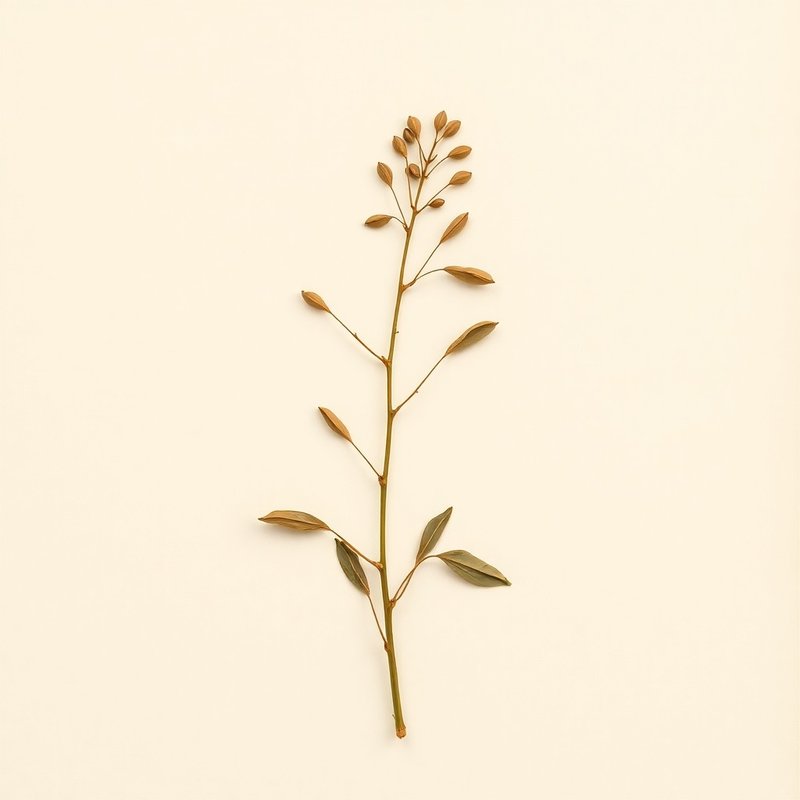
IOverview
Overview
Adzuki Bean (Vigna angularis) is an annual vine native to eastern Asia, including regions such as Assam, China South-Central, China Southeast, East Himalaya, Japan, Myanmar, Nepal, Taiwan, and Vietnam. This plant thrives in light to partial sun with a variety of soil types—ranging from sandy to heavy clay—and can tolerate both dry and moist conditions. Growing up to 0.8 meters tall, adzuki beans are known for their edible seeds and seedpods, making them valuable in many Asian cuisines. Adzuki Beans have been introduced into various regions including China North-Central, Hainan, Haiti, India, Inner Mongolia, Kenya, Korea, Manchuria, Mexico Southeast, Primorye, Qinghai, Sakhalin, Tibet, and Xinjiang. These plants are versatile in their growing context, contributing to erosion control, nitrogen fixation, and cosmetic uses due to their adaptability. In cultivation, adzuki beans thrive in full to partial sun with well-drained soil that is light (sandy), medium, or heavy (clay). They require moist conditions but can tolerate dryness once established. These annual vines grow up to 0.8 meters tall and benefit from trellises for support. Adzuki Beans are hardy in temperate regions with zones 10-12. For propagation, sow seeds directly into the garden after all danger of frost has passed; keep soil moist until germination, which typically occurs within a week to ten days.
What is Adzuki Bean?
Adzuki Bean (Vigna angularis) is an annual vine native to eastern Asia, including regions such as Assam, China South-Central, China Southeast, East Himalaya, Japan, Myanmar, Nepal, Taiwan, and Vietnam.
VCultivation
Cultivation
How to grow Adzuki Bean for the first time
Adzuki beans are a simple annual crop for beginners, perfect for your first gardening experience.
- 1
What you'll need
Seeds, a garden plot or container, and basic tools like a trowel.
- 2
Best time to plant
Plant in spring after the last frost, when soil temperatures are above 10°C (50°F).
- 3
Soil and container prep
Choose a well-draining spot with rich, loose soil. Containers should be at least 30 cm deep.
- 4
Sowing or transplanting
Direct sow seeds 2-3 cm deep, spaced 5-10 cm apart in rows 60 cm apart. Ensure good air circulation.
- 5
First two weeks
Keep the soil moist but not waterlogged. Thin seedlings to 15-20 cm apart once they have several leaves.
- 6
Ongoing care
Water regularly, especially during dry spells, and mulch to retain moisture. Provide support for climbing vines.
- 7
Harvest or pruning
Prune any dead or yellowing leaves to encourage new growth. Harvest pods when they turn brown and dry on the plant.
VIEdible & utility
Edible & utility
VIIDistribution
9 native · 14 introduced
Distribution
9 native · 14 introducedIXSpecimen gallery
1 image
Specimen gallery
1 imageExplore further
About this entry
- Last updated
- Citation
- How to cite this entry · Submit a correction
Continue reading
Get archive updates
Occasional email when substantial new content lands — plant profiles, seasonal growing notes, folk-remedy additions. Free, no tracking, unsubscribe anytime.