
Black-Eyed Pea
Vigna unguiculata unguiculata
Educational content — not medical, botanical, or professional advice. Plant identification, safety, and edibility depend on local conditions, cultivars, and correct identification. Consult a qualified botanist or forager before consuming or handling wild specimens. How we source & review →
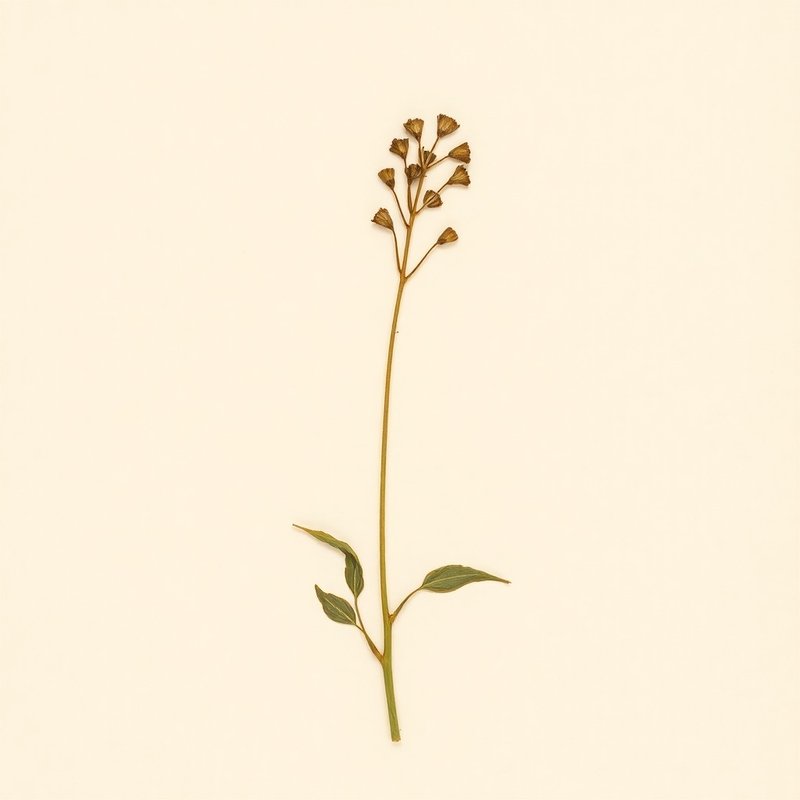
Pl. F8F9 — Vigna unguiculata unguiculata
Vigna unguiculata unguiculataVigna unguiculata unguiculataVigna unguiculata unguiculataVigna unguiculata unguiculataVigna unguiculata unguiculataVigna unguiculata unguiculataVigna unguiculata unguiculataVigna unguiculata unguiculataVigna unguiculata unguiculataVigna unguiculata unguiculataVigna unguiculata unguiculataVigna unguiculata unguiculataVigna unguiculata unguiculataVigna unguiculata unguiculata
IOverview
Overview
The black-eyed pea (Vigna unguiculata unguiculata) is a small annual legume native to Africa, particularly Angola and Benin. This plant grows up to 1-2 feet tall with hairy stems and leaves, producing small white or purple flowers that eventually yield pods containing distinctive black seeds. Native to regions such as Botswana and Cape Provinces, the black-eyed pea thrives in full sun to partial shade, prefers well-drained soil of light (sandy), medium, or heavy (clay) texture, and requires a pH between 6 and 8. While it can tolerate dry conditions, moist soil is also suitable for its growth. This versatile plant is both ornamental and edible, with parts such as leaves, seeds, and seedpods being used in various culinary applications.
Quick answers
What is Black-Eyed Pea?
The black-eyed pea (Vigna unguiculata unguiculata) is a small annual legume native to Africa, particularly Angola and Benin. This plant grows up to 1-2 feet tall with hairy stems and leaves, producing small white or purple flowers that eventually yield pods containing distinctive black seeds.
Growingconditions · propagation · uses
VCultivation
Cultivation
The black-eyed pea thrives in full to partial sun and prefers well-drained soil that is light (sandy), medium, or heavy (clay). It requires moderate moisture but can tolerate dry conditions. This annual vine grows up to 4 meters tall and produces small white or purple flowers followed by pods containing edible seeds. Propagate via seed directly sown in the garden after all danger of frost has passed. The plant is hardy in temperate regions, making it suitable for a wide range of climates.
Light
Full sun, Partial sun/shade
Water
Dry, Moist
Soil
Light (sandy), Medium, Heavy (clay)
Hardiness
10-12
Life cycle
Annual
Habit
Vine, Forb/herb
Mature size
4.0 m tall
Soil pH
6–8
- Seed viability
- 3-5 years
For first-time growers
How to grow Black-Eyed Pea for the first time
8steps
Start with easy-to-grow Black-Eyed Peas for a rewarding beginner gardening experience.
- 1
What you'll need
Seeds, garden soil, containers if planting indoors, and stakes or trellis for support.
- 2
Best time to plant
Plant in spring after the last frost, when temperatures are above 60°F (15°C).
- 3
Soil and container prep
Use well-draining soil with a pH between 6.0 and 8.0. Ensure containers are at least 12 inches deep.
- 4
Sowing or transplanting
Direct sow seeds 1-2 inches deep, 3-4 inches apart in rows spaced 2 feet apart. Transplant seedlings when they have two sets of leaves.
- 5
First two weeks
Water regularly to keep the soil moist but not waterlogged. Provide partial shade if temperatures are very high.
- 6
Ongoing care
Water deeply once a week, more often in dry spells. Fertilize lightly with compost every few weeks. Support vines as they grow.
- 7
Harvest or pruning
Prune any dead or yellowing leaves to encourage new growth and prevent disease. Harvest pods when they turn brown and dry on the plant.
- 8
Common mistakes
Overwatering, planting too late in the season, not providing support for vines, and neglecting to prune.
VIEdible & utility
Edible & utility
Edible parts:LeavesSeedSeedpod
Edible uses: The black-eyed pea is versatile in its culinary uses. The seeds and seedpods are commonly eaten, often prepared by boiling or frying. Young leaves can also be consumed fresh or cooked. SKIP
Other uses:Cover cropNitrogen fixer
Contextrange · companions · related
VIIDistribution
30 native · 0 introduced
Distribution
30 native · 0 introducedDistribution across1 continent· 30 native
Africa23 regions
native (23)AngolaBeninBotswanaBurundiCabo VerdeCameroonChadCôte d'IvoireEritreaEthiopiaGabonGambiaGhanaGuineaGuinea-BissauKenyaLiberiaMalawiMaliMauritaniaMozambiqueNamibiaNigeria
Broader regions
native:Cape Provinces, Caprivi Strip, Central African Repu, Congo, Free State, Gulf of Guinea Is., KwaZulu-Natal
IXSpecimen gallery
1 image
Specimen gallery
1 imageXI
Explore further
Companion planting
Growing zone
XII
About this entry
- Last updated
- Citation
- How to cite this entry · Submit a correction
Back to the cataloguePlant id · f8f9f90f-73b6-470a-a4c2-c76839dde8c5
Decision aid
Choosing between Black-Eyed Pea and something else?
Continue reading
❦❦❦❦
Endpaper · archive updates
Get archive updates
Occasional email when substantial new content lands — plant profiles, seasonal growing notes, folk-remedy additions. Free, no tracking, unsubscribe anytime.