
Grape
IOverview
Overview
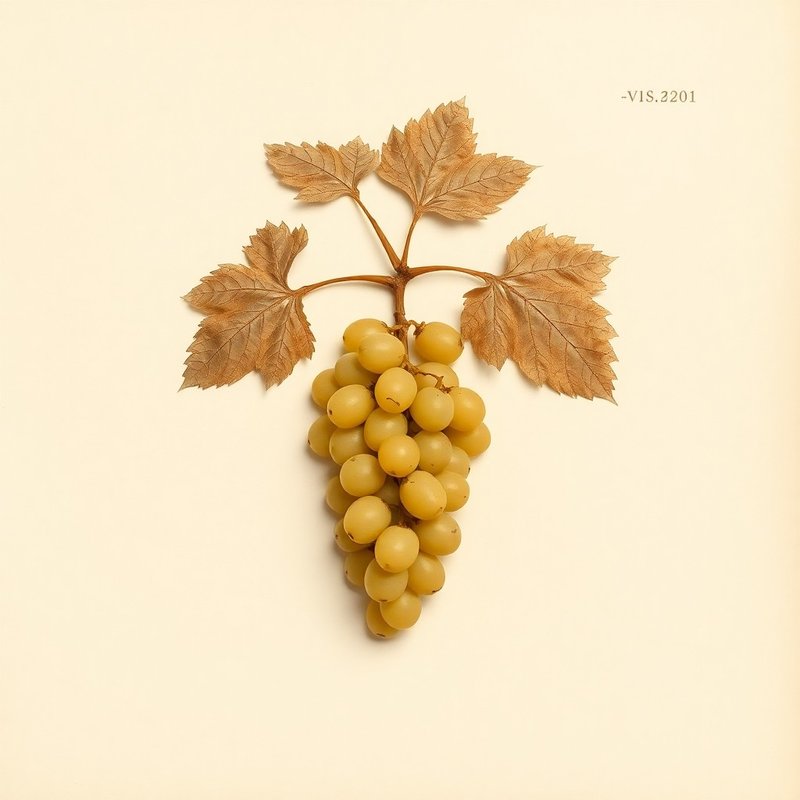
Grape, scientifically known as Vitis belaii, is a vine or shrub native to several European countries including Albania, Austria, Bulgaria, Corsica, Cyprus, Czechoslovakia, France, and Germany. This plant is valued for its edible fruit and leaves, making it a useful addition to gardens and agricultural landscapes. One distinctive feature of Vitis belaii is its adaptability to various soil types, thriving in light (sandy), medium, and heavy (clay) soils with a pH range of 7–7.5. Its light energy requirement is moderate at 7/10, indicating it can grow well in both dry and moist conditions. The grape's fruit and leaves are edible. The fruit is typically eaten raw or dried, while the leaves can be used fresh in salads or cooked as a vegetable. Both parts add a mild flavor to dishes. Vitis belaii thrives in a variety of soils—light sandy, medium, and heavy clay—and prefers a neutral to slightly alkaline pH between 7 and 7.5. It requires light to moderate watering; it can handle dry conditions but benefits from moist soil during fruiting. This vine or shrub is hardy in temperate regions, making it suitable for gardens in its native range. Ensure the plant receives plenty of light, as it rates a 7 out of 10 on light requirements. Propagate through cuttings or seeds, allowing the grape to grow into its characteristic vine or shrub form. While Vitis belaii is not known for medicinal properties, it remains an important plant in culinary and horticultural contexts due to its edible fruit and leaves.
What is Grape?
Grape, scientifically known as Vitis belaii, is a vine or shrub native to several European countries including Albania, Austria, Bulgaria, Corsica, Cyprus, Czechoslovakia, France, and Germany. This plant is valued for its edible fruit and leaves, making it a useful addition to gardens and agricultural landscapes.
VCultivation
Cultivation
How to grow Grape for the first time
Start with a simple vine that thrives in well-draining soil and full sun, perfect for beginners.
- 1
What you'll need
Grape vines, garden gloves, pruning shears.
- 2
Best time to plant
Plant in spring after the last frost or in fall before the first freeze.
- 3
Soil and container prep
Choose a location with well-draining soil and full sun. Ensure containers are at least 18 inches wide and deep.
- 4
Sowing or transplanting
Transplant young vines directly into the garden, spacing them about 6 to 10 feet apart.
- 5
First two weeks
Water regularly to keep soil moist but not waterlogged. Monitor for pests and diseases.
- 6
Ongoing care
Fertilize in early spring with a balanced fertilizer. Prune annually to maintain shape and health.
- 7
Harvest or pruning
Prune vines in late winter before new growth starts. Harvest fruit when it is fully colored and slightly soft.
- 8
Common mistakes
Overwatering, not providing enough support, neglecting to prune, planting too close together, using the wrong fertilizer.
VIEdible & utility
Edible & utility
VIIDistribution
30 native · 52 introduced
Distribution
30 native · 52 introducedIXSpecimen gallery
1 image
Specimen gallery
1 imageExplore further
About this entry
- Last updated
- Citation
- How to cite this entry · Submit a correction
Continue reading
Get archive updates
Occasional email when substantial new content lands — plant profiles, seasonal growing notes, folk-remedy additions. Free, no tracking, unsubscribe anytime.