
Frost Grape
Vitis vulpina
Educational content — not medical, botanical, or professional advice. Plant identification, safety, and edibility depend on local conditions, cultivars, and correct identification. Consult a qualified botanist or forager before consuming or handling wild specimens. How we source & review →
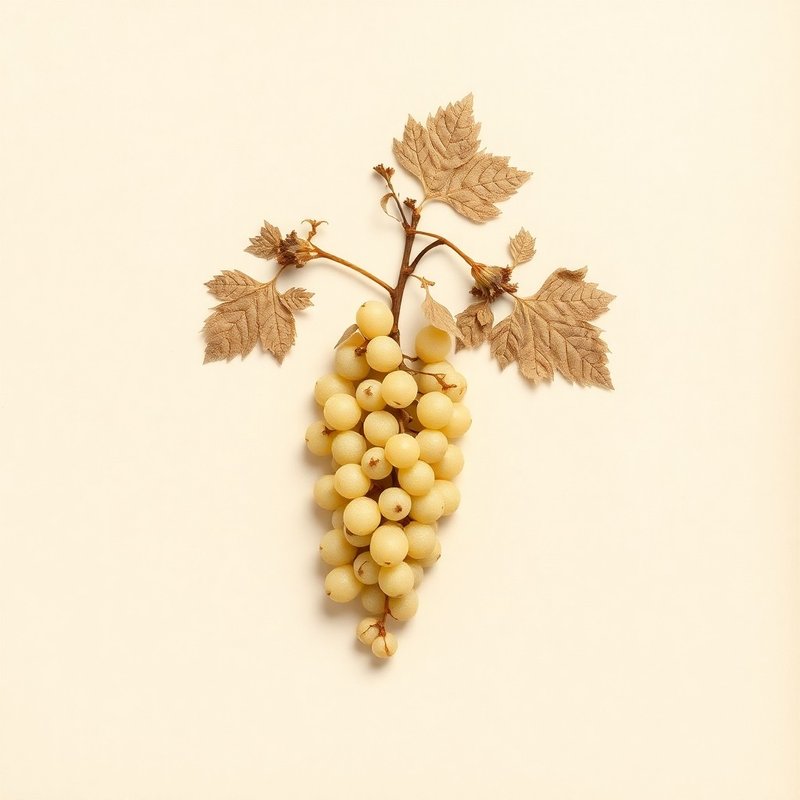
Pl. 5EDB — Vitis vulpina
Vitis vulpinaVitis vulpinaVitis vulpinaVitis vulpinaVitis vulpinaVitis vulpinaVitis vulpinaVitis vulpinaVitis vulpinaVitis vulpinaVitis vulpinaVitis vulpinaVitis vulpinaVitis vulpina
IOverview
Overview
Frost Grape (Vitis vulpina) is a vine native to the eastern United States and Ontario, thriving in habitats ranging from Alabama to Virginia. Known for its edible fruit and leaves, this plant can grow up to 25 meters tall and prefers full or partial sun with well-drained soil of medium pH levels between 6 and 7.5. It is adaptable to various soil types including light (sandy), medium, and heavy (clay) soils. While it can tolerate dry conditions, Frost Grape also thrives in moist environments. This vine is commonly found in states such as Illinois, Indiana, and Florida, contributing to local ecosystems and providing a valuable food source for wildlife and humans alike.
Quick answers
What is Frost Grape?
Frost Grape (Vitis vulpina) is a vine native to the eastern United States and Ontario, thriving in habitats ranging from Alabama to Virginia. Known for its edible fruit and leaves, this plant can grow up to 25 meters tall and prefers full or partial sun with well-drained soil of medium pH levels between 6 and 7.
Growingconditions · propagation · uses
VCultivation
Cultivation
Frost Grape thrives in full to partial sun and prefers moist but well-drained soils of medium texture, though it can tolerate light (sandy) and heavy (clay) soils as well. It is hardy in zones 4-8, making it suitable for temperate regions. This vine requires little water once established and grows best with a soil pH between 6 and 7.5. For propagation, gardeners may use cuttings or layering methods. Harvest the fruit and leaves for culinary uses, ensuring the plant is well-established before harvesting to avoid stressing it.
Light
Full sun, Partial sun/shade
Water
Dry, Moist
Soil
Light (sandy), Medium, Heavy (clay)
Hardiness
4-8
Habit
Vine
Mature size
25.0 m tall
Soil pH
6–7.5
For first-time growers
How to grow Frost Grape for the first time
8steps
Start with Frost Grape as a simple, low-maintenance vine for your garden.
- 1
What you'll need
Seeds or young plants, gardening gloves, trowel.
- 2
Best time to plant
Plant in spring after the last frost or in early fall.
- 3
Soil and container prep
Choose a spot with full sun to partial shade. Ensure soil is well-draining, pH 6-7.5.
- 4
Sowing or transplanting
Direct sow seeds in the ground after danger of frost has passed. Transplant young plants if needed.
- 5
First two weeks
Water regularly to keep soil moist but not waterlogged. Monitor for pests and diseases.
- 6
Ongoing care
Provide support like a trellis or fence. Water when dry, prune in late winter to maintain shape.
- 7
Harvest or pruning
Prune in late winter to encourage fruiting. Harvest fruits in fall after they turn dark purple.
- 8
Common mistakes
Overwatering, not providing support, neglecting winter pruning, planting too deep.
VIEdible & utility
Edible & utility
Edible parts:FruitLeaves
Edible uses: The Frost Grape's fruit and leaves are edible. The fruit can be eaten raw or used in jams and jellies. Leaves are often prepared as a potherb, added to salads or cooked like spinach. Both parts are typically consumed fresh but can also be dried for later use.
Other uses:DyeFragrance
Contextrange · companions · related
VIIDistribution
30 native · 0 introduced
Distribution
30 native · 0 introducedDistribution across1 continent· 30 native
Asia1 region
native (1)Georgia
Broader regions
native:District of Columbia, Arkansas, Delaware, Florida, Illinois, Indiana, Iowa, Kansas, Kentucky, Louisiana, Maryland, Michigan, Mississippi, Missouri, Nebraska, New Jersey, New York, North Carolina, Ohio, Oklahoma, Ontario, Pennsylvania, South Carolina, South Dakota, Tennessee, Texas, Virginia, West Virginia, Alabama
IXSpecimen gallery
1 image
Specimen gallery
1 imageXI
Explore further
Companion planting
Growing zone
XII
About this entry
- Last updated
- Citation
- How to cite this entry · Submit a correction
Back to the cataloguePlant id · 5edbe234-c212-44e9-b875-515e119e4e83
Decision aid
Choosing between Frost Grape and something else?
Continue reading
❦❦❦❦
Endpaper · archive updates
Get archive updates
Occasional email when substantial new content lands — plant profiles, seasonal growing notes, folk-remedy additions. Free, no tracking, unsubscribe anytime.