
Chinese Wisteria
Wisteria sinensis
Educational content — not medical, botanical, or professional advice. Plant identification, safety, and edibility depend on local conditions, cultivars, and correct identification. Consult a qualified botanist or forager before consuming or handling wild specimens. How we source & review →
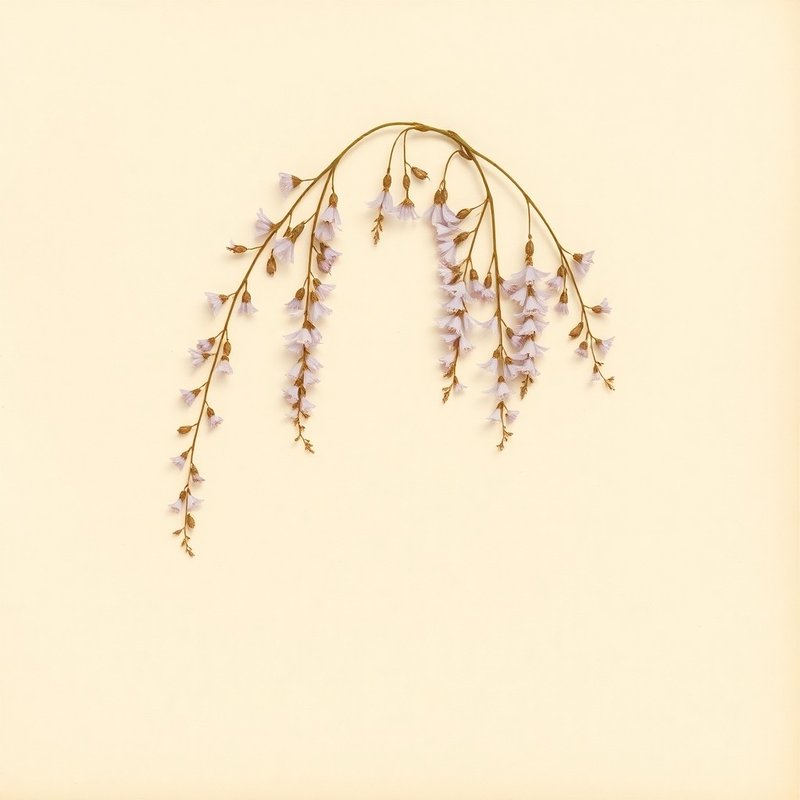
Pl. 8BFE — Wisteria sinensis
Wisteria sinensisWisteria sinensisWisteria sinensisWisteria sinensisWisteria sinensisWisteria sinensisWisteria sinensisWisteria sinensisWisteria sinensisWisteria sinensisWisteria sinensisWisteria sinensisWisteria sinensisWisteria sinensis
IOverview
Overview
Chinese Wisteria (Wisteria sinensis) is a deciduous vine native to China's central and southern regions. Known for its ornamental value, this plant produces stunning clusters of fragrant flowers in shades of purple or white. It thrives in moist, well-drained soils with a pH between 5.5 and 6.5, making it adaptable to light (sandy), medium, and heavy (clay) soil types. Chinese Wisteria can grow up to 25 meters tall, providing both visual appeal and edible parts such as flowers and seeds for culinary use. Its hardiness ranges from zones 5-9, allowing it to flourish in various climates within its native range.
Quick answers
What is Chinese Wisteria?
Chinese Wisteria (Wisteria sinensis) is a deciduous vine native to China's central and southern regions. Known for its ornamental value, this plant produces stunning clusters of fragrant flowers in shades of purple or white. It thrives in moist, well-drained soils with a pH between 5.
Growingconditions · propagation · uses
VCultivation
Cultivation
Chinese Wisteria thrives in moist, well-drained soils that are light (sandy), medium, or heavy (clay) and prefers a pH between 5.5 and 6.5. It requires full to partial sunlight with moderate light exposure. This vine is hardy in zones 5-9 and can grow up to 25 meters tall. For propagation, use stem cuttings or seed sowing. Harvest edible parts such as flowers and seeds when mature.
Light
7/10
Water
Moist
Soil
Light (sandy), Medium, Heavy (clay)
Hardiness
5-9
Habit
Vine
Mature size
25.0 m tall
Soil pH
5.5–6.5
For first-time growers
How to grow Chinese Wisteria for the first time
8steps
Chinese Wisteria is a rewarding vine for beginners, but requires careful planting and maintenance.
- 1
What you'll need
A sturdy trellis or support structure, quality soil, and a young Chinese Wisteria plant.
- 2
Best time to plant
Plant in early spring before new growth begins or in late summer after the heat has subsided.
- 3
Soil and container prep
Ensure the soil is well-draining, with a pH between 5.5 and 6.5. Amend heavy clay soils to improve drainage.
- 4
Sowing or transplanting
Transplant young plants into prepared soil, ensuring roots are not damaged during handling.
- 5
First two weeks
Water the plant regularly to help it establish its roots and avoid shock. Keep the soil moist but not waterlogged.
- 6
Ongoing care
Provide regular watering, especially in dry periods, and fertilize with a balanced fertilizer once or twice during the growing season.
- 7
Harvest or pruning
Prune in late winter to maintain shape and encourage flowering. Remove dead or weak branches for better air circulation.
- 8
Common mistakes
...
VIEdible & utility
Edible & utility
Edible parts:FlowersSeed
Edible uses: Tea
Other uses:textilesEspalierNitrogen fixerFragrance
Contextrange · companions · related
VIIDistribution
3 native · 27 introduced
Distribution
3 native · 27 introducedDistribution across3 continents· 3 native· 27 introduced
Europe6 regions
introduced (6)BulgariaFranceItalyRomaniaRussiaUkraine
Asia5 regions
native (1)China
introduced (4)IndiaNepalPakistanUzbekistan
Africa1 region
introduced (1)Algeria
Broader regions
introduced:East Himalaya, Florida, Illinois, Kentucky, Maryland, Massachusetts, New York, New Zealand North, Queensland, South Australia, Tadzhikistan, Tennessee, Texas, Transcaucasus, Vermont, West Himalaya
IXSpecimen gallery
1 image
Specimen gallery
1 imageXI
Explore further
Companion planting
Growing zone
XII
About this entry
- Last updated
- Citation
- How to cite this entry · Submit a correction
Back to the cataloguePlant id · 8bfeb6b4-4542-456c-9a7b-335e51cc0e73
Decision aid
Choosing between Chinese Wisteria and something else?
Continue reading
❦❦❦❦
Endpaper · archive updates
Get archive updates
Occasional email when substantial new content lands — plant profiles, seasonal growing notes, folk-remedy additions. Free, no tracking, unsubscribe anytime.