
Least Duckweed
Wolffia arrhiza
Educational content — not medical, botanical, or professional advice. Plant identification, safety, and edibility depend on local conditions, cultivars, and correct identification. Consult a qualified botanist or forager before consuming or handling wild specimens. How we source & review →
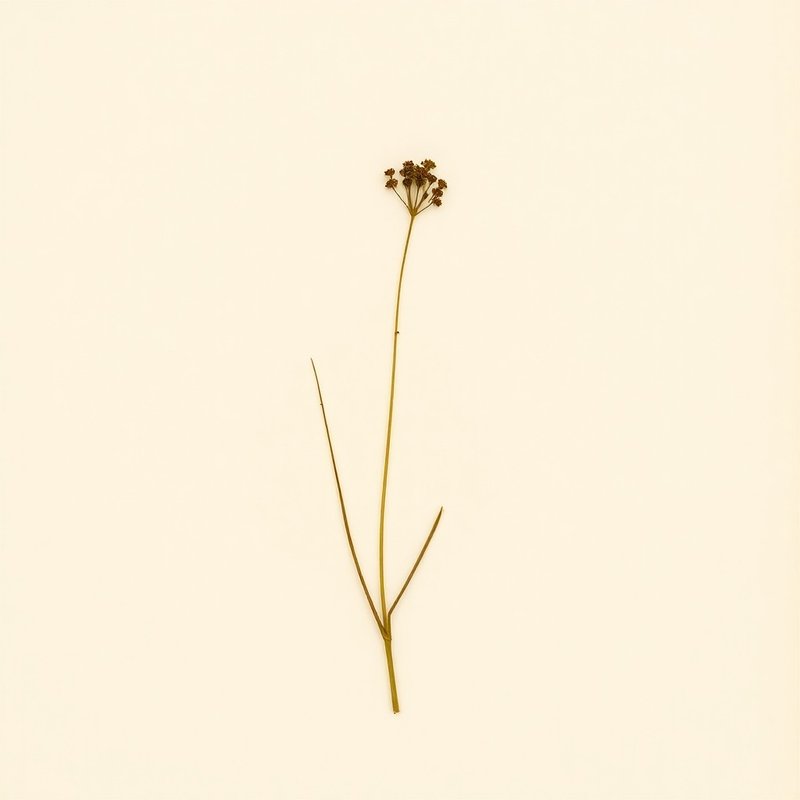
Pl. 536C — Wolffia arrhiza
Wolffia arrhizaWolffia arrhizaWolffia arrhizaWolffia arrhizaWolffia arrhizaWolffia arrhizaWolffia arrhizaWolffia arrhizaWolffia arrhizaWolffia arrhizaWolffia arrhizaWolffia arrhizaWolffia arrhizaWolffia arrhiza
IOverview
Overview
Least Duckweed (Wolffia arrhiza) is a tiny aquatic plant native to regions including Algeria, Angola, Austria, and Bangladesh. It thrives in light, medium, or heavy soil with a pH of 7–7.5, making it adaptable to various growing conditions. Known for its edible leaves, this perennial plant is often found in wetlands across Europe, Africa, Asia, and parts of North America. One distinctive feature of Least Duckweed is its minuscule size; it is one of the smallest flowering plants known, with each plant consisting of a single leaf-like structure.
Quick answers
What is Least Duckweed?
Least Duckweed (Wolffia arrhiza) is a tiny aquatic plant native to regions including Algeria, Angola, Austria, and Bangladesh. It thrives in light, medium, or heavy soil with a pH of 7–7.5, making it adaptable to various growing conditions.
Growingconditions · propagation · uses
VCultivation
Cultivation
Least Duckweed thrives in light to medium soils with a pH of 7-7.5 and prefers standing water or very shallow water. It is hardy in temperate regions (zones 6-9) and can be propagated by division or from seeds. This perennial plant requires plenty of light but can tolerate various soil types, making it adaptable for gardeners in diverse climates. Harvest the edible leaves throughout the growing season for use in your culinary creations.
Light
8/10
Water
Water
Soil
Light (sandy), Medium, Heavy (clay)
Hardiness
6-9
Life cycle
Perennial
Habit
Forb/herb
Soil pH
7–7.5
For first-time growers
How to grow Least Duckweed for the first time
7steps
Start with a simple water garden to grow Least Duckweed, focusing on basic care.
- 1
What you'll need
A small container or pond, aquatic planting medium, and least duckweed plants.
- 2
Best time to plant
Plant in spring when water temperatures are above 68°F (20°C).
- 3
Soil and container prep
Use a container with at least 10 gallons of water, filled with dechlorinated tap water or rainwater. Place aquatic planting medium on the bottom.
- 4
Sowing or transplanting
Place the duckweed plants in the center of the container and allow them to float naturally.
- 5
First two weeks
Monitor water quality, ensuring it remains clean and well-aerated. Avoid direct sunlight during this period.
- 6
Ongoing care
Keep the water temperature between 68°F (20°C) and 75°F (24°C). Trim excess growth to maintain clarity.
- 7
Harvest or pruning
Regularly trim any dead or overgrown leaves to keep the plant healthy and prevent overcrowding.
VIEdible & utility
Edible & utility
Edible parts:leaves
Edible uses: The least duckweed, Wolffia arrhiza, is edible and its leaves can be eaten raw or cooked. Typically, the tiny plant is used in salads for a mild, water-like flavor. It can also be added to soups or stews for a subtle taste and nutritional boost.
Contextrange · companions · related
VIIDistribution
30 native · 0 introduced
Distribution
30 native · 0 introducedDistribution across3 continents· 30 native
Europe11 regions
native (11)AustriaBelgiumBulgariaFranceGermanyGreeceHungaryItalyRussiaSpainUnited Kingdom
Asia4 regions
native (4)BangladeshIndiaIranSouth Korea
Africa10 regions
native (10)AlgeriaAngolaBeninBotswanaBurundiCôte d'IvoireEthiopiaGhanaGuinea-BissauKenya
Broader regions
native:Baltic States, Cape Provinces, Czechoslovakia, Free State
IXSpecimen gallery
1 image
Specimen gallery
1 imageXI
Explore further
Companion planting
Growing zone
XII
About this entry
- Last updated
- Citation
- How to cite this entry · Submit a correction
Back to the cataloguePlant id · 536c608e-bb4b-4b9e-a0f8-91198e5c54dc
Decision aid
Choosing between Least Duckweed and something else?
Continue reading
❦❦❦❦
Endpaper · archive updates
Get archive updates
Occasional email when substantial new content lands — plant profiles, seasonal growing notes, folk-remedy additions. Free, no tracking, unsubscribe anytime.