
Sunflower Wyethia
IOverview
Overview
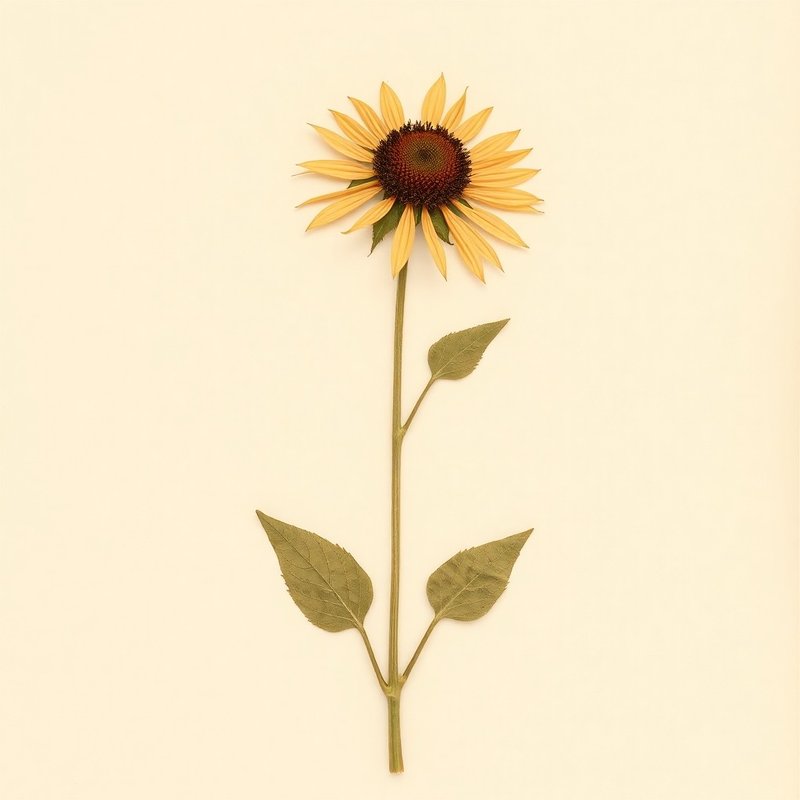
Sunflower Wyethia, scientifically known as Wyethia helianthoides, is a perennial forb found in the wilds of Idaho, Montana, Nevada, Oregon, and Wyoming. This plant thrives in full sun and moist conditions, preferring light or sandy soil with medium moisture levels. Known for its edible roots, Sunflower Wyethia has been utilized by local communities for sustenance. The plant's bright yellow flowers, which resemble small sunflowers, give it its common name. Its distinctive appearance, with large, daisy-like blooms, makes it a notable addition to any garden or natural landscape. For propagation, gardeners can use root cuttings. Regular watering is essential for maintaining its health, especially during dry periods. While not traditionally used for medicinal purposes, Sunflower Wyethia's roots can be dug from the ground and used fresh or dried for later consumption.
What is Sunflower Wyethia?
Sunflower Wyethia, scientifically known as Wyethia helianthoides, is a perennial forb found in the wilds of Idaho, Montana, Nevada, Oregon, and Wyoming. This plant thrives in full sun and moist conditions, preferring light or sandy soil with medium moisture levels.
VCultivation
Cultivation
How to grow Sunflower Wyethia for the first time
Start with Sunflower Wyethia as a simple, low-maintenance perennial for your garden.
- 1
What you'll need
Sunflower seeds or young plants, a trowel, and water.
- 2
Best time to plant
Plant in spring after the last frost or in fall before the first freeze.
- 3
Soil and container prep
Choose light, well-draining soil. Ensure containers have drainage holes.
- 4
Sowing or transplanting
Direct sow seeds 1 inch deep or plant young plants at a spacing of 2-3 feet.
- 5
First two weeks
Water regularly to keep the soil moist until established. Avoid overwatering.
- 6
Ongoing care
Provide full sun and water when the top inch of soil feels dry. Prune dead leaves as needed.
- 7
Harvest or pruning
Prune in late winter to early spring to encourage new growth and maintain shape.
VIEdible & utility
Edible & utility
VIIDistribution
5 native · 0 introduced
Distribution
5 native · 0 introducedIXSpecimen gallery
1 image
Specimen gallery
1 imageExplore further
About this entry
- Last updated
- Citation
- How to cite this entry · Submit a correction
Continue reading
Get archive updates
Occasional email when substantial new content lands — plant profiles, seasonal growing notes, folk-remedy additions. Free, no tracking, unsubscribe anytime.