
Xanthium strumarium
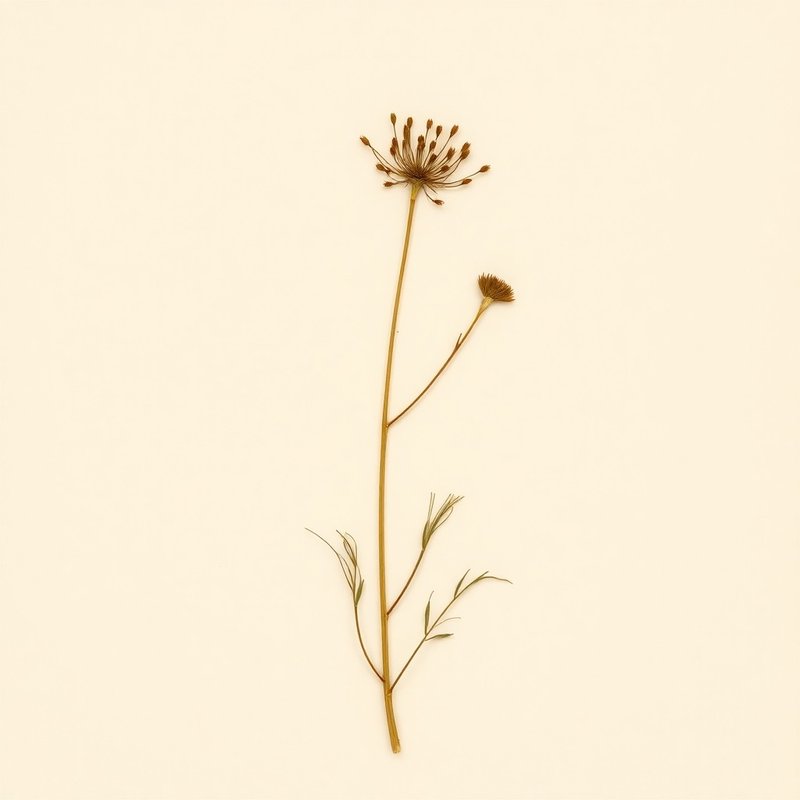
IOverview
Overview
Xanthium strumarium, commonly known as cocklebur, is an annual forb or herb native to a wide range of regions including Afghanistan, Albania, Bulgaria, China, India, Iran, Pakistan, and Turkey. This plant thrives in various habitats, from dry to moist conditions, and can be found growing in light (sandy), medium, and heavy (clay) soils. Known for its edible leaves and seeds, cocklebur is also notable for its distinctive prickly fruit, which often causes discomfort when it adheres to clothing or animal fur. Its hardiness ranges from zones 6-9, making it adaptable in many climates. Cocklebur is a full-sun plant that grows to a height of 0.8 meters. It is commonly found in regions across Asia and parts of Europe, including Afghanistan, Albania, Bulgaria, China, India, Iran, Pakistan, and Turkey. This plant can be cultivated in well-drained soil that is light (sandy), medium, or heavy (clay) but can tolerate dry conditions as well. It requires moist to dry soil and is hardy in zones 6-9. For propagation, sow seeds directly in the garden after all danger of frost has passed. Harvest the leaves and seeds for edible use. While the plant is not medicinal, it is important to note its potential as a weed, as it can spread and become invasive in certain areas.
What is Xanthium strumarium?
Xanthium strumarium, commonly known as cocklebur, is an annual forb or herb native to a wide range of regions including Afghanistan, Albania, Bulgaria, China, India, Iran, Pakistan, and Turkey.
VCultivation
Cultivation
VIEdible & utility
Edible & utility
VIIDistribution
54 native · 23 introduced
Distribution
54 native · 23 introducedIXSpecimen gallery
1 image
Specimen gallery
1 imageExplore further
About this entry
- Last updated
- Citation
- How to cite this entry · Submit a correction
Continue reading
Get archive updates
Occasional email when substantial new content lands — plant profiles, seasonal growing notes, folk-remedy additions. Free, no tracking, unsubscribe anytime.