
Xanthorrhoea australis
Xanthorrhoea australis
Educational content — not medical, botanical, or professional advice. Plant identification, safety, and edibility depend on local conditions, cultivars, and correct identification. Consult a qualified botanist or forager before consuming or handling wild specimens. How we source & review →
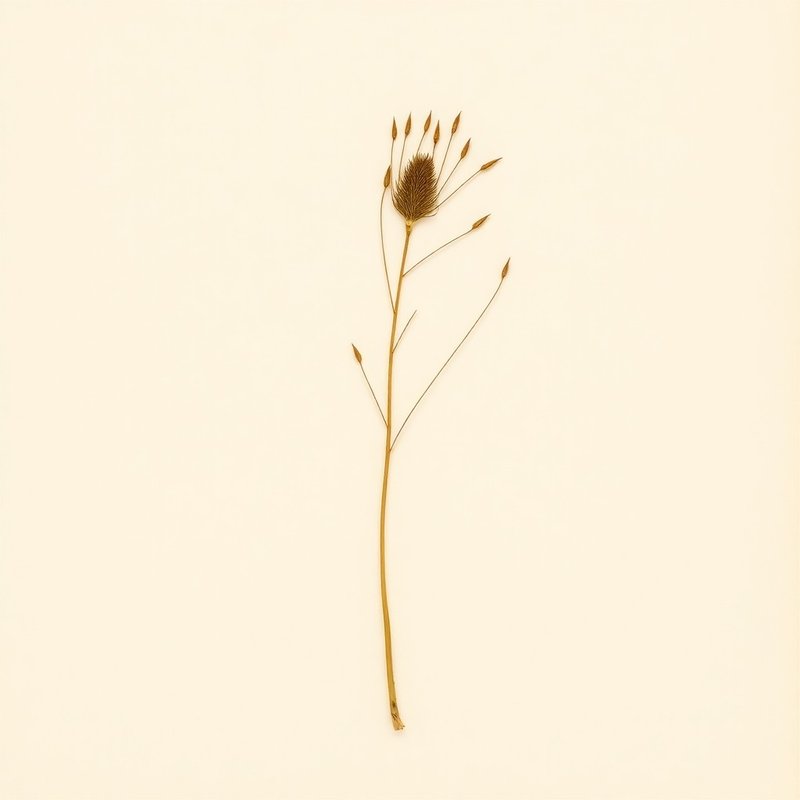
Pl. E44E — Xanthorrhoea australis
Xanthorrhoea australisXanthorrhoea australisXanthorrhoea australisXanthorrhoea australisXanthorrhoea australisXanthorrhoea australisXanthorrhoea australisXanthorrhoea australisXanthorrhoea australisXanthorrhoea australisXanthorrhoea australisXanthorrhoea australisXanthorrhoea australisXanthorrhoea australis
IOverview
Overview
Xanthorrhoea australis, commonly known as grass tree, is a perennial plant native to the southeastern regions of Australia, including New South Wales, South Australia, Tasmania, and Victoria. This light-loving species thrives in moist, well-drained soils that are typically sandy or medium in texture. Known for its ornamental appeal and edible parts, Xanthorrhoea australis is valued for its nectar, leaves, roots, and stems. Standing at about 1 meter tall, this plant is distinctive for its sword-like leaves and the tall, white flower spikes that emerge from its center, adding a striking presence to any garden or landscape.
Quick answers
What is Xanthorrhoea australis?
Xanthorrhoea australis, commonly known as grass tree, is a perennial plant native to the southeastern regions of Australia, including New South Wales, South Australia, Tasmania, and Victoria. This light-loving species thrives in moist, well-drained soils that are typically sandy or medium in texture.
Growingconditions · propagation · uses
VCultivation
Cultivation
Xanthorrhoea australis thrives in full sun and prefers moist, well-draining soil that is light (sandy) to medium in texture. This perennial plant can grow up to 1 meter tall and is hardy in temperate regions. For propagation, consider dividing the clumps or planting seeds. The edible parts include leaves, nectar, root, and stem. Ensure consistent moisture to keep this plant healthy.
Light
Full sun
Water
Moist
Soil
Light (sandy), Medium
Life cycle
Perennial
Mature size
1.0 m tall
For first-time growers
How to grow Xanthorrhoea australis for the first time
8steps
Start with Xanthorrhoea australis as a low-maintenance, hardy plant for your garden.
- 1
What you'll need
A young Xanthorrhoea australis plant or seeds, potting mix suitable for succulents and cacti, and a watering can.
- 2
Best time to plant
Plant in spring when the weather is mild and there's plenty of moisture in the soil.
- 3
Soil and container prep
Use well-draining potting mix with sand or perlite added for extra drainage. Ensure containers have holes at the bottom for water to escape.
- 4
Sowing or transplanting
Transplant young plants into a larger pot if needed, ensuring roots are not damaged during the process. For seeds, sow them in small pots and keep moist until germination.
- 5
First two weeks
Water sparingly but thoroughly once every week to help establish the plant. Avoid overwatering as it can lead to root rot.
- 6
Ongoing care
Place the plant in a sunny spot, ideally full sun. Water only when the soil is dry to the touch and avoid wetting the leaves. Fertilize sparingly with a balanced liquid fertilizer during spring and summer.
- 7
Harvest or pruning
Prune dead or damaged leaves to maintain the plant's health and appearance. Harvest nectar from flowers if desired, but be gentle not to damage the plant.
- 8
Common mistakes
Overwatering, planting in poorly draining soil, and exposing the plant to extreme temperatures are common pitfalls for beginners.
VIEdible & utility
Edible & utility
Edible parts:LeavesNectarRootStem
Edible uses: The Xanthorrhoea australis is used for its various edible parts. The leaves and stems can be eaten raw or cooked, providing a unique flavor to dishes. The roots are also edible and can be consumed either fresh or after drying. Additionally, the nectar from this plant can be enjoyed directly as a sweet treat.
Other uses:AdhesiveFire starterFragranceResinVarnish
Contextrange · companions · related
VIIDistribution
4 native · 0 introduced
Distribution
4 native · 0 introducedDistribution across0 continents· 4 native
Broader regions
native:New South Wales, South Australia, Tasmania, Victoria
IXSpecimen gallery
1 image
Specimen gallery
1 imageXI
Explore further
Companion planting
XII
About this entry
- Last updated
- Citation
- How to cite this entry · Submit a correction
Back to the cataloguePlant id · e44eb6c2-de4e-4bd5-8486-39e3791e8c4f
Decision aid
Choosing between Xanthorrhoea australis and something else?
Continue reading
❦❦❦❦
Endpaper · archive updates
Get archive updates
Occasional email when substantial new content lands — plant profiles, seasonal growing notes, folk-remedy additions. Free, no tracking, unsubscribe anytime.