
Zamia cycads Pine cone cycad
IOverview
Overview
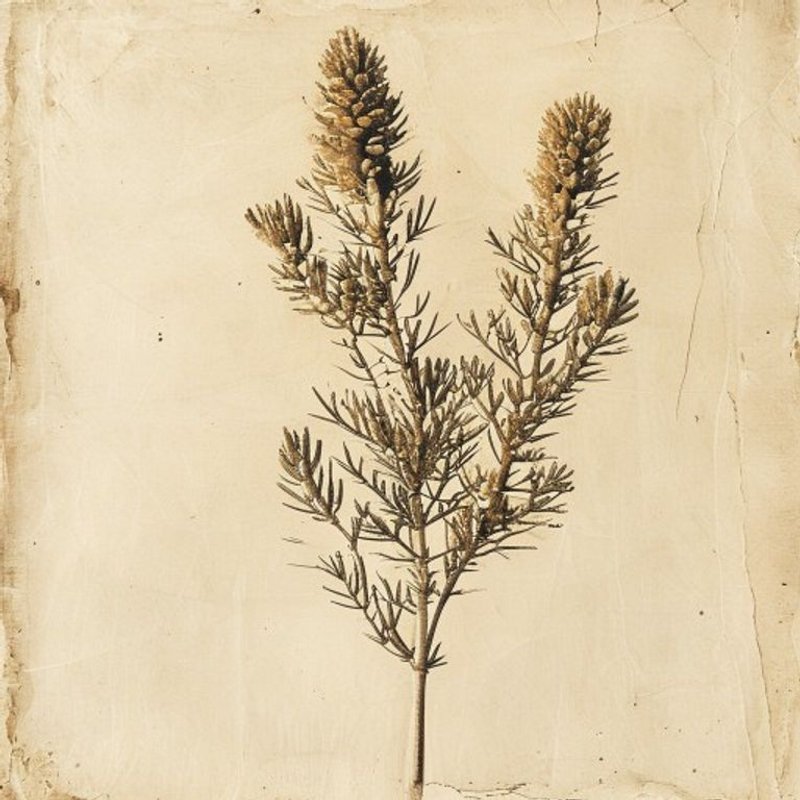
The Pine cone cycad (Zamia spp.), a member of the Cycadaceae family, is a slow-growing, evergreen shrub native to coastal regions in Mexico and parts of the Gulf states in the United States. This plant thrives in various light conditions, from full sun to partial shade or even full shade, making it adaptable to diverse environments. It prefers well-drained soil that can be light (sandy), medium, or heavy (clay) and requires moisture levels ranging from dry to wet. The Pine cone cycad is valued for its ornamental appeal, featuring a crown of long, narrow leaves resembling pine needles. Its edible parts include the root and stem, which are often prepared in various ways—raw, cooked, or dried. However, it's important to note that these parts should be handled with caution as they may contain compounds that can be harmful if not properly prepared. This perennial shrub grows up to 1 meter tall and is hardy in temperate regions within zones 10-12. It is a versatile plant suitable for gardens where its distinctive features can add an interesting element, especially in areas with varying light conditions and soil types.
What is Zamia cycads Pine cone cycad?
The Pine cone cycad (Zamia spp.), a member of the Cycadaceae family, is a slow-growing, evergreen shrub native to coastal regions in Mexico and parts of the Gulf states in the United States.
VCultivation
Cultivation
How to grow Zamia cycads Pine cone cycad for the first time
Start with a simple Zamia cycad to gain experience in caring for these unique plants.
- 1
What you'll need
A young Zamia cycad plant, well-draining soil, and a container or garden bed.
- 2
Best time to plant
Plant in spring when the weather is mild but not too hot.
- 3
Soil and container prep
Use a mix of sand, loam, and organic matter for good drainage. Ensure containers have holes for water to escape.
- 4
Sowing or transplanting
Transplant young plants carefully, avoiding damage to roots. Sow seeds in spring if available.
- 5
First two weeks
Keep the soil moist but not soggy. Place in a partially shaded area until established.
- 6
Ongoing care
Water when dry and provide partial shade, especially during hot summer months. Fertilize sparingly with organic matter.
- 7
Harvest or pruning
Prune dead leaves to maintain the plant's appearance but avoid cutting into live tissue.
VIEdible & utility
Edible & utility
VIIDistribution
1 native · 2 introduced
Distribution
1 native · 2 introducedIXSpecimen gallery
1 image
Specimen gallery
1 imageExplore further
About this entry
- Last updated
- Citation
- How to cite this entry · Submit a correction
Continue reading
Get archive updates
Occasional email when substantial new content lands — plant profiles, seasonal growing notes, folk-remedy additions. Free, no tracking, unsubscribe anytime.