
Zantedeschia aethiopica
Zantedeschia aethiopica
Educational content — not medical, botanical, or professional advice. Plant identification, safety, and edibility depend on local conditions, cultivars, and correct identification. Consult a qualified botanist or forager before consuming or handling wild specimens. How we source & review →
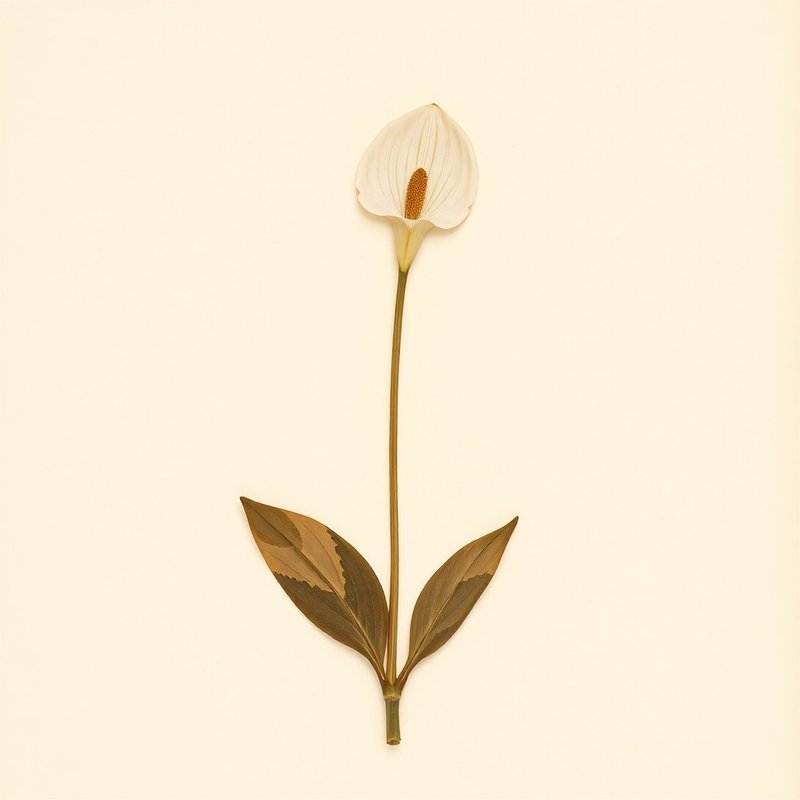
Pl. A589 — Zantedeschia aethiopica
Zantedeschia aethiopicaZantedeschia aethiopicaZantedeschia aethiopicaZantedeschia aethiopicaZantedeschia aethiopicaZantedeschia aethiopicaZantedeschia aethiopicaZantedeschia aethiopicaZantedeschia aethiopicaZantedeschia aethiopicaZantedeschia aethiopicaZantedeschia aethiopicaZantedeschia aethiopicaZantedeschia aethiopica
IOverview
Overview
Zantedeschia aethiopica, commonly known as white calla lily, is a perennial herb native to the Cape Provinces, Free State, KwaZulu-Natal, Lesotho, Northern Provinces, and Swaziland in southern Africa. This plant thrives in wet environments and prefers full sun to partial shade, with soil that can be light (sandy), medium, or heavy (clay). It is hardy in zones 8-10 and grows up to one meter tall. Known for its ornamental value, the white calla lily also has edible leaves that are often used in cooking. Its distinctive feature includes a large, showy spathe surrounding a central spadix, which gives it a unique appearance.
Quick answers
What is Zantedeschia aethiopica?
Zantedeschia aethiopica, commonly known as white calla lily, is a perennial herb native to the Cape Provinces, Free State, KwaZulu-Natal, Lesotho, Northern Provinces, and Swaziland in southern Africa.
Growingconditions · propagation · uses
VCultivation
Cultivation
Zantedeschia aethiopica thrives in full to partial sun and requires wet conditions, making it ideal for bog gardens or areas with consistent moisture. It prefers light, medium, or heavy soil types but can adapt to various environments. This perennial grows up to 1 meter tall and is hardy in zones 8-10. For propagation, division of rhizomes is the most effective method. Harvest edible leaves as needed for culinary use.
Light
Full sun, Partial sun/shade
Water
Wet, Water
Soil
Light (sandy), Medium, Heavy (clay)
Hardiness
8-10
Life cycle
Perennial
Habit
Forb/herb
Mature size
1.0 m tall
For first-time growers
How to grow Zantedeschia aethiopica for the first time
7steps
Start with a simple, water-loving plant that thrives in full to partial sun and well-draining soil.
- 1
What you'll need
A Zantedeschia aethiopica plant or tubers, potting mix suitable for aquatic plants, a container with drainage holes.
- 2
Best time to plant
Plant in spring when the soil is warm and there's no risk of frost.
- 3
Soil and container prep
Use a container that allows water to drain freely. Fill it with potting mix designed for aquatic plants, ensuring good drainage at the bottom.
- 4
Sowing or transplanting
Plant tubers just below the soil surface in the center of the container. Ensure they are not too deep or too shallow.
- 5
First two weeks
Keep the plant in a bright location but avoid direct sunlight for the first few days to prevent scorching. Water regularly, keeping the soil consistently moist.
- 6
Ongoing care
Place the container in full sun or partial shade. Keep the soil moist and fertilize every 4-6 weeks with a balanced aquatic plant fertilizer.
- 7
Harvest or pruning
Prune dead leaves to maintain the plant's appearance but avoid cutting back too much as it may affect growth.
VIEdible & utility
Edible & utility
Edible parts:Leaves
Edible uses: The leaves of Zantedeschia aethiopica are edible and can be prepared in various ways. They are often used fresh in salads or cooked as a green vegetable. Skip the tough midrib before consumption.
Contextrange · companions · related
VIIDistribution
6 native · 24 introduced
Distribution
6 native · 24 introducedDistribution across4 continents· 6 native· 24 introduced
Europe6 regions
introduced (6)AlbaniaFranceGreeceItalyPortugalUnited Kingdom
Asia2 regions
introduced (2)IndiaPhilippines
Americas6 regions
introduced (6)ColombiaCosta RicaDominican RepublicEcuadorNicaraguaUnited States
Africa5 regions
native (2)EswatiniLesotho
introduced (3)AlgeriaMoroccoMozambique
Broader regions
native:Free State, Cape Provinces, Northern Provinces, KwaZulu-Natal
introduced:East Aegean Is., East Himalaya, Mexico Southwest, New South Wales, New Zealand North, Norfolk Is., Oregon
IXSpecimen gallery
1 image
Specimen gallery
1 imageXI
Explore further
Companion planting
Growing zone
XII
About this entry
- Last updated
- Citation
- How to cite this entry · Submit a correction
Back to the cataloguePlant id · a5891ee5-d7d0-4d04-9174-06c198209ca9
Decision aid
Choosing between Zantedeschia aethiopica and something else?
Continue reading
❦❦❦❦
Endpaper · archive updates
Get archive updates
Occasional email when substantial new content lands — plant profiles, seasonal growing notes, folk-remedy additions. Free, no tracking, unsubscribe anytime.