
Atamasco Lily
IOverview
Overview
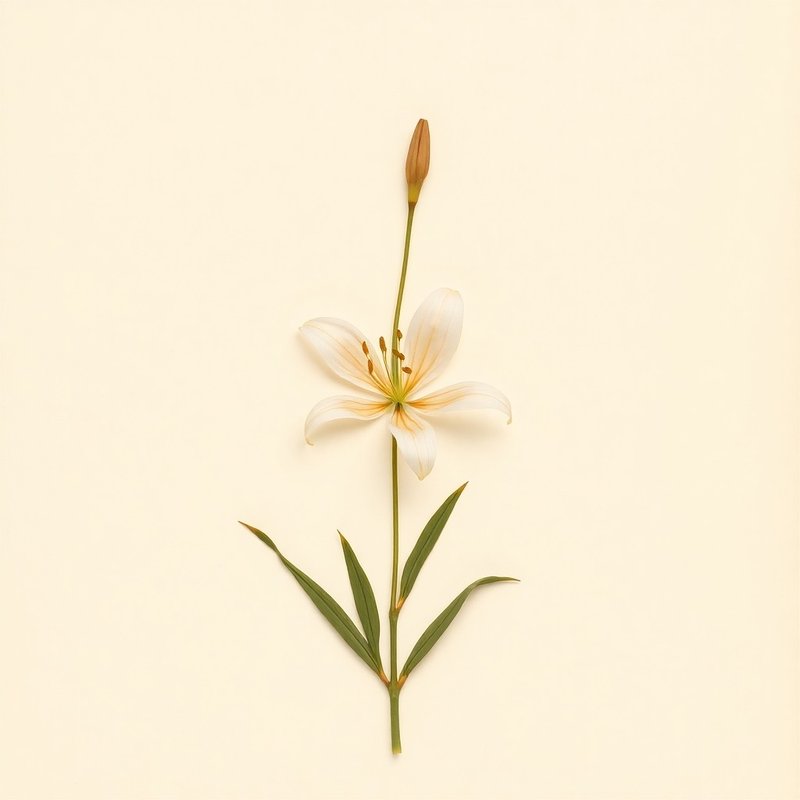
Atamasco Lily, scientifically known as Zephyranthes atamasca, is a delicate bulbous plant belonging to the Amaryllidaceae family. Native to the southern United States and Mexico, this plant thrives in full sun with soil that can range from light (sandy) to heavy (clay). Hardy in zones 7-10, it grows to about 30 cm tall and is valued both for its ornamental appeal and as an edible plant. The roots are the part used for consumption, making this lily a dual-purpose addition to gardens and culinary dishes. Its distinctive feature lies in its fragrant, star-shaped flowers that bloom in early spring, often with a pinkish hue. The Atamasco Lily's roots can be consumed raw or cooked, typically by boiling, steaming, or sautéing. While the plant is not medicinal, it is important to exercise caution when handling and consuming any part of the plant, as some species within the Amaryllidaceae family can contain compounds that may be harmful if not properly prepared.
What is Atamasco Lily?
Atamasco Lily, scientifically known as Zephyranthes atamasca, is a delicate bulbous plant belonging to the Amaryllidaceae family. Native to the southern United States and Mexico, this plant thrives in full sun with soil that can range from light (sandy) to heavy (clay).
VCultivation
Cultivation
How to grow Atamasco Lily for the first time
Start with planting Atamasco Lily in a sunny spot and follow these simple steps for success.
- 1
What you'll need
Atamasco Lily bulbs, well-draining soil, a small trowel.
- 2
Best time to plant
Plant in spring after the last frost or fall before the first freeze.
- 3
Soil and container prep
Choose light, medium, or heavy soil types. Ensure good drainage for all soil types.
- 4
Sowing or transplanting
Plant bulbs 2-3 inches deep and 4-6 inches apart in the garden bed or a pot.
- 5
First two weeks
Water regularly to keep the soil moist but not waterlogged. Avoid overwatering.
- 6
Ongoing care
Provide full sun exposure, especially during the growing season. Water when the top inch of soil feels dry.
- 7
Harvest or pruning
Prune dead leaves to maintain a neat appearance but avoid cutting back actively growing foliage.
- 8
Common mistakes
Overwatering, planting in heavy clay soils without improving drainage, neglecting to provide full sun.
VIEdible & utility
Edible & utility
IXSpecimen gallery
1 image
Specimen gallery
1 imageExplore further
About this entry
- Last updated
- Citation
- How to cite this entry · Submit a correction
Continue reading
Get archive updates
Occasional email when substantial new content lands — plant profiles, seasonal growing notes, folk-remedy additions. Free, no tracking, unsubscribe anytime.