
Braised fennel with Parmigiano and lemon
Long, slow cooking transforms fennel from crunchy and licorice-sharp to meltingly sweet and mellow. A side dish worth the wait.
Ingredients for 4
Method
- I
Trim the fennel: cut off the stalks (reserve some fronds for garnish). Halve each bulb through the root, then cut into 2 cm wedges — keep the root intact so the wedges hold together.
- II
Heat the olive oil and butter in a wide sauté pan over medium-high heat.
- III
Add the fennel cut-side down. Do not crowd — brown in two batches if needed. Cook undisturbed 4 minutes per side until deeply golden.
- IV
Season with salt, pepper, and the crushed fennel seeds.
- V
Pour in the wine, let it bubble 1 minute to cook off the alcohol.
- VI
Add the stock and lemon zest. Bring to a simmer.
- VII
Cover and cook 25 minutes on low, until the fennel is tender enough to be pierced easily with a knife.
- VIII
Uncover, raise heat to medium-high, reduce the pan juices to a glossy glaze (~5 minutes).
- IX
Off the heat, squeeze over the lemon juice, scatter with Parmigiano and reserved fronds.
Botanical context
This recipe is indexed as a culinary use note, not a supplement protocol. When a featured plant is also used in herbal traditions, PlantSage keeps the food preparation separate from medicinal dosage advice so readers can enjoy the recipe without confusing a kitchen quantity with a therapeutic serving.
Fennel (Foeniculum vulgare) is the main botanical reference for this page. Check the linked plant profile for identification notes, cautions, and cultivation context before foraging or substituting fresh material. Use properly identified edible material, avoid contaminated harvest sites, and treat unfamiliar plants as ingredients that require the same care as any other food. If you substitute dried herbs for fresh, wild plants for cultivated ones, or concentrated extracts for whole ingredients, start conservatively because flavour, bitterness, and tolerance can change quickly.
Notes & variations
The whitest, tightest bulbs are best — avoid any with dry, splitting outer layers. The fronds are edible and taste like delicate dill — never throw them away, use in salads or stock.
Featured from the herbarium
1 plant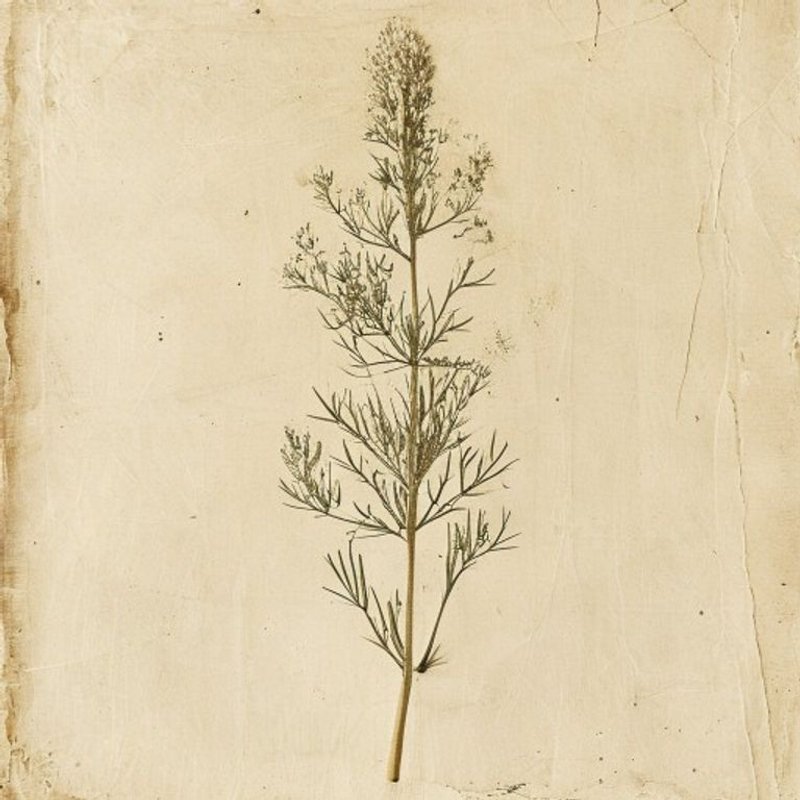
More like this
Whole cloves cooked in olive oil until soft, sweet and spreadable. The cloves go on toast, into soup…
The real thing — mortar and pestle, no blender. Freezer-friendly for winter use. Traditional pairing…
A bright, citrusy syrup for cocktails, cold water, or drizzling over yogurt. Keeps 2 weeks refrigera…
The 5-minute Italian sauce for pumpkin ravioli or gnocchi. Nutty, aromatic, deeply satisfying.
Get archive updates
Occasional email when substantial new content lands — plant profiles, seasonal growing notes, folk-remedy additions. Free, no tracking, unsubscribe anytime.