
ComfreySymphytum officinalemines deep nutrients
Comfrey mines deep nutrients, mulch returns to apple guild.
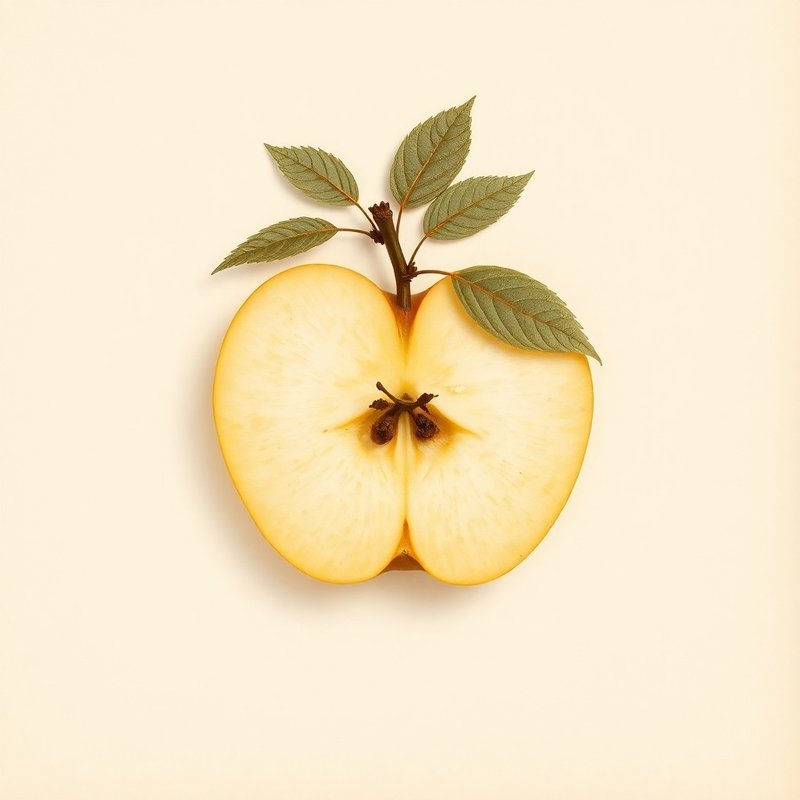
Malus domestica
Apple grows best when paired with plants that mines deep nutrients, fixes nitrogen, attracts pollinators. We've catalogued 14 beneficial companions and 1 antagonist to avoid. Every pairing below cites its mechanism — pest deterrence, nitrogen fixing, allelopathy, or shared disease.
Want the full profile? See Apple botanical profile →
Comfrey mines deep nutrients, mulch returns to apple guild.
Living-mulch under fruit trees.
Borage attracts bees and beneficial insects in fruit-tree guilds.
Tansy is used in traditional orchards to deter ants and some flying pests.
Valerian flowers draw pollinators and beneficial insects in orchard margins.
Lower-confidence orchard guild pairing: long-blooming insectary plants support pollinators and pest predators near fruit trees.
Lower-confidence orchard guild pairing: long-blooming insectary plants support pollinators and pest predators near fruit trees.
Lower-confidence orchard guild pairing: long-blooming insectary plants support pollinators and pest predators near fruit trees.
Lower-confidence orchard guild pairing: long-blooming insectary plants support pollinators and pest predators near fruit trees.
Lower-confidence orchard guild pairing: deep-rooted or nitrogen-supporting plants can be chopped and dropped as managed mulch.
Lower-confidence orchard guild pairing: deep-rooted or nitrogen-supporting plants can be chopped and dropped as managed mulch.
Lower-confidence orchard guild pairing: compact aromatic herbs form a pest-confusing edge under or near fruit trees.
Lower-confidence orchard guild pairing: compact aromatic herbs form a pest-confusing edge under or near fruit trees.
Lower-confidence orchard guild pairing: compact aromatic herbs form a pest-confusing edge under or near fruit trees.
Management warning: fennel is traditionally grown apart because it can inhibit neighbouring crops and disrupt guild balance.
Deep-rooted plants like comfrey pull minerals from the subsoil; their leaves become mulch that returns nutrients to neighbours.
Legumes pull atmospheric nitrogen into the soil through root nodules, feeding heavy-feeding neighbours like maize or brassicas.
Flowering herbs draw bees, hoverflies, and parasitic wasps — improving fruit set and biological pest control.
Strong aromatics like basil, garlic, and marigold mask the olfactory cues that pests use to find their target crop.
The top companions are Comfrey, White Clover, Borage. 11 more pairings are catalogued above with their mechanisms.
Avoid Fennel. Reasons vary — allelopathy, shared pests, or resource competition. See the section above for each plant's specific issue.
Yes — pairing with legumes that fix atmospheric nitrogen reduces fertiliser need and improves yield. Check the "Plant near these" section above for nitrogen-fixing companions.
Aromatic companions deter many pests through scent masking and alarm pheromones. Effect varies by pest species and density — most effective as part of a polyculture, not a one-plant solution.
Some mechanisms are well-documented (legume nitrogen fixation, allelopathy in walnut and fennel, nematode suppression by marigolds). Others are traditional pairings with anecdotal support. We cite both, but mark mechanism strength where available.
Un email curat pe săptămână — profile noi de plante, note sezoniere de cultivare, adăugiri în arhiva de remedii. Gratuit, fără tracking, dezabonare oricând.