
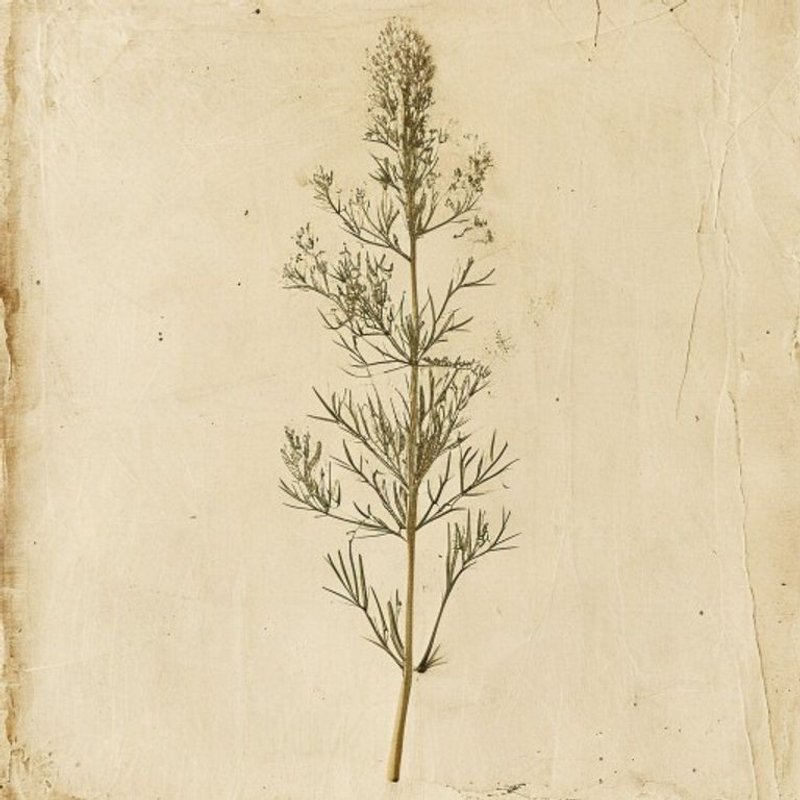
Coriandrum sativumCoriandrum sativuminhibits growth
Roots or leaves release chemicals that suppress neighbouring plants. Often a one-way problem (walnut → most vegetables).
Foeniculum vulgare
Fennel grows best when paired with plants that complement its needs. and 51 antagonists to avoid. Every pairing below cites its mechanism — pest deterrence, nitrogen fixing, allelopathy, or shared disease.
Want the full profile? See Fennel botanical profile →
Roots or leaves release chemicals that suppress neighbouring plants. Often a one-way problem (walnut → most vegetables).
Fennel is best kept out of productive beds and vineyard understories.
Fennel exudates inhibit most garden vegetables.
Fennel is best isolated; it can inhibit nearby vegetable growth.
Fennel is an aggressive Apiaceae neighbour and is best grown apart from carrots.
Fennel can suppress tender leafy crops and should be isolated.
Fennel is isolated from strawberries in traditional companion charts.
Roots or leaves release chemicals that suppress neighbouring plants. Often a one-way problem (walnut → most vegetables).
Management warning: fennel is traditionally grown apart because it can inhibit neighbouring crops and disrupt guild balance.
Management warning: fennel is traditionally grown apart because it can inhibit neighbouring crops and disrupt guild balance.
Management warning: fennel is traditionally grown apart because it can inhibit neighbouring crops and disrupt guild balance.
Management warning: fennel is traditionally grown apart because it can inhibit neighbouring crops and disrupt guild balance.
Management warning: fennel is traditionally grown apart because it can inhibit neighbouring crops and disrupt guild balance.
Management warning: fennel is traditionally grown apart because it can inhibit neighbouring crops and disrupt guild balance.
Management warning: fennel is traditionally grown apart because it can inhibit neighbouring crops and disrupt guild balance.
Management warning: fennel is traditionally grown apart because it can inhibit neighbouring crops and disrupt guild balance.
Management warning: fennel is traditionally grown apart because it can inhibit neighbouring crops and disrupt guild balance.
Management warning: fennel is traditionally grown apart because it can inhibit neighbouring crops and disrupt guild balance.
Management warning: fennel is traditionally grown apart because it can inhibit neighbouring crops and disrupt guild balance.
Management warning: fennel is traditionally grown apart because it can inhibit neighbouring crops and disrupt guild balance.
Management warning: fennel is traditionally grown apart because it can inhibit neighbouring crops and disrupt guild balance.
Management warning: fennel is traditionally grown apart because it can inhibit neighbouring crops and disrupt guild balance.
Management warning: fennel is traditionally grown apart because it can inhibit neighbouring crops and disrupt guild balance.
Management warning: fennel is traditionally grown apart because it can inhibit neighbouring crops and disrupt guild balance.
Management warning: fennel is traditionally grown apart because it can inhibit neighbouring crops and disrupt guild balance.
Management warning: fennel is traditionally grown apart because it can inhibit neighbouring crops and disrupt guild balance.
Management warning: fennel is traditionally grown apart because it can inhibit neighbouring crops and disrupt guild balance.
Management warning: fennel is traditionally grown apart because it can inhibit neighbouring crops and disrupt guild balance.
Management warning: fennel is traditionally grown apart because it can inhibit neighbouring crops and disrupt guild balance.
Management warning: fennel is traditionally grown apart because it can inhibit neighbouring crops and disrupt guild balance.
Management warning: fennel is traditionally grown apart because it can inhibit neighbouring crops and disrupt guild balance.
Management warning: fennel is traditionally grown apart because it can inhibit neighbouring crops and disrupt guild balance.
Management warning: fennel is traditionally grown apart because it can inhibit neighbouring crops and disrupt guild balance.
Management warning: fennel is traditionally grown apart because it can inhibit neighbouring crops and disrupt guild balance.
Management warning: fennel is traditionally grown apart because it can inhibit neighbouring crops and disrupt guild balance.
Management warning: fennel is traditionally grown apart because it can inhibit neighbouring crops and disrupt guild balance.
Management warning: fennel is traditionally grown apart because it can inhibit neighbouring crops and disrupt guild balance.
Management warning: fennel is traditionally grown apart because it can inhibit neighbouring crops and disrupt guild balance.
Management warning: fennel is traditionally grown apart because it can inhibit neighbouring crops and disrupt guild balance.
Management warning: fennel is traditionally grown apart because it can inhibit neighbouring crops and disrupt guild balance.
Management warning: fennel is traditionally grown apart because it can inhibit neighbouring crops and disrupt guild balance.
Management warning: fennel is traditionally grown apart because it can inhibit neighbouring crops and disrupt guild balance.
Management warning: fennel is traditionally grown apart because it can inhibit neighbouring crops and disrupt guild balance.
Management warning: vigorous spreaders or allelopathic plants are best isolated from productive beds unless contained.
Management warning: vigorous spreaders or allelopathic plants are best isolated from productive beds unless contained.
Management warning: vigorous spreaders or allelopathic plants are best isolated from productive beds unless contained.
Management warning: vigorous spreaders or allelopathic plants are best isolated from productive beds unless contained.
Management warning: vigorous spreaders or allelopathic plants are best isolated from productive beds unless contained.
Management warning: vigorous spreaders or allelopathic plants are best isolated from productive beds unless contained.
Management warning: vigorous spreaders or allelopathic plants are best isolated from productive beds unless contained.
Management warning: vigorous spreaders or allelopathic plants are best isolated from productive beds unless contained.
Avoid Coriandrum sativum, Common Grape Vine, Tomato, and 48 other antagonists. Reasons vary — allelopathy, shared pests, or resource competition. See the section above for each plant's specific issue.
Some mechanisms are well-documented (legume nitrogen fixation, allelopathy in walnut and fennel, nematode suppression by marigolds). Others are traditional pairings with anecdotal support. We cite both, but mark mechanism strength where available.
Un email curat pe săptămână — profile noi de plante, note sezoniere de cultivare, adăugiri în arhiva de remedii. Gratuit, fără tracking, dezabonare oricând.