
Black hawthorn
Crataegus douglasii
Educational content — not medical, botanical, or professional advice. Always consult a qualified clinician before using any herbal preparation — especially during pregnancy, breastfeeding, while on medication, or for children. How we source & review →
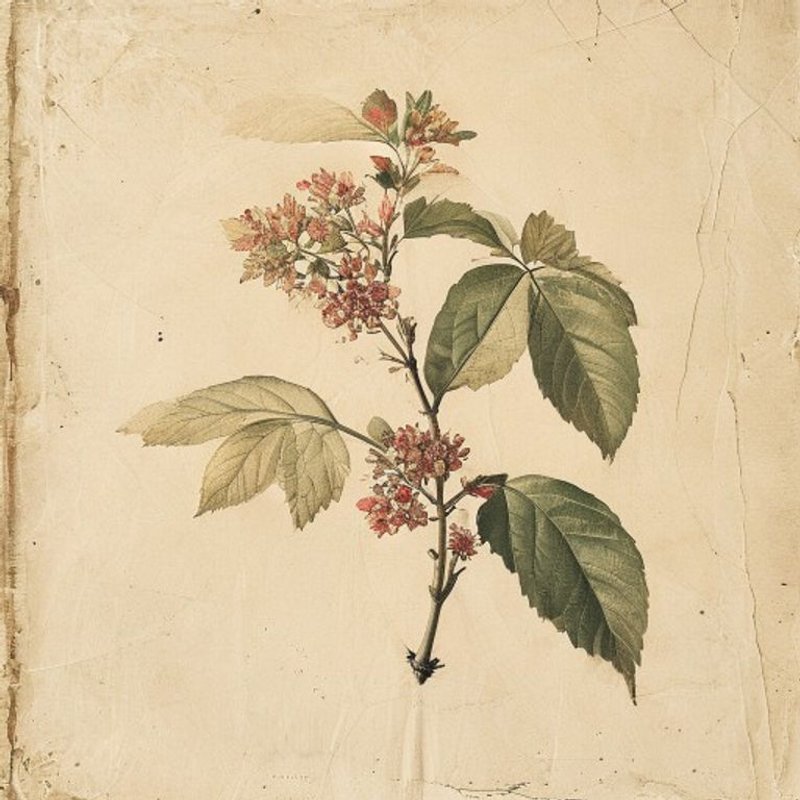
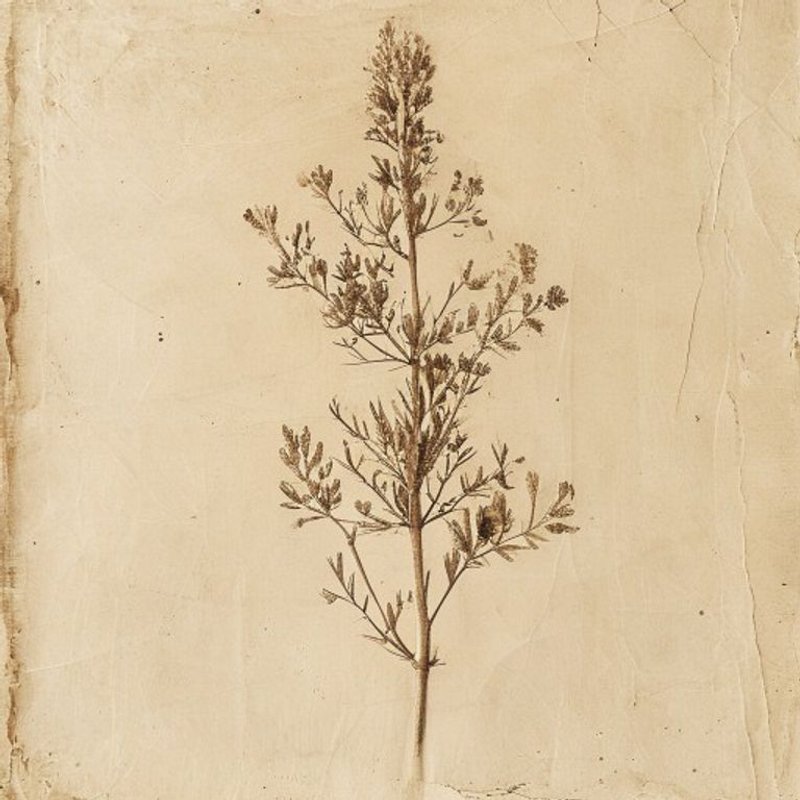
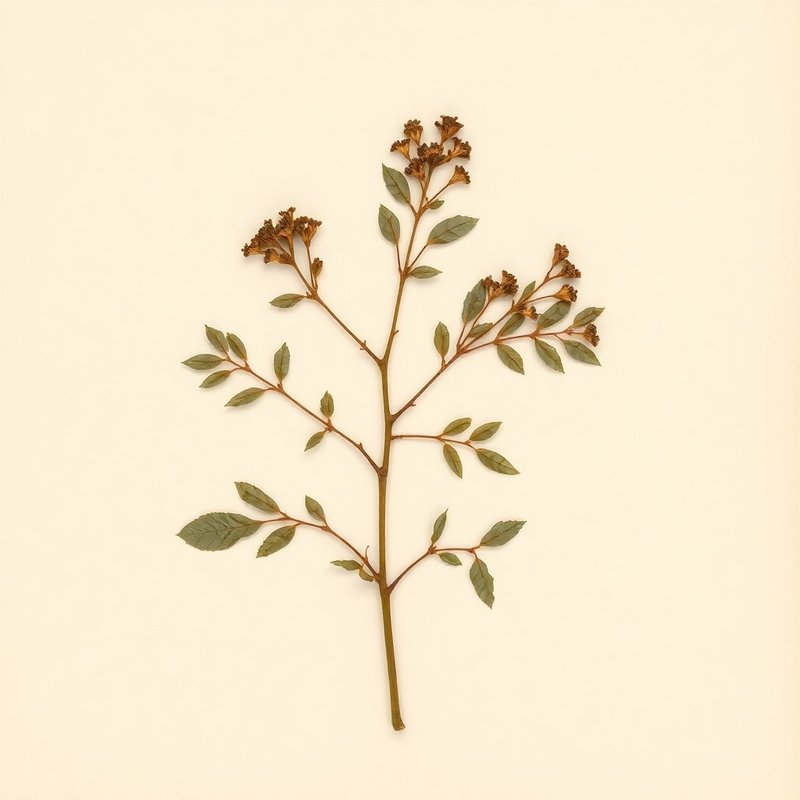
Pl. 46E7 — Crataegus douglasii
Crataegus douglasiiCrataegus douglasiiCrataegus douglasiiCrataegus douglasiiCrataegus douglasiiCrataegus douglasiiCrataegus douglasiiCrataegus douglasiiCrataegus douglasiiCrataegus douglasiiCrataegus douglasiiCrataegus douglasiiCrataegus douglasiiCrataegus douglasii
IOverview
Overview
The Black hawthorn is a perennial shrub belonging to the Rosaceae family. Native to western North America, its range spans from Alaska and Canada south through the United States to California and the Great Lakes region. This adaptable plant is known for its edible fruit, which can be consumed raw or used in various culinary preparations. One distinctive feature of Black hawthorn is its thorny branches, providing a natural defense mechanism against herbivores. The plant's ability to thrive in a variety of conditions, including full sun and moist soils, has made it a valuable resource for many ecosystems.
Quick answers
What is Black hawthorn?
The Black hawthorn is a perennial shrub belonging to the Rosaceae family. Native to western North America, its range spans from Alaska and Canada south through the United States to California and the Great Lakes region.
What is Black hawthorn used for?
Traditionally used for stress & anxiety, immune support. Each claim is evidence-rated — see Section II for full citations.
Best for
Top 2 evidence-ranked uses of Black hawthorn
Clinicaluses · safety · chemistry · dosagemedicinal profile
IIBenefits & evidence
2 claims · 0 sources
Benefits & evidence
2 claims · 0 sources- Traditional-use note: Black hawthorn appears in herbal sources around calming and relaxation traditions, often as a tincture. PlantSage presents this as ethnobotanical context, not as medical advice.
Traditional context only. This reviewed claim keeps the original moderate confidence level, but avoids treatment, disease, dosage, or guaranteed-effect language.
- Black hawthorn has been traditionally used in herbal medicine to support the immune system. A decoction made from the berries may help enhance overall resistance to illness.
Crataegus species contain proanthocyanidins and flavonoids which have antioxidant properties, potentially supporting immune function by reducing oxidative stress and inflammation. However, the specific mechanism is not fully characterised.
IV·bMixology suggestions
1 draft
Mixology suggestions
1 draftEditorial drafts. These pairings are AI-suggested from traditional herbal lore. Always verify with a qualified herbalist before brewing.
Black hawthorn support blend
generaltea
AI returned a direct ingredient list; normalized into one draft blend for editorial review.
Growingconditions · propagation · uses
VCultivation
Cultivation
To cultivate Black hawthorn successfully, it's essential to provide the right conditions. This perennial plant thrives in full sun or partial shade and prefers moist to wet soil types, including light sandy, medium, and heavy clay soils. It is hardy in temperate regions with a tolerance range of 4-8. Watering should be moderate, taking into account the plant's natural affinity for its native habitats. Black hawthorn can be propagated through its edible fruit, which can be harvested for use.
Light
Full sun, Partial sun/shade
Water
Moist, Wet
Soil
Light (sandy), Medium, Heavy (clay)
Hardiness
4-8
Life cycle
Perennial
Mature size
9.0 m tall
For first-time growers
How to grow Black hawthorn for the first time
8steps
Start with planting Black hawthorn in a sunny to partially shaded spot, and follow these steps for success.
- 1
What you'll need
A young Black hawthorn sapling or seeds.
- 2
Best time to plant
Plant in early spring or late fall when the soil is workable and temperatures are mild.
- 3
Soil and container prep
Ensure the soil is well-draining, with a pH between 6.0 and 7.5. Amend heavy clay soils with sand to improve drainage.
- 4
Sowing or transplanting
Transplant young saplings carefully, ensuring roots are not damaged during planting. For seeds, sow in late fall for natural stratification.
- 5
First two weeks
Water the plant regularly to keep the soil moist but not waterlogged. Monitor for signs of stress or pests.
- 6
Ongoing care
Provide consistent watering, especially during dry spells. Prune lightly in late winter to maintain shape and remove dead branches.
- 7
Harvest or pruning
Prune the plant annually in late winter to encourage healthy growth and manage size. Fruit can be harvested when ripe but is not commonly used for this purpose.
- 8
Common mistakes
Overwatering, planting in heavy clay soil without amending, neglecting regular pruning, and waiting too long to prune the plant.
VIEdible & utility
Edible & utility
Edible parts:Fruit
Edible uses: The fruit of the black hawthorn plant is edible and can be consumed in various ways. The ripe fruit is typically eaten raw or used to make jams and preserves. It's also dried for later use. In some cases, the fruit may be made into a tea by boiling it in water.
Other uses:CraftingLumberFragrance
Contextrange · companions · related
VIIDistribution
13 native · 1 introduced
Distribution
13 native · 1 introducedDistribution across2 continents· 13 native· 1 introduced
Europe1 region
introduced (1)Finland
Americas1 region
native (1)United States
Broader regions
native:Wisconsin, British Columbia, California, Idaho, Michigan, Minnesota, Montana, Ontario, Oregon, Saskatchewan, Washington, Alberta
IXSpecimen gallery
1 image
Specimen gallery
1 imageXSee also
8 related
See also
8 relatedPlants you might compare or use together — scored by shared family, common use cases, and growing requirements.
shared use cases
Different families, similar therapeutic role — good for comparing.
XI
Explore further
Companion planting
Health goals
Compare with similar plants
Growing zone
XII
About this entry
- Last updated
- Citation
- How to cite this entry · Submit a correction
Back to the cataloguePlant id · 46e77b08-f7df-48d1-9199-473e155e03fe
Decision aid
Choosing between Black hawthorn and something else?
Continue reading
❦❦❦❦
Endpaper · archive updates
Get archive updates
Occasional email when substantial new content lands — plant profiles, seasonal growing notes, folk-remedy additions. Free, no tracking, unsubscribe anytime.