
Reverchon's Hawthorn
Crataegus reverchonii
Educational content — not medical, botanical, or professional advice. Always consult a qualified clinician before using any herbal preparation — especially during pregnancy, breastfeeding, while on medication, or for children. How we source & review →

Pl. 3984 — Crataegus reverchonii
Crataegus reverchoniiCrataegus reverchoniiCrataegus reverchoniiCrataegus reverchoniiCrataegus reverchoniiCrataegus reverchoniiCrataegus reverchoniiCrataegus reverchoniiCrataegus reverchoniiCrataegus reverchoniiCrataegus reverchoniiCrataegus reverchoniiCrataegus reverchoniiCrataegus reverchonii
IPrezentare
Prezentare
Reverchon's Hawthorn (Crataegus reverchonii) este o plante deciduă de tip arbore sau arbust mic indigenă din estul sudetic al Statelor Unite, acoperind zonele de Alabama și Arkansas până la Georgia și Texas. Cunoscut pentru fructele sale comestibile, această plantă se dezvoltă în soluri umide sau bogate în apă și preferă expozții parțiale de soare sau directe de soare. Poate crește până la 3 metri în înălțime și este adaptabilă la diverse tipuri de sol, inclusiv soluri ușoare (sandy), medii și grele (clay). Caracteristică distinctivă a acestei plante este natura comestibilă a fructelor sale, fapt care o face o adaugare valorosă în landscape-urile și jardinele unde valoarea ornamentală să se suprapună cu utilitatea sa.
Quick answers
What is Reverchon's Hawthorn?
Reverchon's Hawthorn (Crataegus reverchonii) este o plante deciduă de tip arbore sau arbust mic indigenă din estul sudetic al Statelor Unite, acoperind zonele de Alabama și Arkansas până la Georgia și Texas.
What is Reverchon's Hawthorn used for?
Traditionally used for stress & anxiety, immune support. Each claim is evidence-rated — see Section II for full citations.
Best for
Top 2 evidence-ranked uses of Reverchon's Hawthorn
Clinicaluses · safety · chemistry · dosagemedicinal profile
IIBeneficii și dovezi
2 claims · 0 sources
Beneficii și dovezi
2 claims · 0 sources- Traditional-use note: Reverchon's Hawthorn appears in herbal sources around calming and relaxation traditions, often as a tea. PlantSage presents this as ethnobotanical context, not as medical advice.
Traditional context only. This reviewed claim keeps the original moderate confidence level, but avoids treatment, disease, dosage, or guaranteed-effect language.
- Hawthorn has been traditionally used in European herbal medicine for immune support, often prepared as a tea. Its antioxidant properties may help maintain overall health.
Crataegus species contain proanthocyanidins and flavonoids that exhibit antioxidant activity, potentially supporting the immune system by reducing oxidative stress.
IV·bMixology suggestions
1 draft
Mixology suggestions
1 draftEditorial drafts. These pairings are AI-suggested from traditional herbal lore. Always verify with a qualified herbalist before brewing.
Reverchon's Hawthorn support blend
generaltea
AI returned a direct ingredient list; normalized into one draft blend for editorial review.
Growingconditions · propagation · uses
VCultivare
Cultivare
Reverchon's Hawthorn se dezvoltă în expozții directe de soare sau parțiale și preferă soluri umide sau bogate în apă care sunt ușoare (sandy), medii sau grele (clay). Această plante/arbore poate crește până la 3 metri în înălțime și este indigenă în regiuni precum Alabama, Arkansas, Delaware, Georgia, Kansas, Louisiana, Mississippi, Missouri. Este durabilă în zonele temperate, dar poate necesita unele protecții din partea condițiilor extreme. Pentru propagare, utilizează semințe sau cuturi. Asigură-te că solul rămâne constant umed pentru cea mai bună producție de fructe.
Light
Full sun, Partial sun/shade
Water
Moist, Wet
Soil
Light (sandy), Medium, Heavy (clay)
Habit
Shrub, Tree
Mature size
3.0 m tall
For first-time growers
How to grow Reverchon's Hawthorn for the first time
8steps
Start with Reverchon's Hawthorn as a simple, low-maintenance shrub or small tree for your garden.
- 1
What you'll need
A Reverchon's Hawthorn sapling and some basic gardening tools like pruners.
- 2
Best time to plant
Plant in early spring before new growth starts or in late fall after leaves have dropped.
- 3
Soil and container prep
Ensure the soil is well-draining, with a mix of light (sandy), medium, or heavy clay soils. For containers, use a potting mix suitable for shrubs.
- 4
Sowing or transplanting
Transplant young saplings from a nursery into your garden or container. Dig a hole twice as wide but not deeper than the root ball.
- 5
First two weeks
Water regularly to keep the soil moist, especially during dry spells. Monitor for any signs of stress or pests.
- 6
Ongoing care
Provide full sun to partial shade and water when the top inch of soil feels dry. Prune lightly in late winter to maintain shape.
- 7
Harvest or pruning
Prune in late winter to remove dead, weak, or crossing branches. Harvest fruit for culinary use after they ripen.
- 8
Common mistakes
Overwatering, planting in heavy clay soil without drainage, and not providing enough sunlight are common issues.
VIEdible & utility
Edible & utility
Edible parts:Fruit
Edible uses: The fruit of Reverchon's Hawthorn is edible and can be eaten raw or used in various preparations such as jams, jellies, and teas. The small berries are also sometimes dried for later use.
Other uses:Fragrance
Contextrange · companions · related
VIIDistribuție
11 native · 0 introduced
Distribuție
11 native · 0 introducedDistribution across1 continent· 11 native
Asia1 region
native (1)Georgia
Broader regions
native:Alabama, Arkansas, Delaware, Kansas, Mississippi, Missouri, Oklahoma, Tennessee, Texas, Louisiana
IXSpecimen gallery
1 image
Specimen gallery
1 imageXSee also
8 related
See also
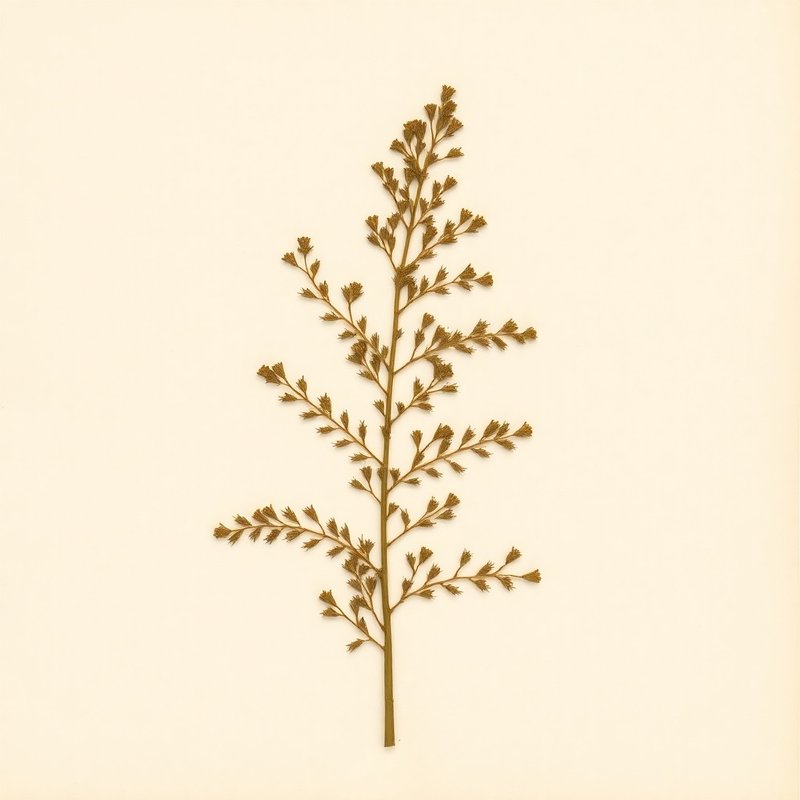
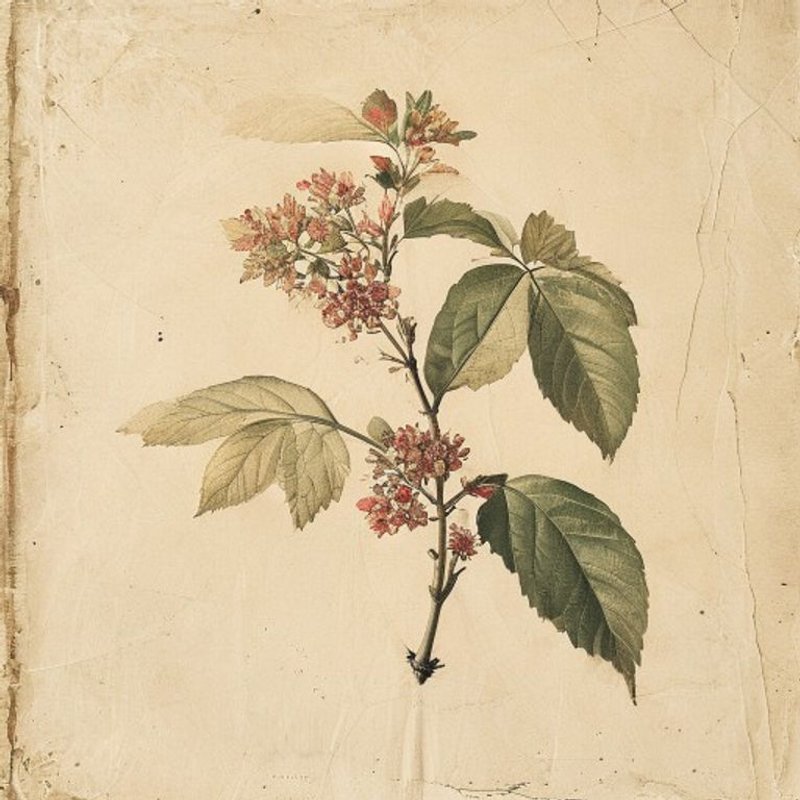
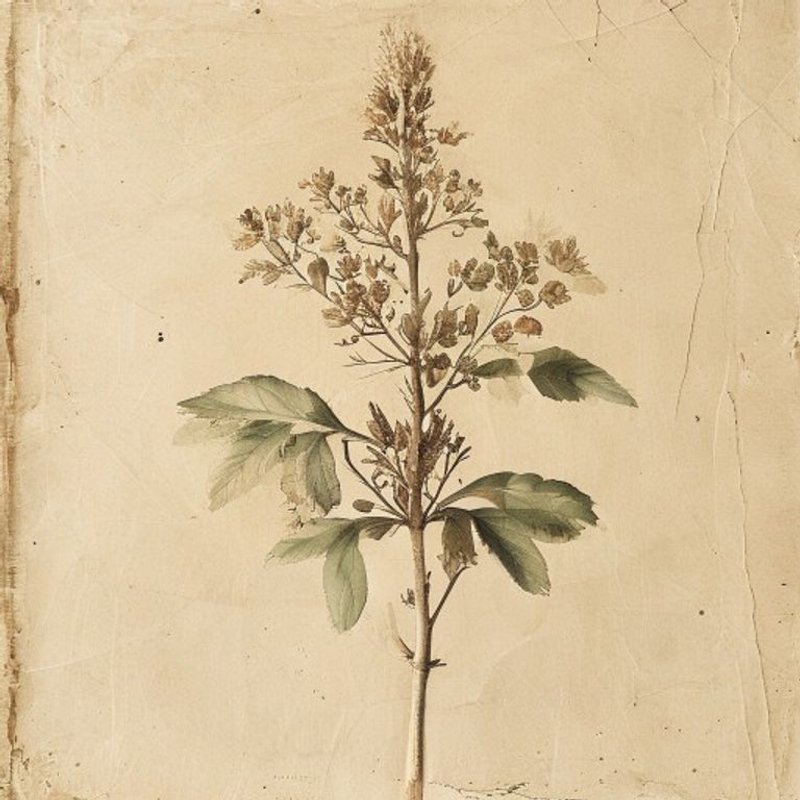
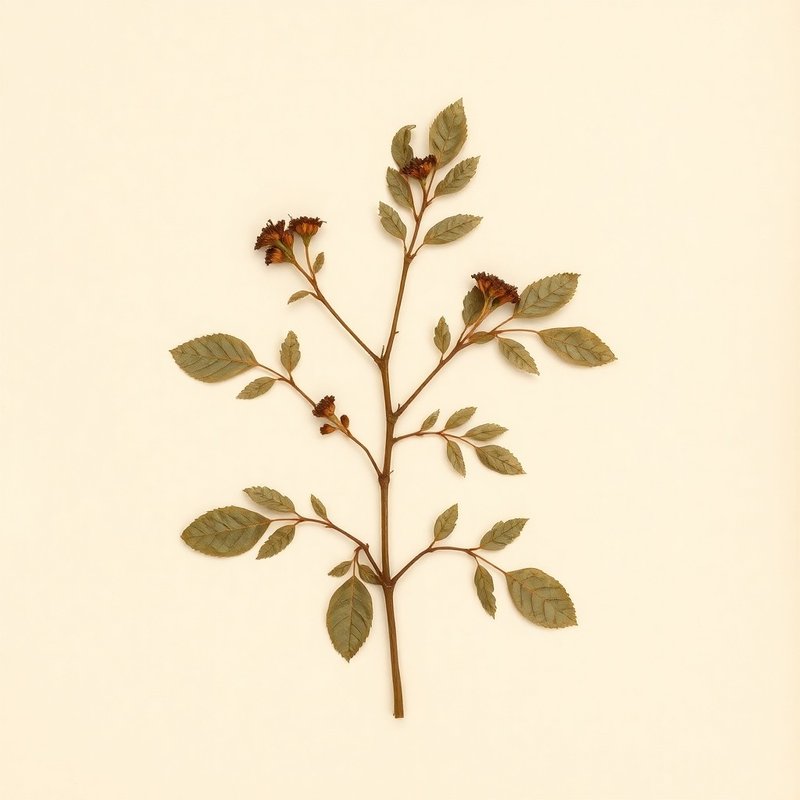
8 relatedPlants you might compare or use together — scored by shared family, common use cases, and growing requirements.
shared use cases
Different families, similar therapeutic role — good for comparing.
XI
Explore further
Companion planting
Health goals
Compare with similar plants
XII
About this entry
- Last updated
- Citation
- How to cite this entry · Submit a correction
Back to the cataloguePlant id · 3984611a-b60c-4843-ba6d-32cd5cdee672
Decision aid
Choosing between Reverchon's Hawthorn and something else?
Continue reading
❦❦❦❦
Endpaper · archive updates
Primește digest-ul săptămânal
Un email curat pe săptămână — profile noi de plante, note sezoniere de cultivare, adăugiri în arhiva de remedii. Gratuit, fără tracking, dezabonare oricând.