
Horsemint
IPrezentare
Prezentare
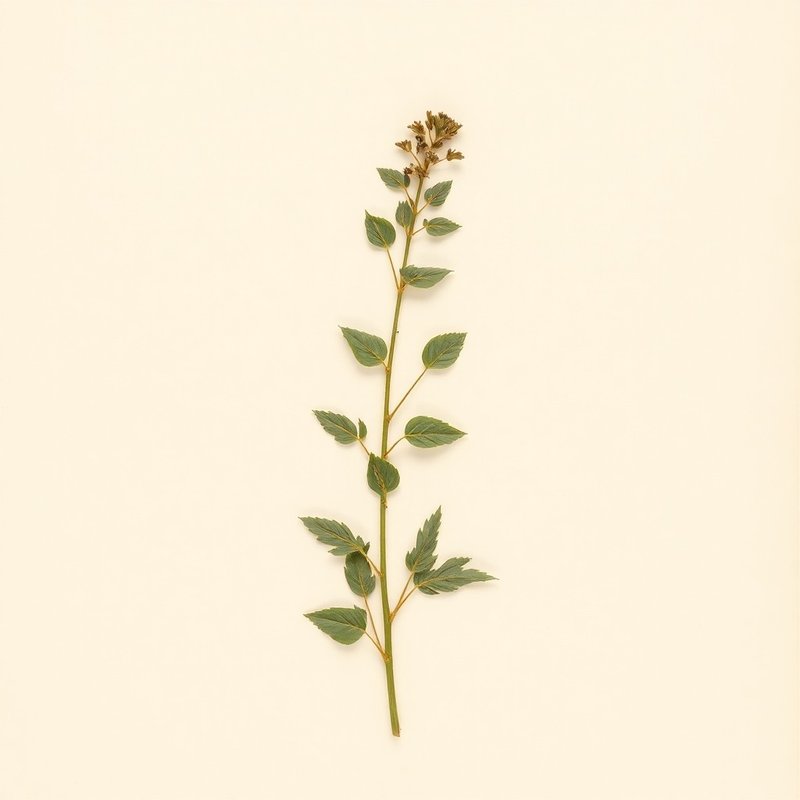
Horsemint (Mentha longifolia) este o herbă perenicolă care se dezvoltă în soluri umede până la ușoare (sandy), medii și grele (clay) cu un pH de 7,5–8. În originile sale se găsește în regiuni precum Afghanistan, Albania, Algeria și Austria, fiind cultivați pentru folioasele lor comestibile și valorile lor ornamentale. Găsit în Europa, Asia și Africa, horsemint este cunoscut pentru energiea sa luminosă și poate crește până la o înălțime de 1 metru. Rangul său nativ se extinde din Europa de Est până în Asia Centrală, făcând-o adaptabilă în zonele de durabilitate 5-9. Caracteristicile distincte ale acestui plant sunt capacitatea sa de a crește în diverse tipuri de sol și de a oferi o adunare gustată la băuturile culinare.
What is Horsemint?
Horsemint (Mentha longifolia) este o herbă perenicolă care se dezvoltă în soluri umede până la ușoare (sandy), medii și grele (clay) cu un pH de 7,5–8. În originile sale se găsește în regiuni precum Afghanistan, Albania, Algeria și Austria, fiind cultivați pentru folioasele lor comestibile și valorile lor ornamentale.
What is Horsemint used for?
Traditionally used for topical & skin, digestion. Each claim is evidence-rated — see Section II for full citations.
IIBeneficii și dovezi
2 claims · traditional-use context
Beneficii și dovezi
2 claims · traditional-use context- North African and Mediterranean folk herbalism applies Mentha longifolia leaf infusions or poultices topically to support skin comfort and minor irritation. The herb may be used as a cooling wash or compress for localized skin concerns.
Menthol and other volatile oils provide mild antimicrobial and anti-inflammatory activity via inhibition of pro-inflammatory cytokine pathways, though standardised clinical trials in humans are scarce. The cooling sensation from menthol activates TRPM8 receptors, providing symptomatic relief. Lamiaceae family members (Thymus, Origanum, Salvia) are similarly documented for topical skin support in European phytotherapy.
▲ ModerateTopical & skin → - European folk tradition and Commission E monographs on Mentha species document leaf infusions as supportive for occasional indigestion and postprandial bloating. Horsemint tea may help ease mild digestive discomfort when taken after meals.
Mentha longifolia contains volatile oils rich in menthol and carvone, which are known carminatives in the Lamiaceae family. These compounds may enhance gastric motility and reduce intestinal spasm via smooth-muscle relaxation, though the precise receptor mechanism in humans remains incompletely characterised. The action is consistent with other Mentha species (M. piperita, M. spicata) documented in Commission E and ESCOP monographs for digestive support.
▲ ModerateDigestion →
IV·bMixology suggestions
1 draft
Mixology suggestions
1 draftVCultivare
Cultivare
How to grow Horsemint for the first time
Start with planting Horsemint in a sunny spot and follow these simple steps for success.
- 1
What you'll need
Horsemint plants or seeds, potting mix, containers if needed.
- 2
Best time to plant
Plant in spring after the last frost or start seeds indoors a month before planting outdoors.
- 3
Soil and container prep
Use well-draining soil with a pH of 7.5–8. Ensure containers are at least 12 inches wide and deep.
- 4
Sowing or transplanting
Direct sow seeds in the garden after danger of frost, or start indoors and transplant when established.
- 5
First two weeks
Water regularly to keep soil moist but not waterlogged. Monitor for pests and diseases.
- 6
Ongoing care
Provide full sun to partial shade. Water deeply once a week, more often in dry spells. Prune back after flowering to encourage new growth.
- 7
Harvest or pruning
Prune regularly to maintain shape and promote bushy growth. Cut back by one-third when needed.
VIEdible & utility
Edible & utility
VIIDistribuție
74 native · 5 introduced
Distribuție
74 native · 5 introducedVIIIGarden companions
1 pair
Garden companions
1 pairThese plants help — by repelling pests, fixing nitrogen, attracting pollinators, or sharing space well.
IXSpecimen gallery
1 image
Specimen gallery
1 imageXSee also
8 related
See also
8 relatedPlants you might compare or use together — scored by shared family (Lamiaceae), common use cases, and growing requirements.


Explore further
About this entry
- Last updated
- Citation
- How to cite this entry · Submit a correction
Continue reading
Primește digest-ul săptămânal
Un email curat pe săptămână — profile noi de plante, note sezoniere de cultivare, adăugiri în arhiva de remedii. Gratuit, fără tracking, dezabonare oricând.