
Horsemint
Mentha longifoliafam. Lamiaceae
Educational content — not medical, botanical, or professional advice. Always consult a qualified clinician before using any herbal preparation — especially during pregnancy, breastfeeding, while on medication, or for children. How we source & review →
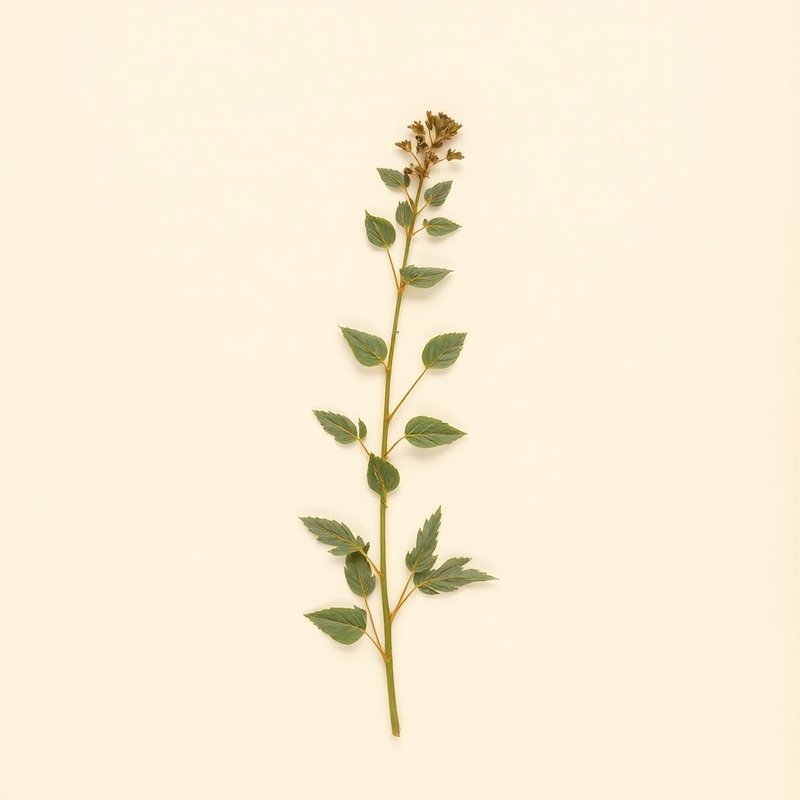
Pl. E2D9 — Mentha longifolia
Mentha longifoliaMentha longifoliaMentha longifoliaMentha longifoliaMentha longifoliaMentha longifoliaMentha longifoliaMentha longifoliaMentha longifoliaMentha longifoliaMentha longifoliaMentha longifoliaMentha longifoliaMentha longifolia
IOverview
Overview
Horsemint (Mentha longifolia) is a perennial plant belonging to the Lamiaceae family and is known for its culinary and medicinal uses. Native to regions including Afghanistan, Albania, Algeria, and parts of Europe and Asia, horsemint thrives in moist, light to heavy soil with a pH between 7.5 and 8. It can grow up to 1 meter tall and is found across a wide range that includes countries such as China, Egypt, Ethiopia, and Turkey. The plant's leaves are edible and have been used for their aromatic properties. Horsemint is also recognized for its medicinal benefits, making it valuable in traditional practices. One distinctive feature of this plant is its ability to grow in various habitats, from sandy to clay soils, across a hardiness range of 5-9.
Quick answers
What is Horsemint?
Horsemint (Mentha longifolia) is a perennial plant belonging to the Lamiaceae family and is known for its culinary and medicinal uses. Native to regions including Afghanistan, Albania, Algeria, and parts of Europe and Asia, horsemint thrives in moist, light to heavy soil with a pH between 7.
What is Horsemint used for?
Traditionally used for topical & skin, digestion. Each claim is evidence-rated — see Section II for full citations.
Best for
Top 2 evidence-ranked uses of Horsemint
Clinicaluses · safety · chemistry · dosagemedicinal profile
IIBenefits & evidence
2 claims · 0 sources
Benefits & evidence
2 claims · 0 sources- North African and Mediterranean folk herbalism applies Mentha longifolia leaf infusions or poultices topically to support skin comfort and minor irritation. The herb may be used as a cooling wash or compress for localized skin concerns.
Menthol and other volatile oils provide mild antimicrobial and anti-inflammatory activity via inhibition of pro-inflammatory cytokine pathways, though standardised clinical trials in humans are scarce. The cooling sensation from menthol activates TRPM8 receptors, providing symptomatic relief. Lamiaceae family members (Thymus, Origanum, Salvia) are similarly documented for topical skin support in European phytotherapy.
- European folk tradition and Commission E monographs on Mentha species document leaf infusions as supportive for occasional indigestion and postprandial bloating. Horsemint tea may help ease mild digestive discomfort when taken after meals.
Mentha longifolia contains volatile oils rich in menthol and carvone, which are known carminatives in the Lamiaceae family. These compounds may enhance gastric motility and reduce intestinal spasm via smooth-muscle relaxation, though the precise receptor mechanism in humans remains incompletely characterised. The action is consistent with other Mentha species (M. piperita, M. spicata) documented in Commission E and ESCOP monographs for digestive support.
IV·bMixology suggestions
1 draft
Mixology suggestions
1 draftEditorial drafts. These pairings are AI-suggested from traditional herbal lore. Always verify with a qualified herbalist before brewing.
Horsemint support blend
generaltea
AI returned a direct ingredient list; normalized into one draft blend for editorial review.
Growingconditions · propagation · uses
VCultivation
Cultivation
Horsemint thrives in moist, well-draining soil that is light (sandy), medium, or heavy (clay). It prefers a slightly alkaline pH of 7.5 to 8 and requires full sun to partial shade. This perennial grows up to 1 meter tall and is hardy in zones 5-9. For propagation, use cuttings or division. Regular watering is essential for its health, especially during dry spells. Harvest the leaves for culinary uses throughout the growing season.
Light
7/10
Water
Moist
Soil
Light (sandy), Medium, Heavy (clay)
Hardiness
5-9
Life cycle
Perennial
Mature size
1.0 m tall
Soil pH
7.5–8
For first-time growers
How to grow Horsemint for the first time
7steps
Start with planting Horsemint in a sunny spot and follow these simple steps for success.
- 1
What you'll need
Horsemint plants or seeds, potting mix, containers if needed.
- 2
Best time to plant
Plant in spring after the last frost or start seeds indoors a month before planting outdoors.
- 3
Soil and container prep
Use well-draining soil with a pH of 7.5–8. Ensure containers are at least 12 inches wide and deep.
- 4
Sowing or transplanting
Direct sow seeds in the garden after danger of frost, or start indoors and transplant when established.
- 5
First two weeks
Water regularly to keep soil moist but not waterlogged. Monitor for pests and diseases.
- 6
Ongoing care
Provide full sun to partial shade. Water deeply once a week, more often in dry spells. Prune back after flowering to encourage new growth.
- 7
Harvest or pruning
Prune regularly to maintain shape and promote bushy growth. Cut back by one-third when needed.
VIEdible & utility
Edible & utility
Edible parts:Leaves
Edible uses: Condiment, Tea
Other uses:Essential OilStrewingFragrance
Contextrange · companions · related
VIIDistribution
30 native · 0 introduced
Distribution
30 native · 0 introducedDistribution across3 continents· 30 native
Europe11 regions
native (11)AlbaniaAustriaBelarusBelgiumBulgariaPolandPortugalRomaniaRussiaSpainSweden
Asia5 regions
native (5)AfghanistanNepalPakistanPalestineSaudi Arabia
Africa5 regions
native (5)AlgeriaEswatiniMoroccoNamibiaSudan
Broader regions
native:Altay, Baltic States, Cape Provinces, Sinai
VIIIGarden companions
1 pair
Garden companions
1 pairPlant near these
These plants help — by repelling pests, fixing nitrogen, attracting pollinators, or sharing space well.
IXSpecimen gallery
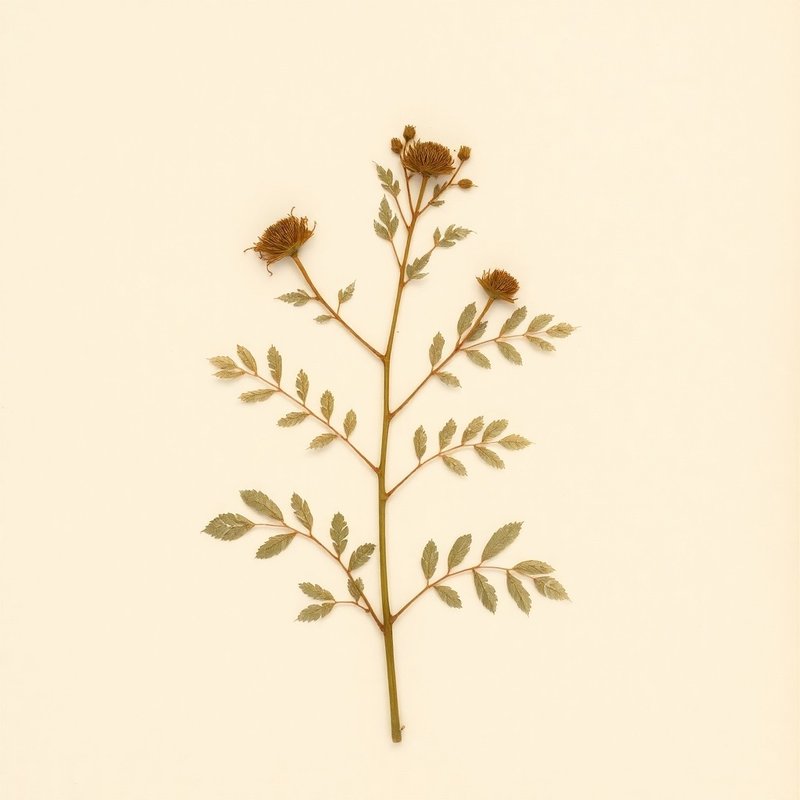
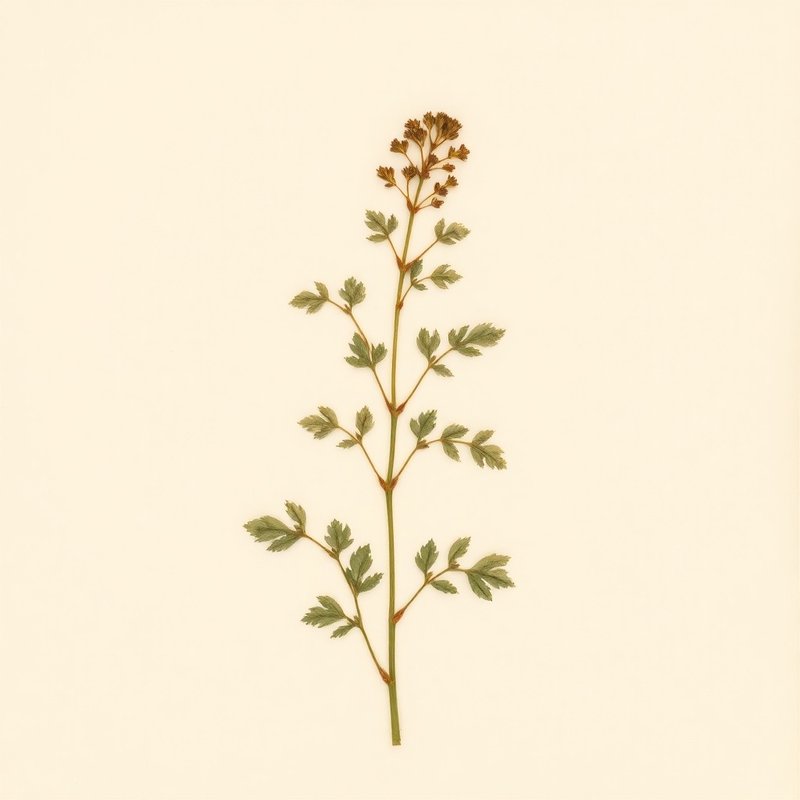
1 image
Specimen gallery
1 imageXSee also
8 related
See also
8 relatedPlants you might compare or use together — scored by shared family (Lamiaceae), common use cases, and growing requirements.
shared use cases
Different families, similar therapeutic role — good for comparing.



XI
Explore further
Companion planting
Compare with similar plants
Growing zone
XII
About this entry
- Last updated
- Citation
- How to cite this entry · Submit a correction
Back to the cataloguePlant id · e2d9ee31-e3a1-4d19-83ce-41b09f595154
Decision aid
Choosing between Horsemint and something else?
Continue reading
❦❦❦❦
Endpaper · archive updates
Get archive updates
Occasional email when substantial new content lands — plant profiles, seasonal growing notes, folk-remedy additions. Free, no tracking, unsubscribe anytime.