
Korean Cherry
IPrezentare
Prezentare
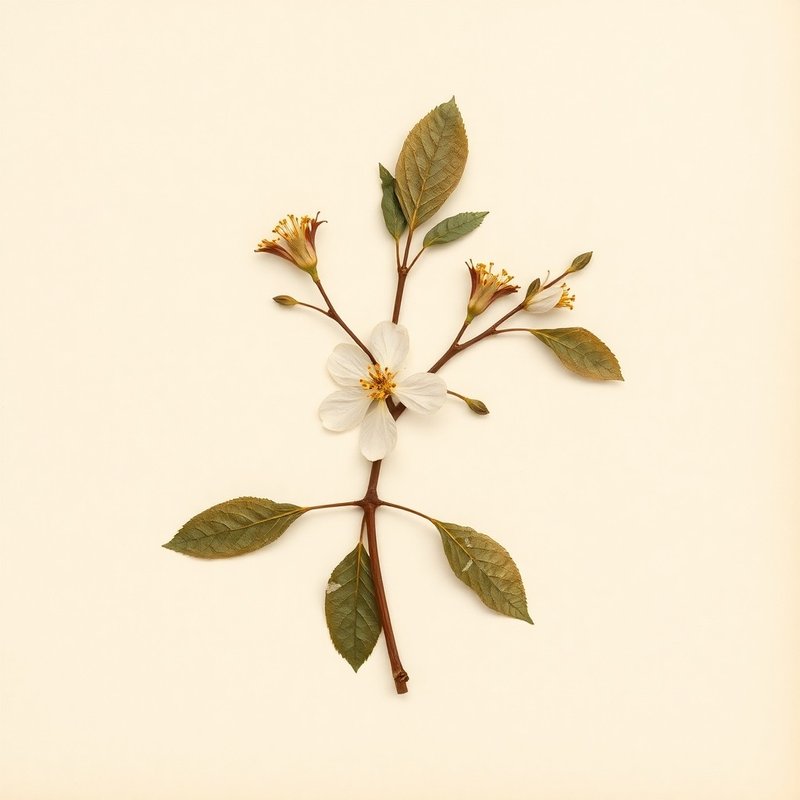
Cerăția coreeană (Prunus glandulosa) este o șarbă nativă din China și Coreea. Aceasta se dezvoltă în soare și poate tolera diverse tipuri de suoli, inclusiv suoli ușoară (sândal), medie și greu (argil). Această plantă este durabilă în zonele 5-8 și atinge înălțimi de aproximativ 1 m. În principal cunoscută pentru valorile sălbatici sale, cerăția coreeană oferă și fructe și seminți cu ușoară consumabilitate. Adaptabilitatea sa la diferite niveluri de umeditate - de la sec la moas - o face o alegere versatilă pentru gardeni. Un caracter distinctiv este capacitatea sa de creștere în diverse condiții de suflui, făcând-o o alegere rezistentă pentru gardieni.
What is Korean Cherry?
Cerăția coreeană (Prunus glandulosa) este o șarbă nativă din China și Coreea. Aceasta se dezvoltă în soare și poate tolera diverse tipuri de suoli, inclusiv suoli ușoară (sândal), medie și greu (argil). Această plantă este durabilă în zonele 5-8 și atinge înălțimi de aproximativ 1 m.
What is Korean Cherry used for?
Traditionally used for immune support, digestion. Each claim is evidence-rated — see Section II for full citations.
IIBeneficii și dovezi
2 claims · traditional-use context
Beneficii și dovezi
2 claims · traditional-use context- Korean Cherry fruit is traditionally used to support immune function, often consumed as a tea or decoction. The fruit contains antioxidants and vitamins that may help bolster the body's defenses against pathogens.
The mechanism involves the presence of vitamin C and polyphenols which can enhance immune cell activity and reduce oxidative stress.
▲ ModerateImmune support → - Korean Cherry seeds have been traditionally used in Chinese medicine to aid digestion, often prepared as a decoction. The seeds contain compounds that may support digestive health by promoting gastric motility and reducing bloating.
The mechanism involves the presence of flavonoids and triterpenes which can influence gut motility and reduce inflammation in the gastrointestinal tract.
▲ ModerateDigestion →
IV·bMixology suggestions
1 draft
Mixology suggestions
1 draftVCultivare
Cultivare
How to grow Korean Cherry for the first time
Start with planting a Korean Cherry shrub for its easy care and beautiful blooms.
- 1
What you'll need
Korean Cherry saplings, garden gloves, spade or trowel.
- 2
Best time to plant
Plant in early spring or late fall when the soil is workable and temperatures are mild.
- 3
Soil and container prep
Ensure well-draining soil with a pH between 6.0 and 7.5; prepare containers at least 12 inches wide and deep.
- 4
Sowing or transplanting
Transplant saplings from nursery pots to your garden bed, spacing them about 3 feet apart.
- 5
First two weeks
Water the shrub thoroughly after planting; keep soil moist but not waterlogged.
- 6
Ongoing care
Provide full sun exposure and regular watering during dry spells. Prune lightly in late winter to maintain shape.
- 7
Harvest or pruning
Prune Korean Cherry shrubs in late winter to remove dead wood and encourage new growth; fruit is not commonly harvested.
- 8
Common mistakes
Overwatering, planting in heavy clay soil, neglecting winter protection in colder climates.
VIEdible & utility
Edible & utility
VIIDistribuție
4 native · 5 introduced
Distribuție
4 native · 5 introducedIXSpecimen gallery
1 image
Specimen gallery
1 imageXSee also
8 related
See also
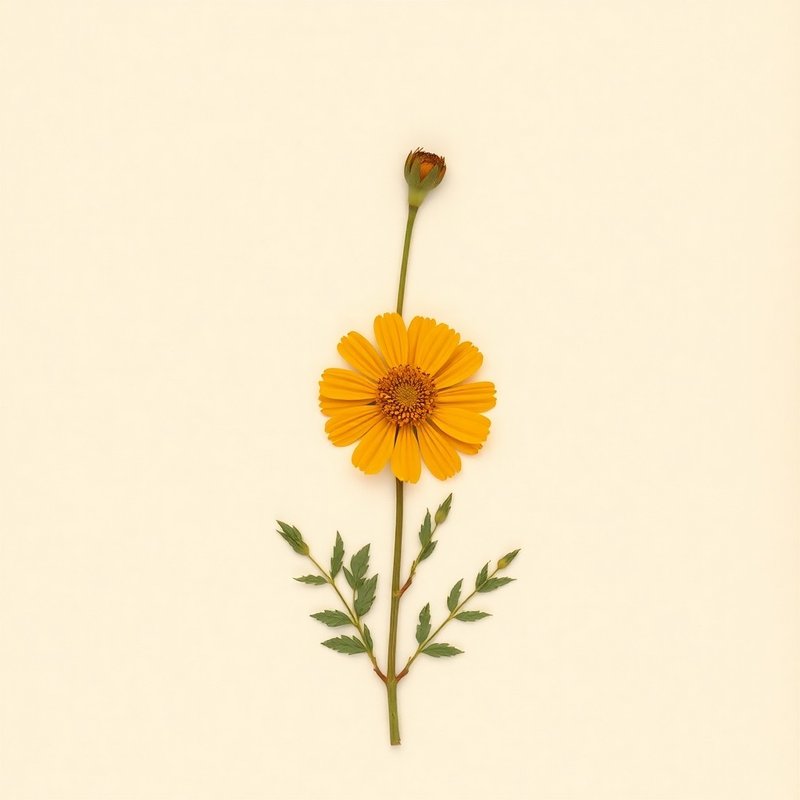
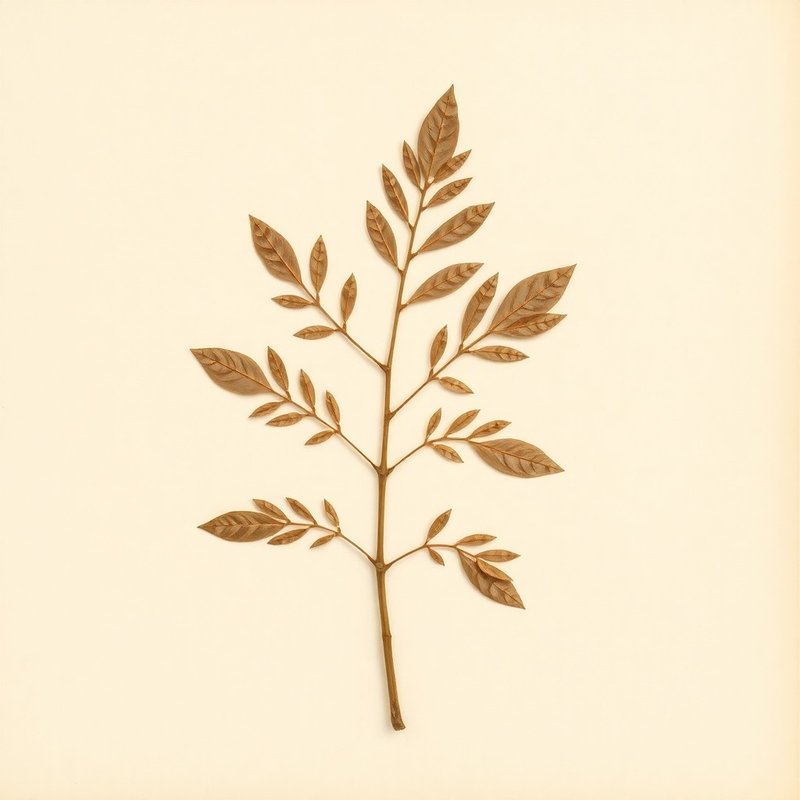
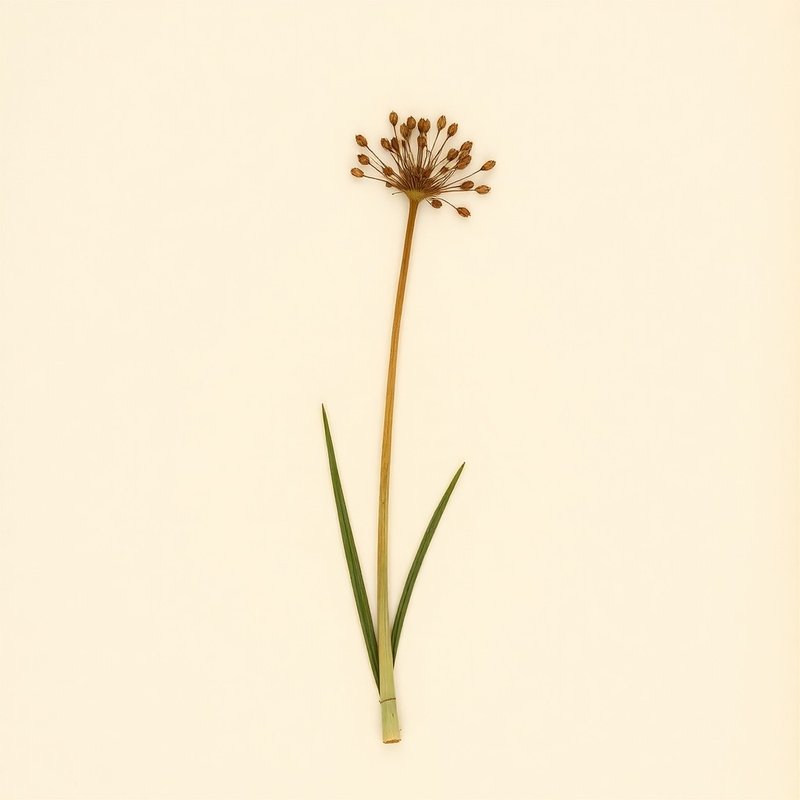
8 relatedPlants you might compare or use together — scored by shared family, common use cases, and growing requirements.

Explore further
About this entry
- Last updated
- Citation
- How to cite this entry · Submit a correction
Continue reading
Primește digest-ul săptămânal
Un email curat pe săptămână — profile noi de plante, note sezoniere de cultivare, adăugiri în arhiva de remedii. Gratuit, fără tracking, dezabonare oricând.